If you’ve ever worked in an industrial setting where expanders are a core part of operations, you’ve probably stared at a worn expander seal at some point and thought: “Can I just fix this instead of dropping a bunch of cash on a whole new one?” Let me cut to the chase: Yes, expander seals can often be repaired—if the damage isn’t so bad it’s beyond saving. And as a supplier who’s talked to dozens of maintenance managers, plant engineers, and even small factory owners, I’ll be the first to say I see way too many people tossing perfectly fixable seals just because they’re not sure what’s possible. Expander Seal
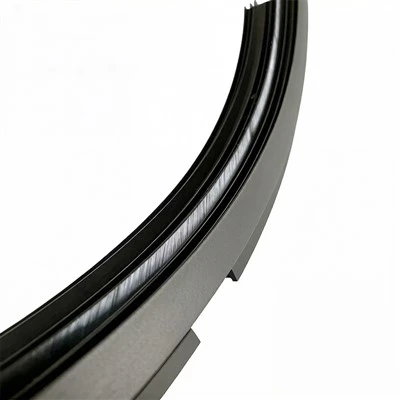
First, let’s get on the same page about what an expander seal actually does. It’s that ring-shaped part (usually made of high-grade rubber, PTFE, or metal) that fits inside an expander’s housing, creating a tight, leak-proof barrier. Expanders are used in all sorts of industries—oil and gas processing, food and beverage production, paper manufacturing, even power generation. They’re designed to handle extreme conditions: high pressure, fluctuating temperatures, corrosive fluids. So their seals take a beating.
Now, what counts as repairable damage? Not every tear or scuff is a death sentence. Common fixable issues are minor surface abrasions, small nicks (less than 10% of the seal’s cross-section, if we’re being technical), tiny cracks that don’t run all the way through, or even slight deformation from improper installation. The non-repairable stuff? Big tears, gaps that go all the way through the seal, damage to the expander’s metal core (if it has one), or corrosion that’s eaten into the structural material. If the seal was exposed to something super harsh—like chemicals that break down its base material entirely—it’s probably time for a replacement, not a fix.
Here’s where my role as a supplier comes in: I don’t just sell new expander seals. I also walk customers through repair processes when their existing seals are salvageable. Over the years, I’ve learned that a lot of people try to patch these seals themselves with random products—like epoxy or silicone sealant—and that usually backfires. Those off-the-shelf products don’t stand up to the extreme conditions expanders deal with. For example, a silicone patch might hold for a week, but then fail under high pressure, leading to unplanned downtime that costs way more than the repair would’ve.
So what’s the right way to repair an expander seal? Let’s break it down into simple, actionable steps I recommend to customers:
-
Inspect thoroughly first: Don’t just glance at it. Take the seal out, clean it with a solvent that’s safe for its material (never use something too harsh, like acetone on PTFE— it can break down the polymer). Then, check every inch. Run your fingers along the surface to feel for deep grooves or large nicks. If you’re working with a metal-reinforced seal, make sure the core isn’t bent or corroded. If in doubt, send photos or a sample to someone who knows expander seals (like me, hint hint) before you do anything else.
-
Prep the damaged area properly: If you’re fixing a small nick, you can’t just slop adhesive on it. You need to sand the area around the damage with fine-grit sandpaper (for rubber or PTFE) to create a rough surface the adhesive can grip onto. For metal parts, use a wire brush or abrasive pad to remove any rust or corrosion before applying repair material. Skipping this step is why most DIY repairs fail.
-
Use the right repair material: This is the big one. For rubber seals, use a specialty vulcanizing adhesive that’s made for the exact type of rubber your seal uses (neoprene, EPDM, etc.). For PTFE seals, you need a PTFE-compatible epoxy—regular epoxy won’t stick. For metal components, a high-temperature, corrosion-resistant epoxy is non-negotiable. I stock all these materials for customers who want to do repairs themselves, but I also offer in-house repair services because, let’s be real, not everyone has the time or tools to do it right.
-
Cure it correctly: Rushing the cure is another mistake. Follow the manufacturer’s timeline—usually 24 to 48 hours at room temperature, or longer if you’re working with high-performance materials. Don’t reinstall the seal the second it looks dry; test it by gently pressing the repaired area. If it feels soft or the adhesive isn’t fully set, give it more time. I’ve had customers call me panicking because their repair failed the next day, and 9 times out of 10, it was because they skipped the cure step.
Wait, but some people ask: Why would I repair a seal when a new one is an option? Let’s talk numbers here. A new expander seal can cost anywhere from $50 to $500, depending on size and material. A repair usually costs 20% to 50% of that, and if done right, it works just as well as a new one for 1 to 2 years. That adds up, especially if you have a fleet of expanders. Plus, downtime is expensive. If you can fix a seal in a day instead of waiting for a new one to ship, that’s thousands of dollars saved in lost production.
But here’s the catch: Repair isn’t always the answer. I had a customer last month who tried to repair a seal that had a 2-inch tear all the way through. He patched it, and it worked for a week, then burst during a high-pressure shift. His plant was down for 3 days, costing him over $100k. That’s why I always stress: When the damage is too big, or the material is too degraded, just buy a new seal. I’d rather sell a customer a high-quality new seal than have them blame me when a DIY repair goes wrong and costs them more money.
Another thing a lot of people don’t know: Some expander seals are designed to be repairable. I work with manufacturers who build seals with a repair-friendly core, like metal inserts that can be reshaped or reinforced. Those are the seals I recommend to customers who want the option to fix them down the line. It’s a small design choice, but it makes a huge difference in long-term maintenance costs.
I also get a lot of questions about environmental factors. Can I repair a seal that was exposed to oil or chemicals? It depends. If the seal just has surface contamination, a good cleaning will fix that. But if the chemicals have already softened the rubber or broken down the PTFE’s molecular structure, it’s done. You can’t bring a seal back from chemical degradation—no amount of patching will work there.

So, to circle back: Expander seals can be repaired, but only if the damage is minor, and you use the right materials and process. Don’t be that person who tosses a perfectly good seal for a new one, and don’t be that person who tries to patch a major issue with a random adhesive.
Ash Blower Seal At the end of the day, I’m here to help. Whether you need a new expander seal, advice on repairing your current one, or even a quote for bulk supplies, don’t hesitate to reach out. I’ve worked with maintenance teams big and small, and I’ve seen first-hand how a small decision about a seal can make or break a week’s production. If you’re tired of dealing with failed repairs or expensive replacement costs, let’s chat about what works for your operation.
References
- Rubber Seal Repair and Maintenance Guidelines, Industrial Sealing Association, 2022
- PTFE Seal Performance in Extreme Industrial Environments, Journal of Industrial Sealing Technology, 2021
- Cost-Benefit Analysis of Seal Repair vs. Replacement, Plant Maintenance Journal, 2023
Jiangsu Turbine Electric Power Technology Co., Ltd.
As one of the most professional expander seal manufacturers and suppliers in China, we have world-leading production equipment and strong manufacturing capabilities. Please feel free to buy advanced expander seal for sale here and get pricelist from our factory. Customized orders are welcome.
Address: Building 8, Huaqi Yungu Xuzhou Lingang Industry Accelerator, Jiawang District, Xuzhou City, Jiangsu Province
E-mail: zjh800@163.com
WebSite: https://www.cnturbine.com/
