Hey there, let’s cut to the chase: if you’ve ever spent 20 minutes wrestling a new sofa cover only to end up with lumpy armrests, gaping seams, or a cover that slips off mid-movie marathon, you’re not alone. I’ve been in the sofa cover game for the last 7 years – as a supplier, I’ve seen every mess imaginable: customers yanking covers so hard they tear fabric, tucking in cushions wrong, and giving up 10 minutes in because it “never fits right.” The good news? Putting on a sofa cover isn’t about being a contortionist – it’s about working with the fabric and your sofa, not against it. Today, I’m breaking down exactly how to get it right, no fancy tools or superhuman strength needed. Sofa Covers

First, let’s talk prep – this is the step 90% of people skip, and it’s why most covers end up looking messy. I know, unzipping the packaging and diving right in feels urgent, but taking 5 minutes to prep will save you from frustration later. Here’s what to do: first, clear off your sofa completely. That means removing every cushion, throw pillow, blanket, even that random stack of magazines you stashed on the arm (guilty). If you have removable cushion inserts, yank those out too – yes, all of them. Then, take a damp microfiber cloth and wipe down your sofa’s frame and arms. I swear by this one: even if your couch looks “clean,” there’s probably dust, pet hair, or that invisible layer of body oil that makes fabric stick weird. That stuff will stop your cover from lying smooth, so knock it off first. Next, lay your cover out on the floor (not the couch) and smooth it out. Straighten any folds, shake it a little – this helps get rid of the tight packaging creases that make it look off when you first put it on. Pro tip: if your cover has any loose strings or tags, snip those now before you get it on – you’ll only stress about them later.
Now, the fun part: putting the cover on. Wait, but let’s split this into the two most common sofa types – standard three-seaters and sectionals, because they play differently. Let’s start with standard sofas first, since that’s what most people have. Grab the cover, and first line up the back of the cover with the back of your sofa. That means the top edge of the cover (the part that goes against the wall if your couch is pushed up against it) should match the top of your sofa’s backrest. Once it’s lined up, start at the corners. This is make or break: take the top-left corner of the cover, fold a little of it over the top-left corner of the sofa’s back, then tuck that excess fabric straight down into the gap between the backrest and the seat. Do the exact same for the top-right, then the bottom-left and bottom-right back corners. Don’t pull super tight here – you want enough give so the fabric isn’t stretching, but not so loose it bunches.
Next up is the armrests, which are usually the trickiest part. Take the cover’s arm section (most of our covers have pre-shaped arm sleeves now, trust me – we designed that after 1000+ customer complaints about plain fabric). Start at the top of the arm: pull the cover’s arm over the top of your sofa’s arm, then work your way down the outside, tucking the excess fabric into the gap between the arm and the seat. For the inside of the arm (the part that faces the cushions), tuck that fabric into the gap between the backrest and seat too – this stops it from bunching up when you sit. If you have extra fabric on the arm, don’t yank it – just smooth it out and tuck a little at a time. I see so many people stretch the arm cover so tight that it pulls away from the back corner, and then they have to redo the whole thing. Take it slow.
Now, the cushions. This is another area where people mess up big time. First, if your cushion covers are removable, put those inserts back in first, zip them shut, then slide them into the sofa cover’s cushion slots. If they’re fixed (non-removable), just fluff them up like you normally would, then set them on the sofa. Here’s the key: once the cushion is on, smooth the fabric around it so there are no wrinkles. Then, take the edges of the sofa cover around the cushion and tuck them into the gap between the cushion and the seat. For example, if you have a three-seater, after the middle cushion is on, tuck the fabric on the left and right sides of that middle cushion into the gaps. This keeps the cover from shifting when you sit down, and also makes the cushions look plump, not lumpy.
Wait, but what about sectionals? Sectionals are a whole different beast, since they have two parts, usually a chaise. For sectionals, the same prep applies – clear everything off, wipe down the frames, smooth the cover on the floor. The big difference is you have to line up the two sections of the cover first. Most sectional covers have a little zipper or Velcro strip at the corner where the two parts meet – use that to connect them before you put it on. Once connected, line up the back of the cover with the back of both the main sofa and the chaise, then work your way from the back corners down to the armrests and cushions. The chaise arm is a little bigger, so take extra time to smooth that fabric – I always tell customers to use a ruler or the back of a butter knife to tuck in tight corners if their fingers aren’t enough. That works way better than yanking.
Now, let’s talk about the common mistakes I see every single week as a supplier. Number one: not letting the cover stretch a little. Fabric (even the durable, machine-washable stuff we use) has give, but if you pull it too tight, it will bunch when you sit, or even tear if it’s a stretch fabric. Number two: ignoring the packaging creases. I’ve had customers text me a photo of their cover looking like a crumpled paper bag, and half the time they didn’t shake it out first. Give it 30 seconds to relax before you start – it makes a huge difference. Number three: putting the cushions on too early. If you put cushions on before tucking the back and arm fabric, you’ll have nowhere to tuck the excess, which leads to lumps. Number four: not adjusting after 24 hours. I know this sounds weird, but fabric settles. If you put the cover on and it looks slightly off after 10 minutes, wait a day – most of the time, the fabric will relax into place. If not, you can tweak the tucks, no big deal.
Also, a quick note about fabric type, because that affects how you put the cover on. Stretch knit covers are way easier for beginners – they have a little give, so they’re more forgiving if you mess up a tuck. Microfiber and linen covers are a little stiffer, so you might need to work a corner or two a little, but they also hold their shape better once you get it on. Our cotton-blend covers are the middle ground – soft, durable, and not too stretchy. For pet owners, our water-resistant covers work a little different too: the water-resistant coating makes the fabric a bit stiffer, so take an extra minute to smooth it out after putting it on, since it doesn’t have that same give as regular cotton.
Once you’ve got the cover on, the final step is the finishing touches, which make it look like it’s custom-made. First, go around the entire sofa and smooth every single section – back, arms, cushions, sides. Then, tuck any loose fabric into the gaps, but don’t overdo it. If there are any spots that look lumpy, you can very gently pull the fabric in that direction to smooth it out, then tuck it. If your cover has ties or buttons (some of our decorative covers do), tie them loosely around the base of the sofa or the cushion edges – not too tight, just enough to hold it in place. And if you have throw pillows, match them to the cover fabric (we always recommend that to customers) and fluff them up, then set them on the corners – that hides any tiny little imperfections you might have missed.
Wait, but what if you still messed up? Don’t panic – every customer has. We have a whole support team that walks people through this over the phone all the time. And here’s a tip: if you’re doing this alone (no extra pair of hands), you can use a few heavy books to hold the corners of the cover in place while you work on the rest. Works like a charm – no need to wait for a roommate or partner to help. I’ve done this myself when I was testing covers in my living room at 10 PM, and it saved me so much time.
Let’s be real: a good sofa cover isn’t just for looks. It protects your sofa from spills, pet hair, and general wear and tear, which means you don’t have to reupholster or buy a new couch every 5 years. But a bad sofa cover? It’s a constant eyesore, slipping off, bunching, and making your whole living room look messy. That’s why we put so much work into designing our covers – pre-shaped arms, reinforced corners, easy-tuck seams – all to make this process as painless as possible.
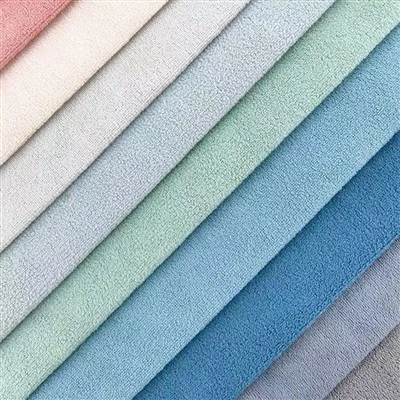
Now, if you’re looking for a sofa cover that works with this method (trust me, our covers are designed for exactly what I walked you through), or you have questions about fit, fabric, or anything else, feel free to reach out to our team for a personalized chat. We can help you pick the right size, walk you through any step, or even send you a quick video of our team putting on a cover (no fancy filming, just real people in a real warehouse). No pressure, just want to make sure you get it right.
Mat References:
- Textile Institute. (2021). Fit and Function of Upholstery Fabrics for Residential Furniture. Journal of Textile and Apparel, Technology and Management.
- Sofa Cover Industry Association. (2022). Best Practices for Installing Stretch and Woven Sofa Covers. Commercial Furniture Supply Guide.
- Consumer Reports. (2023). How to Choose and Maintain Upholstery Protective Covers for Home Use. Home & Garden Product Review.
Haining Juncheng Textile Co., Ltd.
Haining Juncheng Textile Co., Ltd. is well-known as one of the leading sofa covers manufacturers and suppliers in China, featured by our all kinds of fabric. Please feel free to wholesale high quality sofa covers made in China here from our factory.
Address: NO.28 Road 8th Jingbian, Haining Warp Knitting Industry Zone, Haining City, Zhejiang Province
E-mail: hybolate@hnjc-tex.com
WebSite: https://www.supplierfabric.com/
