Hey there! If you’ve ever shopped around for injection molding gear, you’ve probably stumbled on two main types: hydraulic and electric. I’m [Your First Name, Last Name] from the hydraulic injection molding machine side, and after 8 years of dealing with guys from plastic parts manufacturers, toy companies, medical device startups, and even big automotive brands, I can tell you that hydraulic machines still hold a ton of value for a lot of folks—even with all the flashy new electric ones out there. Let me break down the real, on-the-job advantages that don’t get talked about enough, no sales fluff, just what I’ve seen actually move the needle for customers. Hydraulic Injection Molding Machine
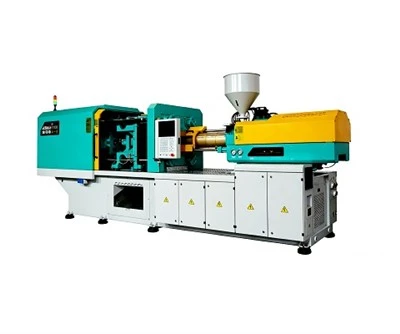
First off, let’s talk about power. If you’re running large, thick-walled parts—think big plastic pallets, bulky automotive trim, or even the base of a washing machine—you need a machine that can push with consistent, heavy force, right? I’ve had electric machine guys come to us frustrated because their electric rigs struggled to fill a 2-foot long, thick-walled bin without uneven gaps or sink marks, which meant re-molding every 50 parts. Hydraulics? That’s where they shine. Hydraulic systems generate clamping force by using pressurized oil, and the force scales way better for large clamping units—we’re talking 50 tons up to 4,000 tons easily. Unlike electric machines which rely on motors and screws that can strain under heavy, sustained pressure, hydraulic machines deliver steady, non-spiky clamping force. No more missed cycles because the machine could barely hold the mold shut when the plastic got thick and viscous. That’s not just a “nice to have”—that’s less scrap, less downtime, more parts shipped on time.
Next up, cost of ownership over the long haul. I know a lot of new buyers get drawn to electric machines because the initial sticker price is a few grand lower, and electric is louder, more power-hungry, but wait—let’s do the math that actually matters. Take our hydraulic machines: they don’t have all those tiny, precise servo motors that electric rigs are packed with. Those motors are expensive to replace when they go out, and if a component fails, you might have to wait days for a specialized part. Hydraulic parts? Most of ’em are standard, off-the-shelf—you can pick up a replacement valve or a pump at any industrial supply shop in most towns. We also use variable displacement pumps in our hydraulic machines now, not the old constant flow ones that waste energy when the machine’s idling. That cuts energy use by like 20-30% compared to outdated hydraulics, and it’s way better than electric’s hidden cost: high demand charges from utilities. A friend who runs a 24/7 plastic shop told me his electric machine’s energy bill was $1,200 a month higher than his neighbor’s hydraulic machine—same factory, same run time. That adds up to $14,400 a year, more than enough to cover the difference between the two machines in the first two years.
Then there’s flexibility for small runs and quick changeovers. Wait, I know electric machines are marketed as fast for short runs, but let’s be real—if you switch between 10 different part sizes a month, hydraulics are way more forgiving. The control systems on our modern hydraulic machines let you adjust clamping pressure, injection speed, and hold pressure super finely—like, down to 0.1 bar if you need it. If you’re molding a small medical part one week and a bulky industrial part the next, you don’t have to re-calibrate a dozen electric servos or swap out a bunch of custom parts. I had a customer last year who ran custom phone cases in the morning, then switched to large plastic storage bins by lunch. With their old electric machine, that change took 4 hours. With our hydraulic machine, they had it up and running at full speed in 45 minutes. No lost production time, no missed deadlines for their client’s big order. Also, if you need to prototype parts before committing to a big electric rig, hydraulic machines are way more flexible to tweak mid-run. Need to adjust the wall thickness? Just turn a dial, no coding required. Electric machines usually need a software update or a tech to come out, which is a pain when you’re trying to test a new design.
Wait, let’s not sleep on durability. A lot of electric machine parts are made of lightweight, precision-machined components to keep them light and fast. That’s great for high-speed small parts, but if you’re running a machine 12 hours a day, 6 days a week, those tiny parts wear out fast. Hydraulic machines? They’re built like tanks. The frames are heavy steel, the pumps are robust, and the systems are designed to handle sustained heavy use. We’ve had customers who bought our hydraulic machines 15 years ago and still run them every day—they’ve only replaced basic stuff like filters and seals, no major overhauls. I once had a guy from a automotive parts plant tell me their old electric machine died after 3 years, and the replacement cost was $80k. His hydraulic machine from us is going strong, he says, and he only does annual maintenance that costs a few hundred bucks. That kind of longevity means you’re not dropping $100k every 3 years, which is a huge plus for small to medium businesses that don’t have deep pockets.
Also, performance with high-viscosity materials. If you’re working with engineering plastics—ABS, polycarbonate, even filled plastics with glass fibers—those materials are thicker, stickier, and harder to push through the mold. Hydraulic injection systems deliver consistent, high-pressure flow that can push that thick plastic evenly into all the nooks and crannies of the mold. I’ve seen electric machines struggle with glass-filled polycarbonate; the plastic would cool too fast because the injection pressure wasn’t consistent, leading to part defects. Our hydraulic machines, with their precise pressure control, keep that plastic molten and flowing until the mold is fully filled. That means fewer rejects, higher quality parts, and less time spent reworking bad pieces. A medical device client told me this was a game-changer for them—their parts had zero porosity issues after switching from an electric machine to our hydraulic one, which meant they passed FDA inspections on the first try, no extra testing costs.
Now, let’s be real—hydraulic machines aren’t for everyone. If you’re running tiny, super high-volume parts, like 10,000 toy cars an hour, electric machines might be faster. But for 90% of the customers I work with—shops that run medium to large parts, small to medium batch sizes, mixed materials, or need consistent reliability—hydraulics are the way to go. And the best part? Modern hydraulic machines aren’t the loud, oil-leaking clunkers they were 20 years ago. We’ve designed them with sealed hydraulic systems that almost eliminate leaks, and noise levels are down to match electric machines on most models. No more oil spots on the factory floor, no more ear-splitting noise that makes workers wear double earplugs.
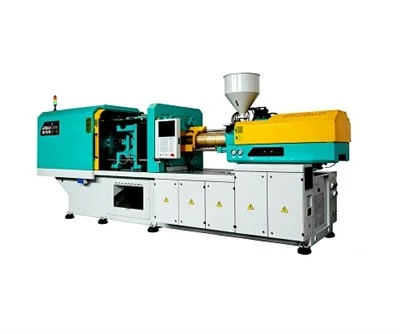
If you’re tired of scrap parts, high energy bills, constant breakdowns, or machines that can’t handle the parts you actually need to make, let’s chat. I’ve helped dozens of customers pick the right hydraulic machine for their specific needs—whether you’re a small startup making custom parts or a big plant that needs heavy-duty gear. We can walk through your current runs, talk about your production goals, and figure out a setup that works for your budget. Shoot me a message to get the ball rolling.
Cable Tie Injection Molding Machine References
- International Journal of Advanced Manufacturing Technology, "Energy Efficiency Comparison of Hydraulic and Electric Injection Molding Machines", 2021
- Society of Plastics Engineers (SPE) Annual Technical Conference, "Durability and Long-Term Cost Analysis of Injection Molding Systems", 2019
- Plastics Industry Association (PLASTICS), "Guide to Injection Molding Equipment Selection for Small to Medium Manufacturers", 2022
- Journal of Manufacturing Processes, "Clamping Force Performance in Large-Scale Injection Molding", 2020
Ningbo Ruizhan Intelligent Equipment Co., Ltd.
With abundant experience, we are one of the most reliable hydraulic injection molding machine manufacturers and suppliers in China. Please feel free to buy customized hydraulic injection molding machine made in China here from our factory. Quality products and reasonable price are available.
Address: No.491, Meidisi Road, Xincheng Village, Wuxiang Town, Yinzhou District, Ningbo, China
E-mail: aimatemachine@gmail.com
WebSite: https://www.aimatemachine.com/
