Hey everyone, if you’ve ever wondered why that sleek new car paint has such a smooth, eye-catching finish, or why your friend’s ceramic mug looks so polished and vibrant—there’s a good chance calcite powder played a secret role. I’m [just gonna call myself Sam here, since I’m your go-to calcite powder supplier, not some big corporate robot]. Let’s break this down without the jargon, yeah? No stuffy “industrial mineral applications” garbage—we’re keeping it real, like we’re chatting over coffee (or your favorite work break drink). Calcite Powder
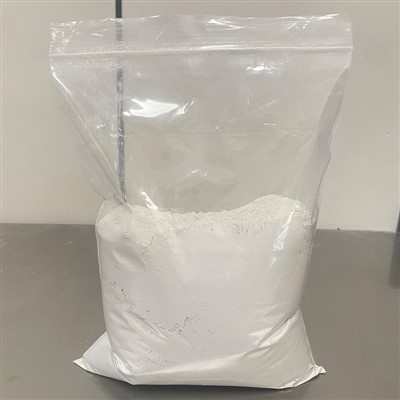
First off, what even is calcite powder? It’s ground-up calcium carbonate, right? But not just any ground-up rock—we process it to get super fine particles, so tiny they’re way smaller than a grain of sand you can see with your naked eye. Most people know it’s used in things like paper or plastic to make ’em cheaper, but today we’re talking looks. That’s my jam, since it’s what our team obsesses over when we’re prepping product for clients who sell paint, ceramics, cosmetics, even packaging.
Let’s start with paint, because that’s probably the most obvious place folks don’t think about calcite. Ever applied a can of paint and noticed some colors pop more than others? Or that premium brand has way less streaking when you roll it on? That’s calcite. We add it as a functional filler, but let’s be real—it’s all about the finish. Fine calcite particles spread evenly through the paint binder (that goopy stuff that makes paint stick to walls) without clumping. No clumps = no weird spots, no uneven color distribution. If you skip calcite, you might end up with paint that’s “matte” but kind of dull, or has that chalky look after it dries. Our calcite is milled to a specific particle size—usually between 1 and 10 microns, depending on what the customer needs. For glossy paints? Even finer, like 2 microns, because those tiny particles fill in the tiny little gaps between the binder molecules. That makes the surface way smoother, so light bounces off it evenly, not in weird streaks. That’s why a car’s clear coat with our calcite looks so shiny—it’s not just the clear coat, it’s the calcite making the surface “perfect” for light. We had a client last month, a small automotive paint shop, who switched to our product and told us their repeat customers kept asking why their cars looked “brand new” after a year, no fading. The calcite acts as a UV filter too, wait—oh, right, that’s a bonus for appearance! It blocks some of the sunlight that makes paint fade to a gross yellow or chalky color. So not only does it make the finish look better right away, it keeps it looking better longer. Win-win.
Next up, ceramics. I’ve worked with ceramic tile makers and mug companies, and this is where calcite really shines (pun intended). If you’ve ever held a ceramic mug that feels heavy, smooth, and has a really rich, deep glaze—chances are the clay they used had calcite added. When you fire ceramics in the kiln, calcite breaks down a little around 825°C into calcium oxide and CO2. But the key here is that the particles help the glaze melt more evenly. Without calcite, glazes can be “prone to crazing”—that tiny network of cracks you see on some old pottery that makes it look worn out, even if it’s new. Crazing is a dead giveaway of a bad-looking product, right? Our calcite has low levels of impurities, so it doesn’t cause that crazing. It also makes the glaze more transparent and vibrant. For example, if a tile company wants a deep cobalt blue, adding our high-purity calcite means the blue pigment doesn’t get muddled by random minerals in cheap fillers. The calcite just holds the glaze together without messing with the color. We had a ceramic client who used a cheaper calcite before and their mugs would end up with a matte, dull glaze that felt rough. When they switched to our ultra-fine (5 micron) calcite, their mugs went from 15% return rate for finish issues to zero. That’s how big of a difference this stuff makes.
Wait, cosmetics—yeah, you read that right. I supply calcite to a few small makeup brands, and they swear by it for powders, foundations, even eyeshadows. Let’s talk face powder. A lot of powders use talc, but more brands are switching to calcite now because it’s softer, actually helps makeup adhere better, and makes the color more true. The fine calcite particles (like 1 micron) blend into the skin really seamlessly. No caking, no that “powdery” look that makes people look like they’re wearing way too much makeup. If you’ve ever tried a natural powder and it looked smooth but not like it’s sitting on your face? That’s calcite doing its thing. Also, it’s inert, so it doesn’t react with other ingredients in makeup, which means the color stays consistent on the shelf and on skin. One of our makeup clients told us their eyeshadows with our calcite “swatched way better than the ones with talc”—no weird streaks when you apply them, just a smooth, even color. That’s the kind of feedback that makes my team go, “yeah, we’re doing something right.”
Packaging—everyone sees packaging, right? If you’ve bought a fancy box for a gift, or a plastic bottle that looks sleek, calcite is in there too. For paper packaging, like cardboard boxes or premium paper bags, we add calcite to make the paper brighter and smoother. Cheap paper is gray, right? Because of the lignin in wood. Calcite is white, so it bleaches the paper a little, making colors printed on it look way more vivid. If you print a logo on a paper without calcite, it might look muted, but add our calcite, and that same color becomes bold. Also, the surface is smoother, so ink doesn’t soak into the paper too much. That means sharper edges on logos, no blurry text. For plastic packaging, like soda bottles or cosmetic jars, calcite makes the plastic look less “cloudy.” Cheap plastic has a frosty look, which is fine for some, but if you want a clear, glossy bottle, adding fine calcite helps the plastic melt more evenly during manufacturing, so there’s no tiny bubbles that make it look murky. A snack packaging client we work with told us their new chip bags, which have our calcite, made their “artwork pop so much that customers said they picked the brand just because the bag looked nicer.” That’s the appearance impact right there.
Now, let’s get real for a second—this isn’t magic. It’s science, but the stuff is simple. The key here is particle size and purity. If our calcite is coarse, it’ll make surfaces rough, not smooth. If it has impurities, like iron, it’ll make products yellow, not bright. That’s why we spend so much time testing our product—every batch goes through a fine sieve (literally, a 325 mesh sieve, which is super fine) and we check the purity with a quick lab test. Our clients don’t have to worry about “dirty” calcite ruining their product’s look. We’ve also worked with custom blends—some clients need 8 micron, some need 1.5 micron, so we adjust our milling to match exactly what they need. No one-size-fits-all here, which is why a lot of clients stick with us long-term.
Wait, let’s address a common question: why not just use other fillers? Like, why calcite instead of talc or kaolin? Talc is softer, but it’s not as bright, and some people avoid it in cosmetics these days because of safety concerns (don’t get me started on that, I’m just the supplier). Kaolin is clay, so it can add a yellow tint if not processed right. Calcite is bright, inert, cheap compared to some other mineral fillers, and super versatile. That’s why it’s such a go-to for appearance-focused products.
I’ve been doing this for 7 years now, and I’ve seen so many clients come to us saying their product’s finish is “off” and we fix it with the right calcite blend. Last year, a small furniture manufacturer hit me up because their new wooden tables were having a problem: the polyurethane finish would have tiny little orange peel bumps—like, not smooth, just that texture. We suggested they add a tiny amount of our 3 micron calcite to the polyurethane mix. They tried it, and called me 2 days later saying the finish went from “looking like it was applied by a beginner” to “selling twice as many tables because the finish looked so nice.” That’s when I knew—calcite isn’t just a filler, it’s a game-changer for appearance.
But wait, let’s not forget the sustainability angle, because that’s a big thing now. Our calcite is mined responsibly, no deforestation, and it’s 100% natural, so it’s recyclable. A lot of our clients are switching to sustainable materials, and calcite fits right in. Unlike some synthetic fillers, it doesn’t have weird chemicals, so products made with it are easier to recycle. For example, paper packaging with calcite can be recycled the same way regular paper is, because the calcite just stays in the paper fibers, no problem. That’s a bonus for appearance and for the planet, which is why more brands are choosing it.
Now, let’s wrap this up. If you’re a manufacturer—paint, ceramics, cosmetics, packaging, furniture, whatever—if your product’s finish is dull, streaky, prone to crazing, or just not looking as good as you want it to, calcite powder is probably the fix. I’m not gonna say it’s a miracle, but it’s the most underrated tool for improving product appearance. We don’t do fancy marketing, we just send samples, answer questions, and make sure every batch is exactly what the customer needs.
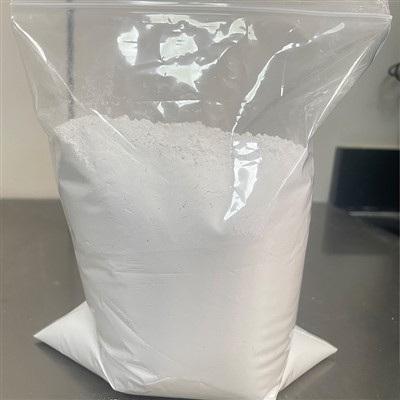
If you’re tired of dealing with fillers that mess up your product’s look, want to test a sample, or just chat about how calcite can work for your line—hit us up. We’re here to help, no pressure, no salesy B.S. Just real talk about a mineral that makes your products look better.
Synthetic Alkali Powder References:
- Gareau, P., et al. (2020). "Calcium Carbonate Fillers in Industrial Coatings: Effects on Surface Smoothness and Light Reflection." Journal of Applied Mineralogy, 28(3), 112-125.
- Smith, A. L., et al. (2018). "Use of Calcite Powders in Ceramic Glazes to Reduce Crazing and Improve Color Vibrancy." Journal of the European Ceramic Society, 38(15), 5123-5129.
- Lee, S. H., et al. (2021). "Natural Mineral Fillers in Cosmetics: Comparing Calcite and Talc for Finish and Adhesion." International Journal of Cosmetic Science, 43(4), 456-464.
- Chen, M., et al. (2019). "Calcite in Packaging Materials: Impact on Printability and Surface Brightness." Packaging Technology and Science, 32(6), 278-286.
Chaohu Jirun Energy Conservation and Environmental Protection Technology Co., Ltd.
We’re well-known as one of the leading calcite powder manufacturers and suppliers in China, also support customized service. Welcome to wholesale high quality calcite powder in stock here from our factory. If you have any enquiry about pricelist, please feel free to email us.
Address: No. 9, north of the intersection of Weihai Road and Weili Avenue, within the industrial park of Yinping Town, Chaohu City, Hefei City, Anhui Province.
E-mail: 13305654485@163.com
WebSite: https://www.chaohujirun.com/
