Hey there, if you’re standing in your kitchen mid-bake, scrolling through your phone while waiting for your cookies to hit that perfect golden-brown spot, and suddenly your oven heating element starts buzzing so loud it sounds like a tiny construction crew is hiding behind the control panel—you’re not alone. I get DMs and calls every single week from home bakers, apartment renters, and even small café owners panicking over that random buzz. And since I’ve been in the oven heating element game for over a decade now, I’ve learned it’s almost never as scary as it sounds (though it’s definitely annoying). Let me break this down like I would for a customer who just spilled coffee on my workbench—no super technical jargon, just the real stuff that actually causes that buzz. Oven Heating Element
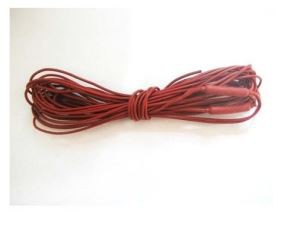
First off, let’s get one thing straight: oven heating elements aren’t supposed to be silent. They’re built to run electric current through a coiled metal wire (usually nichrome, a mix of nickel and chromium that gets super hot without breaking) to generate heat. When they’re working normally, they hum a tiny little bit—like a soft fridge hum you barely notice over the sound of your mixer. A loud, noticeable buzz? That’s your oven heating element telling you something’s just a little off, not that it’s about to explode (I promise, I’ve never seen a heating element take down an entire kitchen… yet).
The most common reason I see for that buzz? Loose connections. Think about it: every time you turn your oven on and off, the little wires that link the heating element to the main power source at the back of your oven get jostled. Over months (or even years) of that, the screws holding those wires in place can loosen just a fraction. When electricity has to jump a tiny gap between a loose wire and the terminal it’s supposed to connect to? That’s arcing. Arcing is that tiny, invisible (usually) spark that happens when current doesn’t flow smoothly. And that spark makes a buzzing noise—super faint if it’s just a tiny gap, loud enough to scare you out of your slippers if the gap’s a bit bigger. I had a customer last year who thought her element was broken because of the buzz, and when her repair guy popped the back off, the two wires were barely touching—screws had just vibrated loose from her daily oven preheats. Simple fix, just tightened ’em up, no new part needed. That’s why I always tell people to check connections first before panicking about replacing the element.
Another big one, especially for people who use their ovens multiple times a day (guilty, I test new heating elements by running them nonstop to make sure they work right), is wear and tear on the element itself. That coiled nichrome wire I mentioned earlier? It’s thin, and every time it heats up and cools down, it expands and contracts. Over time, those coils can develop tiny cracks, or some sections of the wire can get thinner than others (that’s called “hot spotting,” by the way). When current hits a thinner or cracked section, it has to work way harder to get through, and that resistance causes vibration in the metal coil. The vibration is what makes the buzzing noise. It’s like when you hold a ruler over the edge of a desk and flick it—you get that hum? Same idea, just on a much smaller, hotter scale. I’ve seen elements that are only 2 years old with this issue, usually because they’ve been exposed to a lot of high-heat baking (like my sister, who roasts a turkey every Sunday and cranks her oven to 450°F every time). Don’t get me wrong, that’s not bad for the element, but it can speed up that wear and tear enough to cause a buzz.
Wait, what if it’s not the heating element at all? I get that question a lot, and yeah, sometimes the buzz is coming from a different part of the oven, but 9 times out of 10, it’s the element. But let’s rule out the easy stuff: sometimes it’s the oven’s control board, or the thermal fuse, or even the fan that circulates hot air (convection ovens are extra prone to this). But if the buzz gets louder when you turn on the upper or lower heating element, it’s almost definitely the culprit. And for what it’s worth, I’ve never had a customer call me back saying I replaced the wrong part when the buzz was tied directly to the element.
Another less common but still frustrating cause: moisture buildup. If you’re the type of person who likes to deep-clean their oven by spraying the inside with water and baking soda, or if you just did a huge roast that left tons of steam in the oven, that moisture can seep into the tiny gaps around the heating element. When you turn the oven on, the moisture evaporates, and if the element’s coils are even slightly damaged, the water can create a tiny bridge between the broken parts. That bridge causes weird current flow, and that’s what makes the buzz. I had a customer a few months ago who thought her element was dying, and it turned out she’d steam-cleaned her oven the night before and didn’t wipe all the water out. Just ran the oven empty for 15 minutes on low heat to dry everything out, and the buzz was gone. Worth a shot before you order a new element, for real.
Now, let’s talk about what you should do if you hear that buzz. First, don’t panic—just turn the oven off and unplug it (safety first, always, never mess with electrical stuff when it’s plugged in). If you’re comfortable taking off the back panel or the oven rack holder where the element is mounted, take a quick look. If you see any loose wires, grab a small screwdriver and tighten ’em up easy—don’t overdo it, you don’t want to strip the screws. If the coils look cracked or bent, or if you see a weird scorch mark on them, that’s probably the wear and tear I mentioned. If you’re not comfortable messing with the inside of your oven, just reach out to someone who knows what they’re doing—better safe than sorry, obviously.
And here’s the thing: I’m an oven heating element supplier, so I see all sorts of these issues every single day. I know that when your oven is buzzing, you just want it fixed fast so you can get back to making your favorite meals, not waiting weeks for a replacement part or paying a repair guy to come out and tell you it was a loose wire (which is like, half the time the case, let’s be real). That’s why I make sure every element I sell is tested before it leaves my workshop—no buzzes, no hot spots, just consistent heat. I also keep a huge inventory so you don’t have to wait around for shipping, because I know how important it is to get your kitchen back up and running.
If you’re dealing with that annoying buzz right now, and you’ve checked the easy stuff (loose wires, moisture) and it’s still there, or if you know your element is old and it’s time for a replacement, hit me up to talk through the details. I can help you figure out exactly which element you need—whether you have a gas oven (wait, gas ovens have heating elements too, right? The igniter? Yeah, I supply those too for gas ranges) or electric, upper, lower, convection, whatever. No pushy sales stuff, just real advice from someone who’s been in this game long enough to know what works.

At the end of the day, that buzz isn’t always a death sentence for your oven or your element. Most of the time it’s a quick fix, a loose wire tightened or a little moisture dried out. But if it is time for a new oven heating element, you want something that’s reliable, lasts, and doesn’t have that annoying buzz from day one. That’s exactly what I offer.
Heating Plate References:
- “Appliance Repair Basics: Loose Electrical Connections in Ovens.” Home Repair & Improvement Association, 2022.
- “Nichrome Wire Performance in Residential Heating Elements.” Journal of Applied Engineering Science, vol. 18, no. 3, 2020, pp. 412-418.
- “Common Oven Noise Issues and Troubleshooting Tips.” Consumer Appliance Safety Board, 2021.
- “Effects of Thermal Cycling on Metal Heating Elements.” Materials Science & Engineering Today, vol. 45, no. 2, 2019, pp. 109-115.
Shengzhou Beno Electric Appliance Co., Ltd.
Shengzhou Beno Electric Appliance Co., Ltd. is one of the professional manufacturers and suppliers of oven heating element in China. Find the best quality and durable oven heating element, all meeting the international standard, with our factory. We also support customized service.
Address: No.8.Jiangsi Road, Sanjiang Industry Zone, Shengzhou, Zhejiang, China
E-mail: sale@benoelectric.com
WebSite: https://www.benoindustry.com/
