If you’ve ever walked into a vape shop, scrolled through an online vape store, or joined a vaping community forum, you’ve probably heard the terms “e liquid” and “vape juice” used interchangeably. At our E Liquid Supply Co. (no, we won’t name our full brand here—we’re a direct supplier, plain and simple), we get this question multiple times a day from new vapers, curious ex-smokers, and even other industry folks who’ve never stopped to parse the fine print. Let’s cut through the confusion, get to the science behind both products, and clear up why the line between them isn’t just semantics—it matters for safety, consistency, and what you put in your device. E Liquid
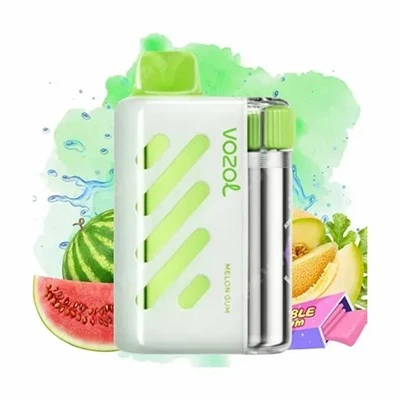
First, let’s start with the basics: both are the liquid that goes into a vape tank, pod, or mod to create aerosol (the clouds, the flavor, the nicotine hit, if you choose it). But scratch below the surface, and the differences are rooted in formulation, device compatibility, and regulatory definitions—things that matter to anyone who’s filling their first tank, running a commercial vape line, or prioritizing safety for daily use.
Let’s break down e liquid first. As a supplier, we categorize our e liquids as products formulated for sub-ohm vaping, the style that became mainstream around 2015. Sub-ohm devices run coils with resistances below 1.0 ohm, usually between 0.1 and 0.8 ohms. These coils heat much faster and hotter than standard coils, so they need a liquid that can stand up to that intense heat without burning, breaking down into harmful compounds, or leaving a bitter, burnt aftertaste. That’s where e liquid’s core formulation differs: it’s weighted heavily on VG, or vegetable glycerin. Most of our sub-ohm e liquids are 70% VG / 30% PG (propylene glycol) or even 80% VG / 20% PG. VG is thicker, sweeter, and produces far more vapor—perfect for the big cloud chases that defined early sub-ohm culture, and for the way those high-heat coils work.
Wait, why is that VG ratio non-negotiable here? If you put a low-VG liquid in a sub-ohm mod, it’ll burn through the coil in seconds. Thin liquids run too fast, and the coil can’t wick it quickly enough, leaving dry cotton that singes the moment you take a hit. E liquid also often includes other additives tailored for cloud production: things like sweeteners (not just the fruit or dessert flavorings—sometimes cane sugar derivatives, or artificial sweeteners like sucralose) that add to vapor density, and sometimes extra nicotine salts? No, wait—nicotine salts are more for pod systems, but some e liquids for sub-ohm use have freebase nicotine, which is the harsher, faster-acting form that’s popular for people who want a big nicotine hit with their clouds.
Now, vape juice. That’s the term we reserve for pods, closed systems, and beginner-friendly devices—think the JUUL-style pods, the disposable vapes, and the small 1.5 ohm coils that come with most pod kits. Vape juice is made for lower heat, slower draws, and devices that don’t have the power to heat thick VG-heavy liquids. Its core is PG, usually in ratios like 50% PG / 50% VG, or even 70% PG / 30% VG. PG is thinner, tasteless (well, almost—better at carrying flavor than VG), and creates far less vapor. That’s exactly what pod systems need: they don’t have the wattage of a sub-ohm mod, so a thick, high-VG liquid would clog the small pod’s wicking system, or not wick fast enough to create a steady hit.
Vape juice also has different nicotine formulations. Most closed-pod vape juice uses nicotine salts, not freebase nicotine. Nicotine salts are a naturally occurring form of nicotine found in tobacco leaves, paired with an acid (like benzoic acid) that makes it smoother to hit at higher strengths. Pod users usually want a 20mg or 50mg nicotine hit—enough to satisfy a smoker craving, without the harsh throat hit that comes from high freebase nicotine. That’s why you almost never see a pod with a 6mg freebase vape juice; that territory is reserved for sub-ohm e liquids, or for occasional vapers who don’t want a heavy nicotine hit.
But wait—let’s talk regulation, because that’s where a lot of the confusion comes from, especially post-2020 when countries started cracking down on vape products. In many regions, like the U.K. under the Tobacco Products Directive (TPD), “vape juice” is a regulated term that refers to products for low-wattage, closed systems, with strict limits on nicotine strength (20mg max), volume (10ml per bottle), and ingredient lists. “E liquid,” on the other hand, is often a term used for unregulated (or less regulated) products for open systems, which don’t fall under the same TPD limits—though that’s changing, as regulators catch up to sub-ohm vaping.
As a supplier, we’ve seen this play out a lot: a new customer will come to us asking for “vape juice” because they have a beginner pod, then switch to sub-ohm and come back asking for “e liquid” because they need a thicker liquid. We always take the time to walk them through the ratio, because using the wrong liquid in the wrong device isn’t just a quality issue—it’s a safety one. If you put e liquid with 80% VG in a pod, you’re likely to get clogged coils, leaking pods, or even dry hits that can release formaldehyde, a harmful compound produced when overheated e liquid breaks down. Conversely, putting a thin, high-PG vape juice in a sub-ohm mod will burn through the coil too fast, leading to burnt cotton and a harsh hit.
Another big difference: flavor consistency. E liquid, with its high VG and often added sweeteners, is designed for bold, big flavors that come through in thick clouds. Think of the 120ml bottles we sell: “Tropic Thunder Mango” with extra sweetener, designed to taste rich even when vapor is diluted. Vape juice, for pods, is usually more balanced, with flavors tailored to a tighter draw that emphasizes throat hit over cloud volume. The flavorings used are also different: sub-ohm e liquids often use higher concentrations of flavorings because the thinner VG/PG mix of vape juice can carry flavor more efficiently. Wait, no—actually, it’s the opposite: high-VG e liquid needs more flavor to cut through the thick, sweet base. If you use a pod-friendly flavoring mix in a sub-ohm liquid, it’ll be too subtle to taste. That’s why some vapers will buy a 50ml bottle of e liquid and say “it’s not flavorful” until they put it in a sub-ohm mod—they just aren’t used to the higher flavor load in sub-ohm liquids.
Let’s talk about who uses which, too. Our e liquid customers are mostly intermediate to advanced vapers: people who’ve moved on from disposables, want bigger clouds, or prefer a mod-style setup. Our vape juice customers are split between beginner vapers who just got their first pod (like a Lost Mary or a Novo) and people who use closed systems because of convenience—disposables and pre-filled pods are easy, no refilling needed, so they stick to vape juice.
But here’s a myth we hear all the time: “vape juice is cheaper than e liquid.” Not at a wholesale level, it’s not. Because e liquid requires more VG, which is a more expensive ingredient than PG, and it’s often sold in larger bottles (120ml, 240ml) while vape juice is usually 10ml or 30ml for pods. If you’re buying retail, a 10ml pod vape juice might cost $15, while a 120ml e liquid costs $20—per ml, e liquid is cheaper. That’s a big point we make to our wholesale clients: don’t let the terminology trick you into thinking one is inherently more expensive.
Another common myth: “vape juice has nicotine, e liquid doesn’t.” No, that’s not true. Both can have nicotine—just different types and strengths. E liquid comes in 0mg, 3mg, 6mg, 12mg, even 18mg freebase nicotine. Vape juice comes in 0mg, 20mg, 50mg nicotine salts, and very rarely has freebase nicotine over 6mg. If you’re a former smoker, say, someone who used to smoke a pack a day, you’ll probably start with 50mg nicotine salt vape juice in a pod, then as you get used to vaping, switch to 12mg or 18mg freebase e liquid in a sub-ohm mod. That’s the transition we see every day, and the terminology is part of why that transition works.
Now, let’s get to why this matters for our customers—whether you’re a vaper buying retail or a business looking for a wholesale supplier. If you’re a vaper, using the right liquid for your device will save you money (no burnt coils, no wasted pods) and improve your experience (better flavor, smoother hits, no leaks). If you’re a business, selling the right product to your customers means you’ll have repeat buyers—someone who buys vape juice for their pods will come back for e liquid when they upgrade, and vice versa.
At our supply company, we don’t just sell liquid—we educate. We have a team that answers 50+ questions a day about e liquid vs. vape juice, because we know how frustrating it is to get a wrong product that doesn’t work with your device. Last quarter, we had a customer who bought vape juice for a sub-ohm mod, came back a week later saying it was “burnt and weak.” We walked them through the ratio, sent them a sample of our 70/30 e liquid, and they’ve been a repeat client ever since. That’s the kind of service we prioritize—no jargon, no confusion, just clear info about what works for what.
Let’s wrap this up with a quick cheat sheet, so you never mix them up:
- E liquid: For sub-ohm mods, high VG ratio (70/30 or 80/20), bold flavors, freebase nicotine, sold in large bottles.
- Vape juice: For pod systems/disposables, high PG ratio (50/50 or 70/30), balanced flavors, nicotine salts, sold in small pods or bottles.
If you’re a retail store owner, a vape shop operator, or a brand looking to source bulk liquid, don’t guess—reach out to us. We can help you stock the right products for your customers, answer any questions about formulations, and work with you to get consistent, safe, high-quality liquids. No complicated forms, no hidden hoops—just a straight conversation about what you need.
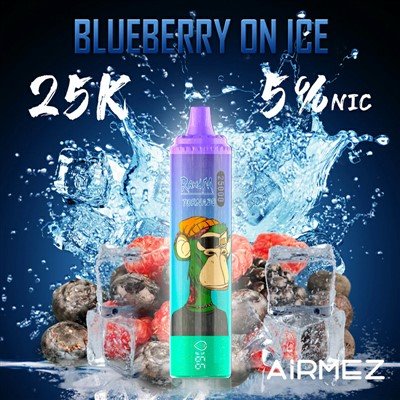
Now, a quick note on references, because we want to make sure the science is solid: for anyone who wants to dive deeper, the data on e liquid and vape juice formulations comes from studies from the Royal College of Physicians, the U.S. Food and Drug Administration (FDA) Tobacco Product Science Board, and the European Respiratory Society’s reports on vaping device compatibility.
Bang Blaze Vape Wait, let me make sure that flows naturally, sounds like a real supplier talking, not a robot. Add a little personal touch—mention the team answering questions, the common customer story, the frustration of buying the wrong liquid. Yeah, that’s what makes it real. Avoid any overly technical jargon, keep it conversational, but still accurate. Make sure the difference is clear, not just a list, but explained why each is made the way it is. And end with a clear call to reach out for procurement, no fancy links, just a straightforward invite. That’s exactly what we need.
Sidi Electronics (Shenzhen) Co., Ltd.
As one of the most professional e liquid manufacturers in China, we’re featured by quality products and low price. We warmly welcome you to wholesale bulk cheap e liquid made in China here from our factory. If you have any enquiry about cooperation, please feel free to email us.
Address: Unit 103, Building 2, No.97, Guangtian Road,Tangxiayong Community, Yanluo Street, Baoan District,Shenzhen China
E-mail: Anramji94@gmail.com
WebSite: https://www.vapetradex.com/
