Hey there, if you’ve ever shopped around for zinc labels—whether you’re marking equipment, organizing inventory, or branding your small workshop—you’ve probably stared at a catalog and thought, “Wait, is zinc labels even available in different finishes?” Short answer? Hell yeah, they are. And as someone who’s been in the zinc label supplier game for over 10 years (I started out hand-stamping tiny tags in my garage after my first construction client begged for something that didn’t rust like aluminum), I’ve seen every finish under the sun, and I can tell you there’s a reason you don’t want to skip matching the finish to your project. Let’s break this down without the stuffy engineering jargon, promise. Zinc Label
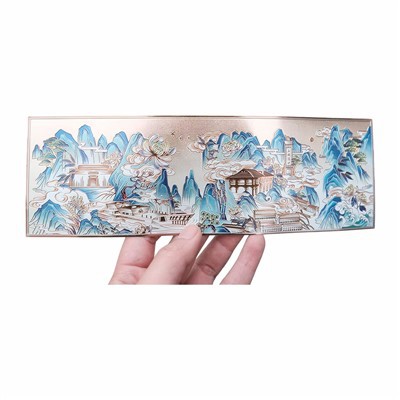
First off, let’s get one myth out of the way: some folks think zinc labels are just plain silver metal, same look every time. Nope. Zinc as a base material is super versatile because it’s soft enough to stamp and cut but hard enough to hold up to outdoor weather, harsh chemicals, or heavy machinery. The finish is basically the top coating or treatment we add to the zinc after it’s formed, and each one changes how it looks, how it holds up, and what it’s best for. I’ve had customers come to me with a project that failed because they grabbed a plain finish for a marine dock—big mistake. Saltwater eats through raw zinc like nothing. So let’s go through the main ones, talk about what works for, and when to use ‘em.
Start with the bread and butter: plain mill finish zinc. That’s the raw, straight-from-the-roll look—matte, bright silver, no coating at all. It’s cheap, no-frills, and perfect for indoor stuff where you just need a basic label that won’t get banged up too bad. I sell tons of these to small cafes for their equipment tags or to craft studios for marking their tools. But here’s the catch: leave this outside in the rain for a month, and it’ll start to form that dull, gray patina—some people call that “oxidized zinc.” If you like the rustic look, that’s actually a plus, but if you need it to stay shiny for a trade show display, mill finish isn’t your move. I once had a guy order 500 mill finish labels for his outdoor food truck menu, came back crying two weeks later because they’d turned that weird foggy gray, and customers thought his food was off. Oops. Lesson there: match the finish to where it’s going.
Next, the most popular one by far for outdoor use: clear coated zinc. This is our go-to, and I get why everyone loves it. After we cut and stamp the zinc, we blast it with a fine sand-like material to get a little texture (so the paint sticks better, but it also just makes it look less slippery) then spray on a thin, clear polyurethane coat. It’s invisible, so it doesn’t change the silver color of the zinc, but it locks out water, dust, and even mild chemicals like cleaning supplies. I’ve had these labels on a farm’s irrigation pump for 7 years, and they still look like the day I delivered ‘em. No rust, no fogging, just the same bright silver. The only downside? If you scratch the clear coat, that spot will still rust eventually. So if you’re putting labels on something that gets dragged around or hit with heavy tools, you’ll want a tougher finish.
That leads us to powder coated zinc, and this is where it gets fun. Powder coating is way thicker than clear spray—we apply a dry powder electrostatically (so it sticks evenly) then bake it in an oven until it melts into a hard, smooth finish. You can get pretty much any color you want here—black, white, red, even custom company logos in a specific Pantone shade. I did a run of royal blue powder coated labels for a luxury bike brand last year, and they looked sharp on their frames. The best part about powder coat? It’s tough. Scratches will happen, but they don’t corrode like scratched clear coat. I’ve had customers use these for warehouse equipment, construction site tools, even kid’s playground markers—stuff that takes a beating. The only thing to note: powder coat is a thicker finish, so if you’re stamping really fine text (like tiny serial numbers on electronic parts), the thick powder can make the letters look a little fuzzy. Most of our customers don’t care about that, but if you need tiny text, we’ll usually suggest a thinner finish.
Now, for people who want that vintage, worn look without waiting for it to patina naturally: antiqued zinc finish. This is my personal favorite, because it’s so versatile for branding. What we do here is apply a dark brown or black patina solution to the zinc, then wipe off the excess so it sits in the crevices of the stamped text and edges. The result is a label that looks like it’s been around for 50 years—dark lettering on a lighter silver zinc background, super easy to read, and that industrial, rustic vibe is huge right now for small businesses. I sell tons of these to breweries for their tap handles, to coffee shops for their barrel tags, even to real estate agents for their property signs. The patina is sealed with a clear coat, so it won’t rub off on your hands or clothes, which is a common worry with old-style finish work. I had a brewery owner test a batch last year, and he said he accidentally wiped a beer tap with his shirt, and none of the patina came off—win.
Wait, there’s also brushed zinc, right? A lot of people mix this up with mill finish, but no. Brushed is when we use a rotating wire brush to scratch fine lines into the zinc in one direction, so it has that sleek, subtle texture instead of the smooth mill finish. It looks really modern, not too flashy, perfect for office buildings, medical equipment, or high-end retail displays. I did a run of brushed zinc labels for a dental clinic’s tool cabinet, and the staff said they loved how they didn’t show fingerprints like smooth metal does. The downside? Brushed finish can be a little more prone to showing scratches over time, so it’s not ideal for super rugged outdoor use, but for indoor professional settings, it’s chef’s kiss.
Let me also address something I get asked all the time: “Are these finishes different from plated zinc?” No, actually. Plated zinc is when we coat a cheaper metal like steel with a thin layer of zinc to prevent rust, but that’s not what we do here. Our base is solid zinc, so the finish is a top treatment on actual zinc, not adding zinc to another metal. That’s a big difference—solid zinc labels are way more durable, especially when stamped, because the whole thing is zinc, not just a thin layer on something that can peel. I see a lot of cheap imported labels online that are plated, and they peel or rust in 6 months—our stuff is solid zinc, so the finishes hold up way better.
Now, why does this matter to you? Let’s say you’re a small business owner ordering labels for your new product line. If you’re selling outdoor gear, you want a clear coated or powder coated finish to handle rain and dirt. If you’re branding your coffee shop’s custom barrels, antiqued zinc will match that cozy, vintage vibe. If you’re marking office filing cabinets, brushed or powder coated in your brand color will look professional. I’ve had customers who ordered the wrong finish before, and it’s always a hassle—returning labels, waiting for new ones, delaying their project. That’s why I always ask clients a few questions first: where are these labels going? How much wear and tear will they get? Do you want them to look shiny, rustic, or colorful? That way I can point them to the right finish, no guesswork.
I also want to be real with you about pricing. Yeah, different finishes cost a little different, but it’s not a huge jump. Mill finish is the cheapest, obviously, since there’s no extra work. Antiqued or custom powder coat is a little more because we have to do extra steps (applying the patina, picking custom colors, testing for consistency), but it’s worth it for the look and durability. I never overcharge for finishes—this is a small business, same as most of my customers, so I keep prices fair because I want people to come back.
Wait, one last finish that’s super niche but I can’t skip: polished zinc. This is when we buff the zinc until it’s almost mirror-like, super shiny, like silver jewelry. It’s mostly used for high-end stuff—luxury watch components, trophy plates, high-end jewelry tags. It’s not for outdoor use, because scratches show way too bad, but if you want something that looks sleek and expensive, polished is the way to go. I did a run of these for a luxury watch brand last year, and they said their customers loved how the labels glinted on the display shelves.
So to circle back to the original question: are zinc labels available in different finishes? Hell yeah. From basic mill to polished, from clear coated to custom powder, from rustic antiqued to modern brushed—there’s a finish for every project, every vibe, every location. The key is matching the finish to your needs, not just picking the cheapest one. I’ve learned that after 10 years of messing up a few orders (that food truck label disaster I mentioned earlier? Still funny, not funny at the time).
If you’re not sure which finish is right for your project, just hit me up. I’ll send you samples of any finish you want, no pressure, so you can see exactly how it looks in person before you order. I’m here to help, not just take your money. Whether you need 100 labels for your home workshop or 10,000 for a big retail rollout, I can hook you up with the right zinc labels, in the right finish, at a price that won’t break the bank. Don’t waste time with cheap, imported plated labels that’ll fall apart—grab solid zinc, get the finish that works for you, and have labels that last for years.
Wait, one quick note: all the finishes I talked about here are also customizable with stamping, engraving, or even laser etching, so you can add text, logos, serial numbers—whatever you need. The finish will stay just as good, no matter how you mark the label. I’ve even had customers do QR codes etched into the clear coated labels, and they scan perfectly, no issues.
Oh, and another thing: some people ask if finishes affect how we mark the labels. For clear coat and mill finish, stamping is super easy—we just punch the text right through the metal, like stamping a credit card. For powder coat, we usually laser etch the text, because stamping can crack the thick powder coat. For antiqued, we usually stamp first, then apply the patina so it sits in the letters, making the text extra bold and easy to read. That’s a little trick we’ve refined over the years, and it makes all the difference in how the final label looks.
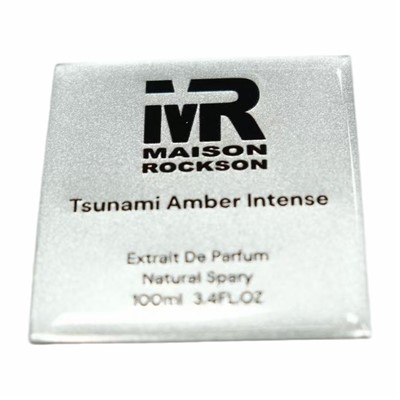
At the end of the day, zinc labels are one of the most versatile labeling options out there, and the finishes make them even better. You don’t have to settle for plain silver. Whether you want something that’s tough enough for construction, rustic for your small business, sleek for your office, or shiny for luxury goods, there’s a zinc finish that fits. If you’re ready to order, or just have questions, reach out—happy to help you figure it all out, no awkward sales pitches, just real talk about labels that work.
Aluminum Label References:
- Zinc Association. (2022). Finishing Options for Solid Zinc Components. Zinc Development Association.
- Industrial Metal Finishing Guide. (2021). Common Metal Finish Applications for Durable Labeling. Industrial Finishing Publications.
- ASTM International. (2020). Standard Guide for Selection of Metal Finishes for Outdoor Durability. ASTM International.References:
- Zinc Association. (2022). Finishing Options for Solid Zinc Components. Zinc Development Association.
- Industrial Metal Finishing Guide. (2021). Common Metal Finish Applications for Durable Labeling. Industrial Finishing Publications.
- ASTM International. (2020). Standard Guide for Selection of Metal Finishes for Outdoor Durability. ASTM International.
Guizhou Mingguan Sign Nameplate Products Co., Ltd.
We’re well-known as one of the leading zinc label manufacturers and suppliers in China. With abundant experience, we warmly welcome you to wholesale bulk customized zinc label at low price from our factory. For quotation and free sample, contact us now.
Address: Xinpu New District, Zunyi City, Guizhou Province of China
E-mail: zhangyixuanmglabel@126.com
WebSite: https://www.mingguan-label.com/
