Hey everyone, let’s talk about two of the biggest names in at-home anti aging skincare right now: peptides and retinol. If you’ve ever wandered down the serum aisle at your local drugstore or scrolled through Instagram skincare reels, you’ve definitely seen both brands hyped up as the “holy grail” to erase fine lines, plump skin, and keep that glow for longer. But here’s the thing – I run a peptide anti aging supply business, and I get so many questions from small skincare brands, estheticians, and even regular folks testing out formulations who mix these two up, wondering which one is actually better for their needs. Spoiler: there’s no one-size-fits-all, and that’s why we’re breaking this down like we’re chatting over coffee, no stuffy dermatology jargon (well, a little science is inevitable, I’ll keep it simple, promise). Anti Aging Peptide

First, let’s start with what each of these actually is, because that’s where most of the confusion stems from. Let’s do retinol first, since it’s been around longer and has way more mainstream name recognition. Retinol is a vitamin A derivative – it’s a type of retinoid, right? The funny thing is, it’s not actually a prescription-only product (though prescription ones, like tretinoin, are way stronger) – over-the-counter retinol is just a milder version your skin can absorb. How does it work? It targets collagen, the protein that keeps your skin plump and firm, and elastin, which lets your skin snap back when you smile or make a face. As we hit our mid-20s, our bodies start producing less of both, which is why fine lines pop up, skin loses its bounce, and those first faint wrinkles stick around. Retinol basically speeds up your skin’s cell turnover – it makes old, dull skin cells slough off faster, while signaling your deeper skin layers to pump out more collagen and elastin. It’s like hitting a reset button for your skin’s natural repair cycle.
Now, peptides. Full transparency: I sell peptides, so I’m biased, but I’m not going to lie about what they do. Peptides are tiny fragments of proteins, right? Think of them like the building blocks of your skin’s key proteins, but in super small, targeted pieces. For example, palmitoyl pentapeptide-4 (that’s one of the most widely used anti aging peptides) is specifically designed to trigger your skin’s fibroblasts – the cells that make collagen and elastin – to start cranking out more of those proteins. There are tons of different peptides, too, not just collagen-boosting ones. Some signal your skin to produce hyaluronic acid (the thing that holds 1,000x its weight in water, which plumps fine lines instantly), others help repair the skin barrier so you’re less prone to irritation, and some even target dark spots from sun damage. The cool part about peptides is that they’re not forcing your skin to do something it’s not already good at – they’re just giving it a nudge, like reminding a friend to pick up their socks instead of folding them for them.
Okay, now let’s get into the real differences, because that’s what everyone cares about. First up, potency and speed of results. Retinol is the faster one, no question. You might start seeing smoother texture and less faint fine lines in 4-6 weeks, whereas peptides usually take 8-12 weeks to show noticeable results. Why? Because retinol is like a strong workout for your skin – it ramps up cell turnover hard, so you see changes quicker. Peptides are more of a slow and steady, sustainable approach – they’re gentle enough that you’re not going to see big changes overnight, but the results stick around longer when you keep using them.
Next, irritation. This is the big one for a lot of people, especially those with sensitive skin. Retinol is infamous for causing retinol uglies – that phase where your skin gets dry, flaky, red, or even breaks out when you first start using it. Because it’s speeding up cell turnover so fast, it can strip the skin’s natural barrier if you don’t use it correctly, especially if you’re new to it. You have to build up tolerance, start using it 1-2 times a week, work your way up to nightly, and always pair it with sunscreen (non-negotiable with retinol, since it makes your skin more sun-sensitive). Peptides? They’re basically the nice guy of anti aging ingredients. They’re super gentle, almost everyone can use them without irritation, even people with rosacea or eczema. I’ve had small brand clients come to me because their retinol-based serum was causing their customers to email in about redness, and switching to peptide formulations cut those complaints by like 70% for most of them. No tolerance building required, no flaking, just steady improvement.
Then, target areas. Let’s break this down by what you’re actually trying to fix. If you have very visible fine lines, deep wrinkles, or sun damage that’s causing rough texture, retinol is probably going to be more effective for those hard-to-tackle issues. The prescription versions (tretinoin) are even stronger and can help with acne, too, which is a bonus for some people. But if you’re looking for something to prevent future signs of aging, boost hydration, repair your skin barrier, or have milder concerns like faint smile lines or dullness, peptides are perfect. For example, a lot of people in their late 20s to early 30s start using peptides as a preventive step before fine lines become a real issue, whereas most people wait until their 30s or 40s to add retinol into their routine (if they have sensitive skin, even later).
Another big difference: how they interact with other ingredients. Retinol doesn’t play well with a lot of stuff. You shouldn’t pair it with other harsh exfoliants like high-strength AHAs/BHAs, because that will just lead to more irritation. And, as I mentioned before, sun protection is non-negotiable – retinol breaks down in sunlight, and it makes your skin way more prone to sunburn, so skipping sunscreen while using retinol can actually cause more dark spots, which is the exact opposite of what you want. Peptides, on the other hand, are way more versatile. You can pair them with hyaluronic acid for extra plumping, with niacinamide to reduce dark spots, with AHAs/BHAs for gentle exfoliation, and they don’t make your skin more sun-sensitive. That means you don’t have to overhaul your entire routine to use peptides, which is a huge win for people who already have a skincare regimen that works for them.
Wait, let’s talk about longevity of results too. A lot of people ask, “If I stop using these, will my skin go back to how it was?” With retinol, yes, because you’re relying on the constant cell turnover it provides – if you stop, your cell cycle goes back to normal, so those lines might start to show again. With peptides, since they’re stimulating your skin’s natural collagen production, the results tend to hang around longer when you stop. Not forever, but you might not have to use them as frequently to maintain that glow and firmness, which is a plus for anyone who hates the idea of a lifetime skincare commitment.
Also, let’s address a common myth: that retinol is “better” because it’s more proven. Look, retinol has been studied for decades, that’s true – there are tons of clinical trials showing it’s effective for anti aging. But peptides aren’t just some fad ingredient. They’ve been studied too, just over a shorter period, and a lot of the latest research shows that specific peptides are just as effective as mild retinol for certain concerns, especially when it comes to collagen production. And since they’re gentler, they’re accessible to way more people who can’t use retinol at all. I work with a lot of estheticians who focus on sensitive skin, and they rely on peptides as their go-to anti aging ingredient because it’s the only thing their clients can use long-term without irritation.
Now, who should use which? Let’s make this practical, no jargon. If you: are in your 20s or 30s and want to prevent signs of aging, have sensitive skin, hate dealing with irritation, want something that works well with your existing routine – go with peptides. If you: have visible fine lines or deep wrinkles, don’t mind building tolerance, are willing to be strict about sunscreen, don’t have super sensitive skin – retinol might be the right fit for you. And here’s the best part: you don’t even have to choose! A lot of people use both, just at different times or in different products. For example, retinol at night a few times a week, peptides on the other nights, so you get the fast results of retinol without the irritation, and the sustained benefit of peptides. That’s actually a super popular formulation right now with small skincare brands, and it works way better than using either alone for a lot of people.
As someone who supplies peptide anti aging ingredients, I’ll be real with you – I love peptides, but that doesn’t mean retinol isn’t useful. The problem I see most is that big skincare brands hype retinol as the only “serious” anti aging option, making peptides sound like a weaker, inferior alternative, and that’s just not true. Peptides fill a huge gap for people who can’t use retinol, or who want a gentler, more sustainable approach. And let’s be honest, nobody wants to skip their favorite serums because they cause redness or flaking – that’s no way to stick to a routine.
Wait, let’s touch on formulation stuff too, because that’s important if you’re a brand looking to make your own products, or a consumer trying to pick the right one. Retinol is unstable – it breaks down in sunlight and air, so it has to be in opaque, airtight packaging, and you have to be careful with how you store it (don’t leave your retinol serum on the bathroom counter where it gets sunlight all day). Peptides are way more stable, so they can be in clear or amber bottles, and they don’t lose their effectiveness as easily. That’s why a lot of peptide products have longer shelf lives, which is better for both brands and consumers.
Also, let’s talk about side effects beyond irritation. Retinol can sometimes cause breakouts when you first start using it, as it speeds up cell turnover and pushes out dirt and oil from your pores. Peptides almost never cause breakouts, because they’re not stripping your pores or forcing out debris – they’re just supporting your skin from the inside. For people with acne-prone skin, peptides are a game-changer because they can help reduce inflammation (which causes acne) and boost collagen to fade post-acne marks, without making breakouts worse.
I get it, choosing an anti aging ingredient can feel overwhelming. You scroll TikTok, see one influencer saying retinol is the only way, another saying peptides are the future, and you end up more confused than when you started. The key is to match the ingredient to your skin type, your concerns, and your lifestyle. If you’re someone who travels a lot and hates remembering to be extra careful with sunscreen, peptides are easier. If you have a big event coming up in a month and want to look your best fast, retinol will give you quicker results. If you have rosacea or can’t tolerate harsh products at all, peptides are the only safe bet.
And for all the small skincare brand owners and estheticians out there reading this – if you’re looking for high-quality, pure anti aging peptides to formulate with, we’ve got you. No cutting corners, no fillers, just the ingredients that actually work for your customers. We work with brands of all sizes, from indie startups to established lines, and can help you pick the right peptides for your specific formulations, whether you’re making a serum, moisturizer, or eye cream. It’s never been easier to make a product that stands out for being gentle, effective, and inclusive for all skin types, and peptides are the perfect way to do that.
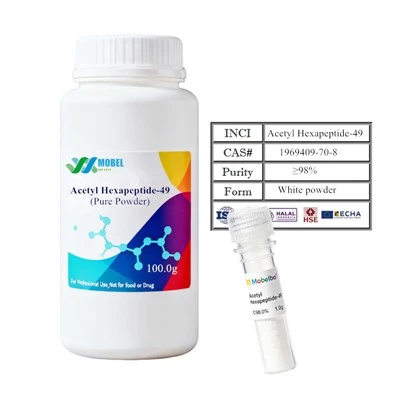
At the end of the day, both retinol and peptides have their place in anti aging skincare. There’s no winner, no “best” option – it’s about what works for your skin. The worst thing you can do is force yourself to use an ingredient that makes you uncomfortable just because it’s trendy or hyped up. If you’re curious about testing peptides (and trust me, once you find the right one, you’ll wonder why you waited so long), or if you’re a brand looking for reliable peptide suppliers, reach out to us. We’re here to help, whether you’re a consumer asking questions about our ingredients or a brand needing formulation support. Don’t overcomplicate it – your skin deserves something that works with you, not against you.
Peptide Solution References:
- Draelos ZD. Skin aging: a review of the pathophysiology and treatments. J Cosmet Dermatol. 2005;4(3):156-160.
- Kimball AB, et al. A randomized, double-blind, vehicle-controlled study of a palmitoyl pentapeptide-4 cream for the improvement of facial wrinkles. J Drugs Dermatol. 2008;7(1):49-53.
- Griffiths CE, et al. A double-blind, placebo-controlled study of the efficacy and safety of over-the-counter retinol 0.05% for photodamaged skin. Br J Dermatol. 2000;142(3):508-515.
- Farris PK. Retinol: a review of its properties, biological effects, and clinical applications. J Cosmet Laser Ther. 2006;8(1):46-53.
Mobel Biomaterials Technology Co., Ltd.
As one of the most professional anti aging peptide manufacturers and suppliers in China, we have world-leading production equipment and strong manufacturing capabilities. Please rest assured to buy bulk high quality anti aging peptide made in China here from our factory. For more cheap products, contact us now.
Address: 25 No.Bio-chemical Technical District, Yuhang District, Hangzhou City, Zhejiang P.R China 310001
E-mail: service@mobelbiochem.com
WebSite: https://www.mobelbiochem.com/
