Hey everyone, let’s cut to the chase—if you’ve ever spent an evening painting a small room, trim, or a piece of furniture, you know the drill: endless paint streaks, rolling too fast and getting drips on the floor, or those tiny details around windows that feel like they take forever. I get it, that’s exactly why we started dealing with mini paint roller machines, and if you’re in the painting game (whether you’re a pro contractor, a weekend DIYer, or someone running a small painting business), this thing’s gonna change how you work. But first, let’s answer the big question: what even is a mini paint roller machine? Mini Paint Roller Machines

Let’s start with the basics. A mini paint roller machine is a compact, portable tool designed to apply paint, stain, primer, or even specialty coatings to small or tight surfaces that full-size paint rollers and brushes just can’t handle well. Think of it like a tiny, automated version of your standard paint roller—except it’s not you sweating and doing the work. It spins a mini roller (usually 1 to 4 inches wide, way smaller than the 9-inch full-size ones) to distribute paint evenly, so you get that smooth, streak-free finish without all the mess and effort.
Wait, hold on, let’s make that clear because a lot of folks mix it up with regular mini rollers or paint sprayers. Regular mini rollers are just that—little rollers you hold by hand. You have to dip them in a paint tray, roll off the excess, and push them along the surface. That works for small jobs, but your arm gets tired after an hour, right? And if you press too hard, you get blotchy paint; press too light, and you miss spots. Paint sprayers, on the other hand, are great for big spaces, but they’re messy—you have to tape everything off, wear a respirator, and clean like crazy afterward, plus they’re overkill for tiny spots like door frames, cabinet edges, or decorative molding. Mini paint roller machines hit that perfect middle ground: portable, controlled, automated, and way less hassle than either option.
Now, let’s get into how these things actually work, because it’s not rocket science—you’ll be surprised how straightforward they are. Most mini paint roller machines have four core parts: a small motor, a roller assembly, a paint feed system, and a trigger or button to control the spinning. The motor is tiny and battery-powered (or sometimes plug-in, but battery’s way more common now for portability) so you can move it around without being tied to an outlet. The roller is attached to a spinning arm—when you turn the machine on, that arm spins the roller at a consistent, steady speed. No more worrying about how fast you roll, because the machine does that for you.
The paint feed part is what makes it different from a standard roller. Some mini machines have a small, refillable cup that holds paint—you just pour in your paint of choice, and it feeds a small amount to the roller as it spins, so you don’t have to keep dipping it in a tray every 30 seconds. Others hook up to a small paint reservoir, like a tiny bucket or a portable jug, for bigger jobs. There are even air-powered versions, but the battery-powered, cup-fed ones are the most popular right now because they’re so easy to grab and go.
Let’s be real—you’re probably wondering who actually uses these things, right? I hear that all the time from folks who see us at trade shows or pop up on our social media (we post quick reels of these things working, by the way). Let’s break down the most common use cases, because that’s where these machines shine.
First, professional painting contractors. Especially the ones who do a lot of residential work—think trim, interior doors, cabinet refacing, or accent walls. I talked to a contractor last month who used to spend 2 hours rolling a set of 10 closet doors by hand, with tons of streaks and drips that he had to go back and fix. Now he uses a mini roller machine, gets the same job done in 45 minutes, no touch-ups, and his guys don’t come home with sore arms. For pros, time is money—these machines cut down on labor time and reduce costly rework, which is a total game-changer for margins.
Then there’s DIYers and homeowners. Let’s say you’re repainting your kitchen cabinets—those tiny edges around the drawer fronts, the gaps between the cabinets and the wall, the molding along the ceiling above your upper cabinets. A brush takes forever, a regular mini roller leaves streaks, and a sprayer will get paint all over your stainless steel fridge (trust me, I’ve seen that happen). A mini paint roller machine lets you get into all those nooks and crannies with even, smooth paint, and it’s way less messy than a sprayer. I helped my cousin paint her nursery last year—she used to paint it by hand with a brush and ended up with paint on the window sill, the baseboards, and even her favorite hoodie. This machine? She got the whole accent wall and trim done in an afternoon, and the only cleanup was wiping down the roller.
Small business owners, too—like the people who do custom furniture, cabinet refacing, or even sign painting. Those small, detailed surfaces need consistent paint application, and mini roller machines let them crank out projects faster without sacrificing quality. We had a customer who restores vintage furniture—he used to spend 3 hours on a single dresser’s edges, now he does it in 45 minutes, and his finished pieces get way better reviews because the paint is so smooth.
Wait, but let’s not sugarcoat it—no tool is perfect, right? We’re in this to be honest, because that’s how you build trust with customers. Mini paint roller machines aren’t for every job. If you’re painting an entire house exterior, a full-size roller or sprayer is way faster. If you’re doing super intricate designs, like stripes or murals, a tiny brush is still better. But for those medium-to-small, tight spaces where precision matters? These things are unbeatable. Also, you have to use the right roller cover—thick, fuzzy ones work best for latex paint, while thinner, microfiber ones work for stains or oil-based coatings. We always give customers that tip when they buy from us, because using the wrong roller is the #1 mistake people make with these machines.
Now, let’s talk about why these machines have blown up in the last few years. I think a lot of it comes down to the shift in the painting industry—more pros are looking for tools that reduce strain (no more carpal tunnel from rolling all day) and speed up jobs without mess. Also, DIYers are way more hands-on now, thanks to TikTok and Instagram tutorials, so they want tools that are easy to use, not intimidating. Mini paint roller machines check both boxes: they’re simple to operate (just fill the cup, turn it on, and glide along the surface) and they don’t require a ton of setup like sprayers do.
I should also mention that not all mini paint roller machines are the same. That’s why our company focuses on making ones that are durable and user-friendly, not cheap knockoffs that break after a few uses. The market’s flooded with super cheap mini rollers that attach to a power drill, right? Wait a second—hold on, that’s not a mini paint roller machine, that’s a drill attachment. Big difference. A drill attachment is just a roller spinning on a drill, which is unsteady, you have to control the paint flow yourself, and it’s easy to get too much paint and make drips. A real mini paint roller machine has a built-in motor that controls the spin speed, a regulated paint feed, and ergonomic handles so you don’t get sore. That’s the stuff we sell, and that’s what makes the difference between a tool that saves you time and a gadget that just collects dust in your garage.
Let me tell you a quick story to drive that home. A few months back, a guy came to our warehouse holding a beat-up drill attachment, complaining that it was a waste of money—he tried painting his cabinets with it, got all kinds of drips, and his arm was killing him after an hour. We let him test one of our mini paint roller machines, and he was shocked. “This is way different,” he said. The spin speed is consistent, the paint doesn’t gush out, and the handle fits in his hand perfectly. He ended up buying two that day—one for his cabinet business, and one for his own home renovation. That’s the kind of feedback we live for.
Another thing that’s cool about these machines is how portable they are. Most are the size of a large power drill, so you can stick them in your tool belt or a small bag, no need for a big cart or truck to carry them. We’ve had contractors bring them to job sites in apartments where the elevator is tiny, or to old houses where the hallways are narrow and you can’t fit a full-size roller frame. No setup, no messy equipment, just grab it and go.
Now, if you’re wondering whether a mini paint roller machine is worth investing in, let’s break it down. For a pro: if you do 10 small jobs a month, that’s 10 less hours of labor, which adds up to thousands of dollars in savings. For a DIYer: if you do 2-3 home projects a year, the time you save (not to mention the frustration you avoid) is way worth the cost of the machine. And for small business owners, it’s a tool that helps you take on more projects without hiring extra help, which is huge for growth.
Wait, but let’s circle back to the original question, just to make sure we covered it: what is a mini paint roller machine? At the end of the day, it’s a purpose-built, compact painting tool that automates small-roller application to tight surfaces, delivering a smooth, even finish faster and with less mess than manual tools. It’s not a drill attachment, not a sprayer—it’s the middle child that solves all the problems no other tool can.
Before I wrap this up, I want to say: if you’re a pro looking to cut down on labor, a DIYer tired of streak-filled trim jobs, or a small business owner wanting to level up your painting, this is the tool for you. We’ve been supplying mini paint roller machines for years, and we help everyone from first-time users to seasoned contractors pick the right model for their needs. Whether you’re just starting out or you’ve been in the game for decades, we’re here to answer questions, offer tips, and make sure you get a machine that works for you.
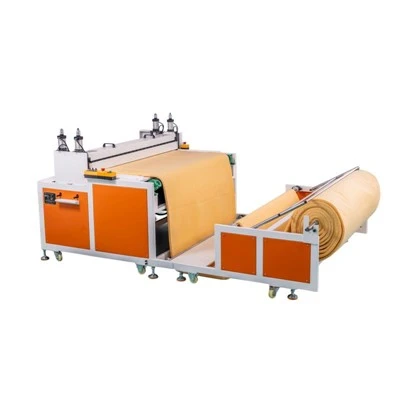
If you’re ready to chat pricing, models, or just learn more, don’t hesitate to reach out and connect with us. We’re here to help make your painting jobs easier, faster, and way less messy.
Mini Paint Roller Machines Reference:
Paint Industry Association. Modern Hand-Held Painting Tools: A Practical Guide. 2023.
Foshan Chaosheng Automation Equipment Co., Ltd.
With abundant experience, we are one of the leading manufacturers and suppliers of mini paint roller machines in China. Please feel free to buy high quality equipment made in China here and get quotation from our factory. We also accept customized orders.
Address: Room 702, Building 7, Jinteng Integrated Circuit Manufacturing Center, No. 5 Huaji Road, Siji Community, Ronggui Street, Shunde District, Foshan City, Guangdong Province, China
E-mail: shundecs@163.com
WebSite: https://www.chaosheng0086.com/
