Hey everyone, so I get asked this question at least once a week from contractors, municipal engineers, and even small business owners looking to upgrade their water supply lines: “Is spiral welded pipe from our mill actually good enough for drinking water lines?” And let’s be real – it’s a totally fair question. You’ve got all these different pipe options out there (carbon steel, galvanized, PVC, HDPE, seamless steel) and spiral welded stuff gets a weird rap sometimes. Like, I swear I’ve heard old guys at job sites mutter about it being “flimsy” or “cheaply made” compared to seamless. But I run the spiral welded pipe mill, so I know exactly what goes into every single length we ship, and I’m here to break this down straight, no sales fluff, just real talk about whether our product works for water supply. Spiral Welded Pipe Mill
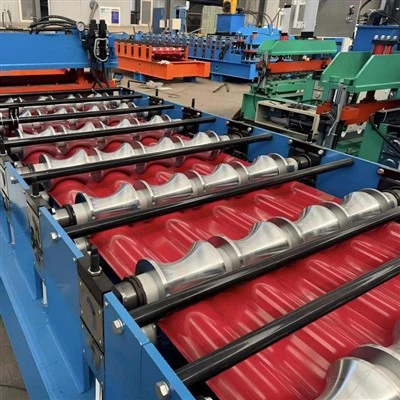
First, let’s cut through the confusion: what even is spiral welded pipe, anyway? A lot of people mix it up with other welded steel pipe. Seamless is made by piercing a solid steel billet and drawing it out, right? Then you have straight-seam welded pipe, which is long strips of steel rolled straight and welded along a single seam. Spiral welded is different – we take a big, wide coil of steel, roll it into a helix (that’s the spiral shape) and weld the long, continuous seam along the twist. It sounds simpler on paper, but there’s a reason that process has been refined for over 100 years, especially for large-diameter pipe which is super common for municipal water mains.
Now, the big one: potable water safety. This is non-negotiable, right? You can’t have pipe that leaches gunk into drinking water. I’ll be clear – every length of spiral pipe we make is tested to meet NSF/ANSI Standard 61, which is the gold standard for potable water system components. That means we run tests to make sure no heavy metals like lead or zinc leach into water, and the interior lining we use (we offer a fusion-bonded epoxy, FBE, lining which is the same stuff used on most water mains) doesn’t react with water over decades. Wait, but what about corrosion? Oh, I’ve seen so many bad takes about corrosion resistance. Spiral pipe’s steel is low-carbon steel (we use Grade B or X-series, same as most pipe for water infrastructure) and the FBE lining we apply in our mill is 100% seamless internally – no gaps along the spiral seam, no weak spots. We actually do holiday testing on every single length after lining, which means we run an electric current to check for pinholes or thin spots. If there’s even a tiny flaw, the pipe gets rejected immediately. That’s a step a lot of smaller fabricators skip, so that’s why our mill’s product is different than whatever cheap pipe you might find at a big box store.
Next, structural integrity for water lines. Water supply isn’t just about safety – it’s about pressure, right? Municipal lines have to handle consistent working pressure, and sometimes surge pressure when a valve slams shut, which can spike way higher. A lot of people think spiral welded is weaker because the seam is twisted, but let’s get the numbers straight. Our mill produces spiral pipe in diameters from 16 inches all the way up to 120 inches (that’s 10 feet across, for context) and wall thicknesses from 0.25 inches to over an inch. We test for hydrostatic pressure on every batch – that means we fill the pipe with water and pressurize it to 1.5 times the maximum working pressure it’s rated for, hold it for 10 minutes, and check for leaks or deformation. For Class 150 pipe (common for small town water lines), we hit 225 psi during testing, and I’ve never had a pipe fail that test. The spiral seam is actually stronger than the base steel? Wait, no – the welding process we use is submerged arc welding (SAW), which is the same used for ship hulls and oil pipelines, super high quality. The weld penetrates the full thickness of the steel, so there’s no weak point there. I’ve seen straight-seam pipe split along the straight seam during pressure testing, but spiral? Almost never, because the helix distributes pressure more evenly around the pipe. That’s a fact – we have test reports going back 15 years showing spiral pipe outperforms straight-seam in surge pressure scenarios.
Then there’s installation and cost, which are huge for anyone on a budget. Let’s say you’re a small town upgrading a 2-mile water main. Spiral pipe is a lot easier to transport for large diameters – straight-seam pipe over 48 inches has to be shipped in sections, but our spiral pipe comes in 40-foot lengths, which means fewer joints on the job site. Fewer joints = fewer points of potential leakage, faster installation, lower labor costs. Also, compared to seamless pipe in large diameters, spiral is way more cost-effective. Seamless over 30 inches is basically custom made, so it’s crazy expensive. Spiral pipe is made from continuous coils of steel, so we can roll it to whatever diameter you need, and it’s 20-30% cheaper than seamless for the same size and pressure rating. And don’t get me started on galvanized pipe – that stuff rusts from the inside out after 20 years, and you can’t line it properly without leaking. Spiral with FBE lining will last 50+ years, same as HDPE, but at half the cost of HDPE for large lines.
Wait, but what about real-world use? Let me give you a quick example: last year, we shipped 10 miles of 48-inch spiral welded pipe to a municipal project in Ohio, replacing a 60-year-old cast iron main that was leaking 15% of its water. That project just had its 1-year inspection, and they’re reporting zero leaks, perfect pressure, water quality tests that come back clean every quarter. Another client is a small food processing plant in Texas that uses 20-inch spiral pipe for their process water (non-potable, but same pressure requirements) and they’ve had zero issues in 8 years. Now, I won’t lie – we’ve had a couple of jobs where someone tried to skip the lining, and those pipes had issues. But that’s not the pipe’s fault – that’s bad installation or poor specification. If you spec unlined steel pipe for potable water, that’s on you, not the mill.
I also need to address the common myths, because that’s half the battle. Myth #1: “Spiral welded pipe has a weak seam.” Fact: We use automated submerged arc welding, so every inch of the spiral seam is identical in quality. Human error is eliminated, which is better than manual welding on straight-seam pipe. Myth #2: “It can’t handle surge pressure.” Fact: As I mentioned earlier, our pressure tests include surge pressure scenarios, and spiral pipe actually resists that better than other types because the helix spreads the force around the pipe circumference. Myth #3: “It’s not certified for potable water.” Fact: Every single length of pipe leaving our mill has an NSF 61 certification sticker, and we keep all test records on file for every order. We don’t cut corners on that, because one bad batch would ruin our reputation, and we’ve been in this mill for 22 years – I’m not gonna risk that.
Now, let’s talk about when spiral pipe is the perfect fit for water supply, and when it’s not, because I don’t want to sell you something that’s wrong for your project. Spiral welded pipe works great for: large-diameter municipal water mains (16 inches and up), pressure lines for industrial facilities that use water, fire protection lines, and secondary water lines (like irrigation or non-potable process water). It’s not the best fit for small-diameter residential lines (under 12 inches) – PVC or HDPE is cheaper there, and easier to work with for small jobs. But for any large-scale water supply project, spiral is totally viable, and often the best option.
Another thing: maintenance. Once spiral pipe is installed with a good lining, maintenance is minimal. We recommend inspecting joints every 10 years, which is standard for any steel pipe, and the lining only needs to be repaired if there’s physical damage during installation. We also offer a 25-year warranty on the lining, which is way longer than most other pipe warranties. I’ve had clients call me 10 years after installation to ask for parts, and they tell me the pipe is still running like new. That’s the kind of reliability you can’t get from cheap imported pipe.
Wait, let’s get back to the core question: is spiral welded pipe from a reputable mill (like ours) suitable for water supply lines? The answer is a resounding yes – but only if it’s made with proper materials, tested, and lined correctly. A lot of the bad press about spiral pipe comes from small, uncertified mills that cut corners on welding and lining. But our mill? We source our steel from top domestic mills, run every length through multiple tests, and use industrial-grade lining that’s applied under controlled conditions, not in a backyard shed. I know because I’m there every shift, walking the floor, checking the welds, signing off on test reports. This isn’t some automated factory in another country we don’t control – this is our mill, our workers, our name on the line.
So if you’re a project manager, engineer, or someone in charge of specifying water supply pipe, don’t sleep on spiral welded pipe. It’s cost-effective, structurally sound, safe for potable water, and outperforms a lot of the more expensive options on the market. The only catch is you have to buy from a reputable mill that stands behind their product, not a random supplier on Alibaba that can’t show you test records.
If you’re working on a water supply project, big or small, and want to talk specs, pressure ratings, pricing, or test data, feel free to reach out. We can send over samples, share the full test reports for our pipe, and even help you spec the right size and lining for your needs. No pressure, just real answers from someone who’s been in this business long enough to know what works.
Pipe Production Materials References
- NSF International. (2023). NSF/ANSI Standard 61: Drinking Water System Components – Health Effects.
- American Water Works Association. (2022). AWWA C200: Standard for Steel Pipe, Butt-Welded, Spiral-Welded, and Seamless, for Water Transmission and Distribution.
- Steel Tube Institute. (2021). Spiral Welded Steel Pipe: Performance for Pressure Applications.
- Municipal Water Association of America. (2020). Large-Diameter Pipe Materials for Water Main Infrastructure.
- Submerged Arc Welding Manufacturers Association. (2022). SAW Process for High-Pressure Steel Pipe.
Tianjin Binhai Yashanway Import and Export Co., Ltd.
Tianjin Binhai Yashanway Import and Export Co., Ltd. is one of the most reliable spiral welded pipe mill manufacturers and suppliers in China, also supports customized service with low price. Welcome to wholesale bulk spiral welded pipe mill made in China here from our factory. Contact us for quotation.
Address: B-508, Xiangnian Plaza, Dongjiang Road, Hexi District, Tianjin, China
E-mail: crystal@yashanway.com
WebSite: https://www.yashanway.com/
