If you’ve ever stood next to a running hydraulic pump on a construction site, a farm, or a factory floor, you might not notice the small, rubbery rings pressed tight between the pump’s cylinder block and its valve plate, or tucked into the grooves of the piston shoes. But those parts—seals—are the unsung backbone of every hydraulic system I supply. For over a decade, I’ve worked directly with contractors, equipment technicians, and plant managers who call me when their pumps seize, leak fluid, or fail to generate enough pressure, and nine times out of ten, the issue traces back to a seal that’s worn out, mis sized, or installed wrong. Let’s break down exactly what seals do in a hydraulic pump, why they matter so much, and why you should never cut corners on them when maintaining or replacing parts. Hydraulic Pump
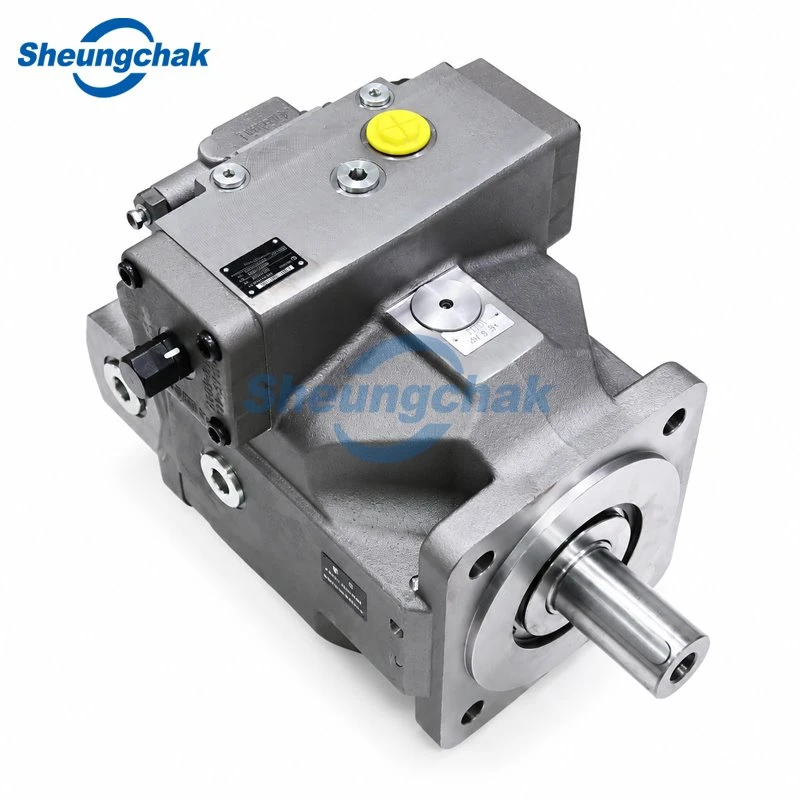
First, let’s ground this in how a basic hydraulic pump works. The whole system runs on a simple principle: it converts mechanical energy (from an engine or electric motor) into hydraulic energy, which pressurizes fluid to move heavy loads, lift cranes, or run factory machinery. Inside every common hydraulic pump—whether it’s a gear pump, vane pump, or axial piston pump—you have moving parts that slide, rotate, or press against one another. For example, in an axial piston pump, a dozen or more pistons slide in and out of their cylinder bores as the drive shaft spins. In a gear pump, two interlocking gears mesh and spin to push fluid through the housing. These moving parts have tiny gaps between them, and if fluid could slip through those gaps freely, the pump would never build enough pressure to do work. That’s where seals come in.
The most basic, non-negotiable role of a hydraulic pump seal is pressure containment. Let’s take a farm tractor’s hydraulic pump as an example. When you lift a 3,000-pound hay bale with a front-end loader, the pump has to push hydraulic fluid at pressures that can hit 3,000 psi or higher, and on larger construction pumps, that number jumps to 5,000 or 6,000 psi. Seals fill the micro-gaps between mating metal components to stop that pressurized fluid from leaking where it doesn’t belong. If a seal fails here, you get external leakage—fluid dripping onto the ground, onto hot engine parts, or soaking the machinery. That’s not just messy; it’s a safety hazard: wet hoses can slip, and fluid on construction sites creates slip-and-fall risks for crews. Even worse, internal leakage (fluid slipping past seals between pump components instead of moving through the system) makes the pump inefficient. If 10% or more of the fluid the pump moves is leaking right back into its own low-pressure side, you’re wasting energy, burning fuel or electricity faster, and the load won’t lift as fast as it should. I’ve had a client with a municipal road grader come to me last spring, frustrated that their grader’s blade lift was 20% slower than it had been, and we traced it to a $15 O-ring seal inside the pump that had let 12% of the high-pressure fluid leak internally. Replacing that seal fixed the speed issue immediately, saved them hundreds of dollars in fuel every month, and avoided a costly emergency breakdown mid-project.
But seals don’t just block fluid from leaking—they also protect the pump’s internal components from contamination, which is probably the biggest cause of premature pump failure. Hydraulic fluid is supposed to be clean, right? But no matter how careful you are, dirt, metal shavings from worn parts, moisture, or even tiny bits of seal material can find their way into the system. Seals act as a physical barrier between the pressurized, working fluid inside the pump and the outside environment, keeping those contaminants out. Think of it like a filter that moves with the pump’s moving parts: shaft seals, for example, are mounted around the drive shaft that connects the pump to the engine or motor. These seals have a flexible lip that presses tight against the spinning shaft, so dirt, dust, and water splashed on the shaft from a worksite can’t seep into the pump’s housing and scratch piston bores or gear teeth. I always tell new customers that changing their hydraulic fluid regularly is important, but replacing shaft seals every other fluid change is equally critical—one tiny dirt particle scratched into a cylinder bore can destroy a piston in a matter of weeks, and a full piston pump replacement can cost ten times more than a set of seals.
Another often-overlooked role of hydraulic pump seals is lubrication and reducing friction between moving metal parts. Wait, that might sound counterintuitive—aren’t seals supposed to stop fluid? But high-performance hydraulic seals, particularly piston shoes and cylinder block seals in axial piston pumps, are engineered to hold a thin, consistent film of hydraulic fluid between the seal lip and the mating metal surface. That film prevents metal-on-metal contact, which would cause wear, heat buildup, and eventually seizure. I’ve seen too many technicians swap out a pump’s pistons but reuse old seals, thinking the only job is to hold pressure. What they don’t realize is that new pistons have a smooth, precise finish, and a good seal will keep a tiny layer of fluid between the piston and the bore, while a worn seal will wipe that layer away, causing the piston to rub, heat up, and seize within hours. The right seal material is key here too: most heavy-duty hydraulic seals are made from polyurethane, nitrile rubber (Buna-N), or PTFE, each chosen for its ability to hold that fluid film without breaking down under pressure, temperature, or repeated movement. For pumps that run in extreme cold, for example, nitrile seals can harden and crack, so we recommend EPDM or special low-temperature polyurethane seals instead—using the wrong seal material is a fast track to failure.
It’s important to note that not all seals in a hydraulic pump are the same, and each type serves a specific role based on where it’s installed. Let’s run through the most common seals I supply, so you can see how their roles adapt to different parts of the pump. First, there are static seals, which don’t move once installed—O-rings are the most common example, used to seal the flat faces between the pump’s housing and its end caps. Their only job is to create a tight, static barrier between two stationary metal parts, so they’re simple but critical: a worn O-ring on a pump end cap can leak enough fluid to drop system pressure so low that the pump can’t run. Then there are dynamic seals, which move with the pump’s parts: shaft seals (also called lip seals) for the drive shaft, piston seals inside the cylinder bores, and valve plate seals between the cylinder block and the pump’s valve plate. These are the seals that do the most heavy lifting, moving back and forth or spinning thousands of times per minute while under pressure, so they need to be flexible, durable, and precision-machined to fit within thousandths of an inch of their mating parts. I also supply rod seals for pumps that connect to hydraulic cylinders, though technically those are part of the cylinder, not the pump, but their role is identical: contain pressure, keep contaminants out, and reduce friction.
Now, why does this matter to you, as someone who relies on a hydraulic pump to keep operations running? Seals are small, cheap parts, but they’re often the first to go when a pump is pushed hard, run with dirty fluid, or operated outside its designed parameters. I’ve had customers tell me they waited to replace a seal because it was “only leaking a little,” but that tiny leak almost always turns into a big problem. Let’s do the math: a single shaft seal replacement takes about two hours of labor, costs $30 to $50 in parts, and prevents damage that could require a full pump replacement costing thousands of dollars and days of downtime. For a construction company, a day of downtime on a road grader can cost $10,000 or more in lost productivity, not to mention penalties for missing project deadlines. For a farm, downtime during planting or harvest season can ruin an entire year’s crop. That’s why I always prioritize educating my customers about seals, not just selling them parts—knowing when to replace a seal, what type to use, and how to install it correctly saves you way more money in the long run.
Installation is another big part of a seal’s performance, and I see mistakes all the time that lead to premature seal failure. For example, when installing a piston seal, if you nicked the seal lip with a screwdriver while sliding it into the bore, that tiny scratch will cause a leak immediately, even if it’s a new, high-quality seal. Or if you use the wrong size seal—too loose, and it won’t hold pressure; too tight, and it will wear out and break within a few hundred hours of operation. That’s why I never just sell a set of seals and send a customer on their way. I include installation guides tailored to each pump model I supply, and I’m always on call to walk a technician through the process if they run into trouble. I also recommend using a seal installation tool, not a screwdriver, to avoid damaging the seal lip—those tools cost a few dollars and save you the hassle of replacing a new seal that’s already ruined.
Let’s circle back to the core question: what is the role of seals in a hydraulic pump? At their most basic, they are the guardians of pressure, efficiency, and longevity. They keep high-pressure fluid where it’s supposed to be, stop contaminants from destroying internal parts, reduce friction to prevent wear, and bridge the gap between moving metal components that would otherwise seize or leak. Without properly functioning seals, a hydraulic pump is just an expensive paperweight that can’t do the work it’s designed for.
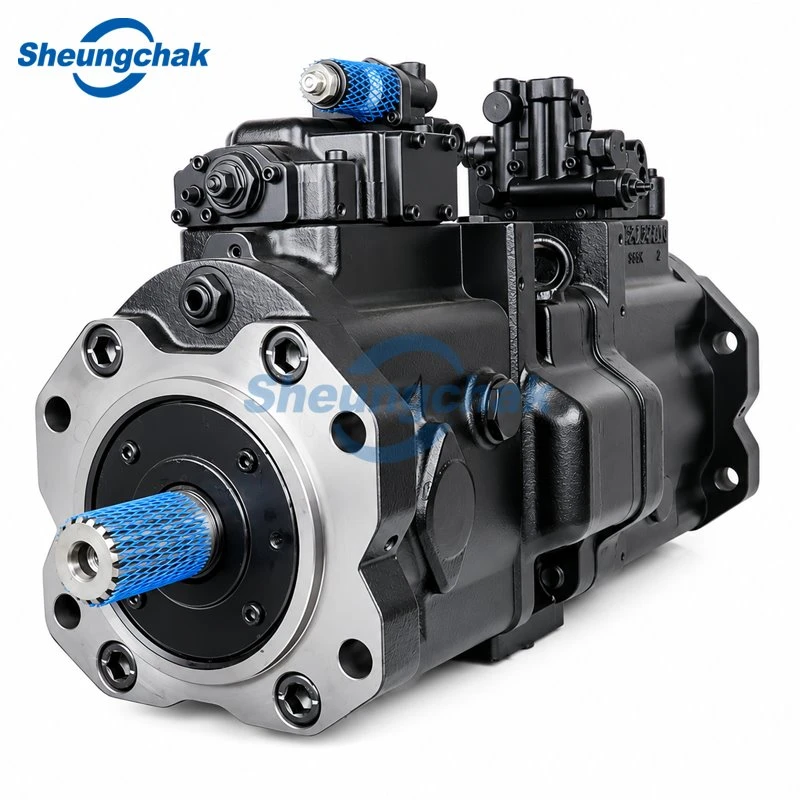
If you’re dealing with a hydraulic pump that’s leaking, running inefficiently, or failing to generate enough pressure, don’t wait for a catastrophic breakdown. Reach out to discuss your pump needs, and I can help you identify the right seals, parts, and maintenance schedule to keep your equipment running smoothly.
Hydraulic Piston Pump References:
Hydraulic Seal Technology: Design and Application, 2nd Edition. Industrial Press Inc.
Hydraulic Pump and Motor Handbook, 5th Edition. CRC Press.
NFPA T3.20.12-2017, Standard for Hydraulic Seals and Seal Systems. National Fluid Power Association.
Guangdong Sheungchak Hydraulic Technology Co., Ltd.
Guangdong Sheungchak Hydraulic Technology Co., Ltd. is one of the most professional hydraulic pump manufacturers and suppliers in China. We are committed to providing high quality customized products with competitive price. Please rest assured to wholesale durable hydraulic pump for sale here and get pricelist from our factory.
Address: Building 25, Liantang Industrial City, Shangcun Community, Gongming Subdistrict, Guangming District, Shenzhen, China
E-mail: info@hydraulicsc.com
WebSite: https://www.hydraulicsc.com/
