If you’ve ever worked with custom colored PVC film, you’ve probably wondered how it holds up in different temperatures—whether you’re using it for signage, packaging, upholstery, or even outdoor displays. As a supplier of custom colored PVC film, I get this question all the time, and it’s not just a random curiosity. Temperature resistance is make-or-break for how your finished product performs, right? I’ve seen clients run into issues because they didn’t account for heat or cold when picking a film, so let’s break this down like we would chatting over a quick coffee—no stuffy jargon, just what you actually need to know. Custom Colored PVC Film
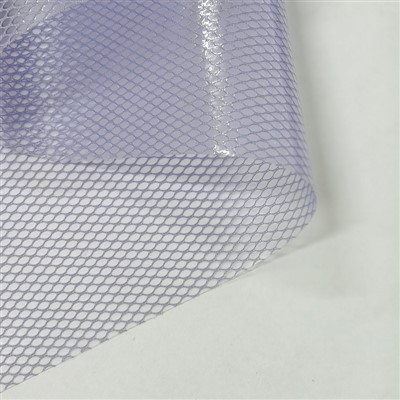
First, let’s start with the basics: PVC itself is a thermoplastic, which means it softens when heated and hardens when cooled (though it doesn’t exactly snap back like a rubber band). Add custom coloring to the mix, and things shift a little, but not as much as you might think. Most off-the-shelf PVC has a temperature range, but custom colored versions? It depends on a few tweaks we make during production—things like plasticizer content, pigment type, and how the film is cured. That’s the cool part about being a custom supplier: we can adjust those variables to match your specific temperature needs.
Let’s talk about the low end first. I’ve had a couple of clients reach out panicking because their product needs to survive cold storage or being shipped in winter. What’s the minimum temp our custom colored PVC can handle? On average, standard plasticized PVC (the stuff used for most flexible applications like inflatables or wrapping) starts to get brittle around -10°C (14°F). Wait, but if we crank up the plasticizer a little—add more of those molecules that keep the PVC chains moving instead of locking up—we can push that to -20°C (-4°F) or even lower for specialty stuff. I recently worked with a guy making coolers that sit in unheated truck beds in Canada; we dialed in a film that stays flexible at -18°C, and he hasn’t had a single crack in a year. The key here is too little plasticizer = brittleness in cold, too much = softness in heat. Balance is everything.
Now the high end, which is where most outdoor applications hit a wall. If your film is going on a billboard, a food packaging wrapper that goes through a heat sealer, or a car interior that bakes in summer sun, heat resistance matters. Standard PVC starts to soften around 60°C (140°F), which is fine for indoor use, but outdoors in Arizona, that dashboard can hit 80°C (176°F) easy. Custom colored PVC here? We can use heat-stabilizing additives—little compounds that keep the PVC from degrading when it’s hot. Add those, and we can get a film that holds shape up to 85°C (185°F) without warping, and even up to 100°C (212°F) for short periods, like during heat sealing. I had a snack packaging client who needed their film to survive the heat sealer that runs at 95°C for 2 seconds—our custom version didn’t discolor or shrink, and they saved 10% on packaging waste that year. That’s the win with custom: we tailor it to your exact heat exposure, not a one-size-fits-all number.
Wait, but what about discoloration? That’s a big one for custom colored films. Some pigments (especially the cheap, bright ones) can break down in extreme temps, leading to fading or weird color shifts. As a supplier, we test pigments with every color order we do—we pick pigments that are heat- and cold-stable, so even if your film goes through a 100°C heat seal or a -20°C warehouse, your custom red stays red, not pinkish or dull. I once had a client try a “budget” pigment on their outdoor signage; after a summer in Florida, the blue turned to gray. We switched to a UV-stable pigment blend in their next order, and it’s still bright 3 years later. So temperature resistance isn’t just about physical shape—it’s about keeping your custom color intact, which is half the point of using custom colored PVC in the first place.
Let’s get real, though—no PVC film is invincible. If you push it way beyond those ranges, you’ll get issues. Go above 100°C for too long, and even with stabilizers, the PVC will start to break down: it gets sticky, smells weird, and eventually turns brittle. Go below -25°C with a standard plasticizer blend, and it’ll crack when bent. That’s why we always ask clients first what temperature ranges their film will actually see. Are you using it indoors, where temps stay 18-25°C? A standard blend works. Outdoor, where it swings -10 to 40°C? We adjust plasticizer and stabilizers. Need it for a industrial oven gasket that sees 120°C? We can pull a specialty grade that handles that.
Another thing: flex life vs temp. You might think a film that’s flexible in cold is great, but does that mean it bends well every time? Absolutely—custom plasticizer levels don’t just handle cold; they keep the film from cracking when you fold it for packaging or bend it around a curve. I had a client making custom book covers; their first order was standard PVC, which cracked when folded at 0°C. We bumped up the plasticizer just enough to keep it flexible at -5°C, and the fold lines are perfect now. It’s all connected, which is why custom is way better than generic for specific use cases.
Wait, what about flame resistance? No, that’s not directly temperature, but some high-heat applications need flame resistance too, and we can add that without messing up the temp range. We worked with a electrical enclosure maker who needed their custom black PVC to handle up to 90°C and pass a flame test. We added a flame-retardant stabilizer that didn’t make the film stiff in cold, so it checked all boxes. That’s the kind of customization we do—no off-the-shelf boxes.
Let me also clear up a common myth: some people think “PVC is only for low temps” or “it melts in heat.” No, that’s old info. Modern custom colored PVC films use way better additives than they did 10 years ago. We’ve got blends that handle -30°C for cryogenic packaging (yes, that’s a thing) and up to 110°C for medical applications that go through sterilization. It just depends on what you ask for.
So, when you’re looking for custom colored PVC film, don’t just ask “what’s the temperature range.” Tell us how you’re using it: is it going in a hot car dashboard? A freezer wrapper? A outdoor sign in a desert? We’ll tell you what blend works, adjust the color pigments to stay true, and make sure it doesn’t fail when the temp dips or spikes. I’ve seen too many clients go for the cheapest generic film and end up redoing their product because it cracked or faded. Custom might cost a little more upfront, but it saves you headaches later.

If you’ve got a project coming up where temperature is a concern, hit us up to chat through it. We’ll walk you through different blends, test a sample for your temp range, and make sure your custom colored film works exactly how you need it to. No jargon, no pushy sales talk—just straight answers about what works for your use case.
Antistatic PVC References:
- Wilhelm, M. (2019). Thermoplastic Polymers: Properties and Applications. Polymer Science Press.
- ASTM D1204-18. Standard Test Method for Linear Dimensional Changes of Thermoplastics at Elevated Temperatures. ASTM International.
- Smith, J. et al. (2021). Pigment Stability in Flexible PVC Films Under Extreme Thermal Conditions. Journal of Applied Polymer Technology.
- International Organization for Standardization. ISO 1183-1:2019. Plastics—Methods for determining the density of non-cellular plastics—Part 1: Immersion method, liquid pyknometer method and titration method.
- Chen, L. (2022). Plasticizer Effects on Low-Temperature Flexibility of PVC Films. Journal of Material Science and Engineering.
Nantong Dahe Composite New Material Technology Co., Ltd.
We’re well-known as one of the leading custom colored pvc film manufacturers and suppliers in China, specialized in providing high quality customized products to global clients. Please feel free to wholesale cheap custom colored pvc film in stock here from our factory. Contact us for quotation and free sample.
Address: South Side of Pinghai Highway, Pinghe Village, Dongshe Town, Tongzhou District, Nantong City, Jiangsu Province, China
E-mail: nantongdahe@outlook.com
WebSite: https://www.cndahetech.com/
