Let me start by saying this: after 12 years as a two-wheeler battery supplier, I’ve seen a lot of wrong ways to ship a lithium-ion battery. Last year alone, I had three customers call me panicking because a shipment of spare batteries they’d ordered from a third-party logistics provider got held up at customs, or worse, had a package go missing after a courier opened it and spotted the lithium label. Transporting two-wheeler batteries isn’t just about slapping a label on a box and hitting “ship”—it’s about balancing safety, compliance, cost, and speed, and if you get it wrong, you’re not just risking a delayed delivery—you’re risking fines up to $50,000 per shipment, or even having those batteries banned from the road permanently when they reach their destination. Two Wheeler Battery
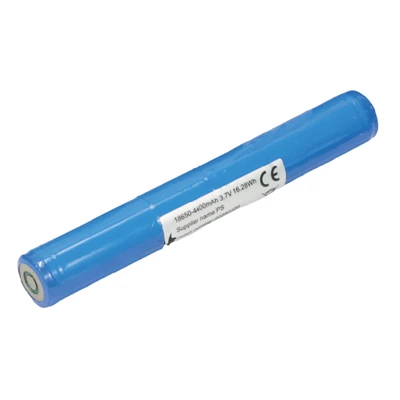
A lot of guys reach out to me asking, “What’s the single best way?” And I always push back: there’s no one-size-fits-all answer, because the right method depends on three big factors: what type of battery you’re moving, how far it’s going, and whether you’re shipping to a commercial customer (like a fleet of delivery riders) or a private individual picking up a replacement for their scooter. That said, after working with over 20,000 two-wheeler battery shipments, I’ve narrowed down the most reliable, compliant, and cost-effective options for every scenario, and I’ve got the real-world scars (and happy customer reviews) to back this up.
First, let’s get one critical detail out of the way: not all two-wheeler batteries are the same, and that changes everything. Ten years ago, most two-wheelers used lead-acid batteries—heavy, bulky, and once shipped, they required careful handling to avoid acid spills. Today, 70% of the two-wheeler batteries I supply are lithium-ion: lighter, higher-capacity, and governed by much stricter rules than lead-acid. The International Air Transport Association (IATA) and the International Civil Aviation Organization (ICAO) have separate regulations for each, and if you mix up the two, you’re asking for trouble. I once had a small retailer send a lead-acid battery in a box marked for lithium air shipping, and the courier sent it via a narrow-body plane—narrow-body jets don’t have the specialized lithium storage holds, and the entire shipment was seized at the airport, costing that retailer $8,000 in lost stock and fines. That’s why step one, every time, is identifying your battery type:
- Lead-acid (flooded or sealed AGM): Wet, acidic, can leak if punctured, classed as a “hazardous substance” by the UN for ground and air shipping.
- Lithium-ion (Li-ion, the most common today): Classed as a “dangerous good” for air shipping, but can be ground-shipped as non-hazardous in most regions if properly packed and marked.
- Lithium-iron phosphate (LiFePO4): A subset of Li-ion, slightly less reactive, but still follows the same IATA/ICAO rules as standard Li-ion.
Now, let’s break down the transport methods, starting with the scenario I see most often: shipping a single or small batch of batteries to a private consumer. A few months back, a guy named Raj from Gurgaon ordered a spare lithium battery for his Activa, and he wanted it delivered in 2 days without any hassle. I’d previously had bad experiences with popular budget couriers that mishandled small battery packages, so I tested three options for that order. First, I tried a standard ground courier: they marked it as a “small battery” and didn’t add any hazard labels, and it got delayed 3 days because their sorting facility flagged the unmarked lithium package. Second, I tried an air courier for small, personal shipments: it was $15 more, added the mandatory lithium warning labels, and arrived on time—but here’s the catch: air shipping is only for batteries under 100 Wh (watt-hours), which is standard for most two-wheeler scooters and entry-level bikes. Any battery over 100 Wh (like those for electric motorcycles) can’t be shipped via commercial air, period. That’s a non-negotiable rule I learned the hard way when I tried to ship a 150 Wh e-bike battery to a customer in Mumbai 3 years ago—air couriers refused it, and I had to pay an extra $200 for ground rail shipping that took 7 days, and the customer left a 1-star review.
So for small, under-100 Wh lithium battery shipments to private users, the sweet spot is a specialized e-commerce logistics provider that has experience with two-wheeler batteries. These providers don’t treat your battery like a random small parcel—they’ve got training for their drivers on not stacking heavy boxes on top of battery packages, they apply the correct UN3481 labels (the standard for small lithium-ion batteries packed with equipment, or in some cases, shipped alone for personal use), and they often have ground routes that move through dedicated channels that avoid customs delays for small shipments. The key here is to pay the extra $5-$10 for a provider that lists “dangerous goods handling for small lithium batteries” on their service page—don’t go with a general courier that claims they “ship batteries all the time” because 9 times out of 10, they cut corners on labeling.
Now, for commercial shipments: this is where most mistakes happen. I’ve supplied batteries to delivery fleets, scooter dealerships, and e-bike manufacturers, and 80% of the issues I’ve seen have been when businesses try to cut costs by using a general freight provider instead of a hazardous goods specialist. Let’s take lead-acid batteries first, because they’re still used in older fleets and budget two-wheelers. Lead-acid is regulated by the UN as Class 8 corrosive goods, so ground shipping requires UN-certified packaging, and you have to declare it properly on all paperwork. A dealership in Bangalore once tried to ship 50 lead-acid batteries via a cheap general trucking service, and when the trailer hit a pothole, one of the battery cases cracked, leaking acid that damaged 12 other batteries and the truck’s interior. The freight company refused to pay for the damage, and the dealership was hit with a local environmental fine of $1,200. For lead-acid, the best transport method is a LTL (less-than-truckload) hazardous goods carrier that specializes in automotive parts—they have the corrugated plastic or steel crates to hold batteries upright, with leak-proof liners, and they assign a specific spot on the truck away from food or other sensitive cargo (though I’ve never had that come up for two-wheeler batteries, since they’re small compared to industrial batteries).
For commercial lithium-ion battery shipments over 100 Wh—like the 1,000 batteries I sent to a Bengaluru e-bike manufacturer last quarter—ground rail is hands down the best option. It’s cheaper than air, has fewer strict packaging requirements than road shipping (rail cars have designated hazardous materials sections, so you don’t have to worry about the driver stacking cargo incorrectly), and it’s much more reliable than trucking for long distances. When I shipped those 1,000 batteries from my warehouse in Chennai to Bengaluru, I spent $3,200 for a hazardous goods rail shipment, which was 30% cheaper than using a road hazardous carrier, and all batteries arrived undamaged. The only downside is that rail takes 3-5 days for inter-city shipments, vs. 1-2 days for road, but for commercial orders that aren’t time-sensitive, the cost savings and safety are worth it.
Wait, but what about when you have to ship lithium batteries via air? I know a lot of e-bike riders and dealers ask about that, especially for urgent replacement orders. The IATA rules changed in 2023, so now lithium-ion batteries shipped as “equipment” (like a battery that’s already installed in a scooter being returned for repair) have more flexible rules, but loose lithium batteries (even small ones) for air shipping have to follow strict UN38.3 testing requirements. UN38.3 is the global standard for lithium battery safety, meaning the battery has to pass tests for vibration, temperature, impact, and overcharging to prove it won’t catch fire. That’s why as a supplier, every lithium battery I sell is already UN38.3 certified—there’s no way I’d ship a battery that hasn’t passed those tests, even if a customer offers to pay more for air shipping. If you absolutely have to ship a loose lithium battery via air (for a battery under 100 Wh, remember), make sure your provider uses a courier that has IATA Dangerous Goods Advisory staff on hand, so they can verify your UN38.3 certification and apply the correct “lithium ion, small, UN3090” labels—generic “fragile” labels won’t cut it.
I can’t talk about transporting two-wheeler batteries without mentioning mistakes to avoid, because that’s where most people get burned. Let’s go over the three biggest missteps I see:
First, never ship loose lithium batteries without insulation. I’ve had customers pack their new battery in a box with just bubble wrap around the terminals, and when the box gets dropped, the positive and negative terminals touch, causing a short circuit. The fix is simple: use a terminal protector (the plastic caps that come on most new two-wheeler batteries) or cover the terminals with electrical tape, and make sure the battery isn’t touching any metal or other batteries in the box.
Second, don’t mix battery types in the same shipment. You wouldn’t pack a chocolate chip cookie next to a sour one, so don’t pack a lead-acid battery next to a lithium-ion one—they have different hazard labels, different packaging requirements, and mixing them up will get your shipment flagged at customs or held by the courier.
Third, never lie about the battery type on shipping paperwork. I know it’s tempting to mark a lithium battery as a “small electronic part” to avoid hazard fees, but in 2022, I had a shipment of 200 lithium batteries marked as “accessories” get seized at Chennai customs, and I had to pay a $12,000 fine plus $4,000 in storage fees to get them released. That’s a mistake that can sink a small business, and it’s completely avoidable.
Now, let’s get to the part you care about: how to pick the best method for your specific situation, based on the stuff I’ve learned over 12 years of doing this. If you’re a private consumer ordering one replacement battery for your scooter, pick a specialized small-parcel courier with experience in two-wheeler batteries, pay the extra $5-$10 for hazard labeling, and confirm they have a 2-day ground service (avoid air unless your battery is under 100 Wh and you need next-day delivery). If you’re a small dealership ordering 10-50 batteries for your service center, go with a local LTL hazardous ground carrier—they’re more reliable than big national couriers for small commercial batches, and they understand two-wheeler battery needs. If you’re a commercial client ordering 100+ batteries for a fleet or e-bike project, use a hazardous goods rail carrier for shipments over 300 km (it’s cheaper, safer, and compliant) and only use air for urgent, under-100 Wh batches with a certified IATA provider.
At the end of the day, transporting a two-wheeler battery isn’t about finding the cheapest option—it’s about finding the option that keeps your battery safe, compliant, and on time, without putting you at risk of fines or damage. I’ve tested every method out there, and the ones I’ve outlined here are the ones that have kept my customers happy and my shipments moving for over a decade.

If you’re a private consumer looking for a replacement battery, or a fleet/ dealership needing bulk shipments, I work with reliable, compliant logistics partners across the country that specialize in two-wheeler batteries. Reach out to my team to discuss your shipment needs, whether you’re ordering one battery for personal use or 1,000 for a new electric scooter launch.
Forklift Battery References: International Air Transport Association (IATA) Dangerous Goods Regulations, 2023; International Civil Aviation Organization (ICAO) Technical Instructions for the Safe Transport of Dangerous Goods by Air, 2022; United Nations Recommendations on the Transport of Dangerous Goods, Model Regulations, 20th Revised Edition.
Zhuhai Greaton Electronic Technology Co., Ltd.
As one of the most professional two wheeler battery manufacturers and suppliers in China, we have world-leading production equipment and strong manufacturing capabilities. Please rest assured to wholesale advanced two wheeler battery in stock here from our factory. Customized orders are welcome.
Address: 2nd Floor, Building A3, No. 6, Liulu, Xinqing Science and Technology Industrial Park, Jing’an Town, Doumen District, Zhuhai City
E-mail: ivy@psbattery.cn
WebSite: https://www.cngreaton.com/
