Let me cut to the chase – I’m a passenger lifts supplier, and this is one of the most common questions I get from architects, building owners, and even casual visitors scrolling through our product catalog: Are there passenger lifts with panoramic views?
I get it. When you’re designing a 60-story skyscrape in a downtown business district, or a boutique hotel perched on a cliffside with views of the ocean, or even a modern art museum where every architectural detail is intentional, a boring, box-like lift that only shows the back of a shaft feels like a missed opportunity. For a long time, the answer was a frustrating “sort of” – but that’s changed a lot in the last 10 years, and I’ve installed enough of these lifts to speak from experience about what works, what doesn’t, and why it’s not just a gimmick. Passenger Lifts

First, let’s dispel a myth right away: Panoramic passenger lifts aren’t the same as the glass elevators you see in small mall food courts or a tourist spot at the base of a mountain. Those are usually low-speed, low-capacity, and built for novelty rather than regular use in commercial or multi-residential buildings. The panoramic lifts we supply are engineered for the same load requirements, safety standards, and speed expectations as any standard passenger lift – think 1,600kg capacity for 21 people, top speeds of 1.6m/s for mid-rise buildings, and 2.5m/s for skyscrapers – plus they have full 360-degree or partial glass enclosures that put the outside view front and center.
The biggest challenge here isn’t the glass itself – it’s making that glass strong enough. If you’ve ever stood next to a standard lift shaft wall, you’d be shocked at how much force that structure has to withstand: wind pressure at height, the weight of the lift cab itself and its load, even the sway of a skyscraper in a strong breeze. Early panoramic lifts tried to use regular glass, and we saw too many issues: cracks from temperature swings, stress fractures from wind, and even condensation that fogged the panels so badly the view was useless within a year. Now, all our panoramic lifts use laminated tempered glass – specifically, double-glazed, low-iron laminated glass. Low-iron is key here because regular glass has a green tint that distorts views, especially for long stretches; low-iron glass is almost clear, so you don’t get that weird, muddy look when you’re lifting past 50 floors. We also specify a polyvinyl butyral (PVB) layer between the glass panels, which holds the shards together if the glass ever breaks – a non-negotiable for passenger safety.
Another factor people forget: the lift cab’s structure. Panoramic lifts can’t have the solid steel back walls that standard lifts use to hold the cab’s frame. That means we have to reinforce the aluminum or steel framing around the glass panels to keep the cab rigid, even at high speeds. Last year, we installed a panoramic lift in a 45-story residential tower in Miami, where hurricane winds are a regular concern. The cab’s frame was engineered to withstand 120mph wind speeds, and the glass panels are rated for impact from flying debris – no small feat. We test every panoramic lift before installation with load tests up to 125% of its capacity, plus dynamic tests to simulate wind and speed, to make sure it’s safe for daily use, not just for a photo op.
Now, where do these lifts make the most sense? I’ve seen them work perfectly in three types of spaces, and I’ve seen them flop in others. First, skyscraper observation decks or mixed-use towers where the lift ride is part of the attraction. A few years back, we installed a pair of panoramic lifts in a 52-story office building in Chicago, where the top floor has a public sky lounge. Tenants and visitors alike take the lift just for the view – instead of hiding the lift in the core of the building, we positioned it along the west facade, with unobstructed views of Lake Michigan and the city’s skyline. The building’s occupancy rate went up 8% the year after installation, and property managers told us tenants specifically chose offices near the lift because of the view. Second, boutique hotels and resorts, especially those with scenic locations. A client of ours in Costa Rica wanted a panoramic lift that runs along the side of their cliffside resort, so guests can watch the Pacific Ocean as they move between the ground floor and the oceanfront villas. We customized the lift to have a slightly slower speed (1.2m/s instead of 1.6m/s) so guests have time to take photos and enjoy the view, and added a small handrail that’s polished to match the tropical decor – no cold, industrial steel here. Third, cultural institutions, where the lift is part of the building’s narrative. We installed a panoramic lift in a modern art museum in Berlin, where the architects wanted visitors to see the building’s garden and surrounding neighborhood as they move between exhibition spaces, instead of being enclosed. The glass panels are even etched with subtle art motifs, so the view blends with the museum’s interior, not just hangs on the side.
I’ve also had clients ask about putting panoramic lifts in mid-rise office buildings or apartment complexes, and that’s where I push back a little. If a building only has 10 floors, a panoramic lift is way more expensive than a standard lift, and the view is limited to a few blocks, not a skyline or ocean. It doesn’t add enough value for the cost, and you might end up with a lift that’s a conversation piece but not a functional part of the building’s daily use. We always do a site visit and a cost-benefit analysis before quoting a panoramic lift – no hard sells, just practical advice.
Another common question: Are panoramic lifts as reliable as standard lifts? The short answer is yes, but they have a few extra maintenance needs. The glass panels need to be cleaned regularly (we recommend monthly, or every two weeks for coastal buildings where salt build-up can scratch the glass) – standard lifts only need interior cleaning every few months. Also, the seals around the glass can wear out faster than solid walls if not maintained, leading to condensation inside the double-glazed panels. That’s why we include a 24/7 maintenance service with every panoramic lift we install – our technicians are trained to inspect the glass seals, adjust the frame, and clean the panels without scratching them, so you don’t have to worry about the view fading over time. I’ve had clients call me at 7 a.m. on a Saturday because the condensation on their panoramic lift’s glass was so bad guests complained, and we had a technician there by 10 a.m. – that’s the kind of service you don’t get from cheap, overseas lift suppliers.
Let’s talk about safety, because that’s the part no one talks about enough. Panoramic lifts have the same safety features as standard lifts: emergency brakes, over-load sensors, fire mode that takes the lift to the nearest floor, and a backup power supply. But because the walls are glass, we add extra features: anti-slip floor mats (no slipping if the glass gets foggy, even if someone spills a drink), handrails that run along all four walls, and emergency call buttons that are visible from any angle inside the cab. We also install tinted film on the lower third of the glass panels, so kids or people with a fear of heights don’t feel like they’re falling when the lift is on a high floor. I’ve seen too many panoramic lifts that skip that, and we had a client in New York where a group of kids refused to ride the lift because the glass felt too exposed – that’s a simple fix, but it matters for passenger comfort.
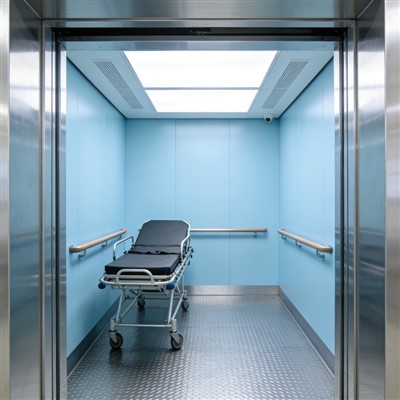
So circling back to the original question: Are there passenger lifts with panoramic views? Absolutely – and they’re not just a gimmick anymore. The technology has come a long way in the last 10 years, and as a supplier, I’ve installed them in buildings all over the world, from small resorts to 60-story skyscrapers, and they add real value: higher occupancy, happier guests, better tenant retention.
Panoramic Elevator If you’re an architect designing a new building, a property manager looking to update an old lift, or a resort owner wanting to give guests a unique experience, let’s talk. Whether you’re wondering if a panoramic lift fits your budget, need help with design, or just want to see photos of installations we’ve done, we can work together to create a lift that’s safe, functional, and gives your passengers a view they won’t forget.
References
- Elevator World, “Panoramic Elevators: Design, Engineering, and Installation Best Practices,” 2022.
- American Society of Mechanical Engineers (ASME), “Safety Standard for Elevators and Escalators (A17.1-2020),” 2020.
- International Code Council (ICC), “International Building Code (IBC) 2021, Chapter 30: Elevators and Conveying Systems,” 2021.
- Glass Magazine, “Low-Iron Laminated Glass for Architectural Elevator Applications,” Vol. 45, No. 3, 2021.
- National Elevator Industry, Inc. (NEII), “2023 Market Report: Panoramic Elevator Adoption in Commercial and Residential Buildings,” 2023.
Weibo Elevator Co., Ltd.
We’re well-known as one of the leading passenger lifts manufacturers and suppliers in China, specialized in providing high quality custom service for global clients. We warmly welcome you to buy high-grade passenger lifts at competitive price from our factory.
Address: Dongxiang Road, Nanxun Economic Development District, Huzhou City, Zhejiang Province, China
E-mail: zoey@webstar.net.cn
WebSite: https://www.webstar-elevators.com/
