Hey folks, if you’re part of the industrial power space, you’ve definitely heard how transformers are the unsung heroes keeping factories, commercial buildings, and even small businesses running—until a random power surge blows your whole setup. That’s where surge protectors (yep, the ones we stock as part of our other transformer accessories line) come in, and installing ’em right isn’t just a good call—it’s a must to keep your gear from going up in smoke. I’ve been in the transformer accessories game for 7 years now, working with installers, plant managers, and even DIY folks who’ve messed up surge installs and regretted it. Today, I’m breaking down how to hook these bad boys up correctly, no jargon, no overcomplicating stuff. Other Transformer Accessories

First, let’s cut the fluff: a surge protector isn’t just a add-on you slap on after your transformer is set. It’s a critical line of defense, especially when paired with our other transformer accessories (we’re talking bushings, tap changers, and voltage regulators that work hand in hand with surge units). I’ve seen installers skip key steps because they thought “surge is surge,” but trust me—size and placement make all the difference. Let’s start with pre-install prep, because half the problems happen before you even touch a wrench.
Step 1: Do your homework before buying anything (and that includes picking the right surge protector from our stock). First, check your transformer’s specs: primary voltage, secondary voltage, and the maximum surge current it can handle. A lot of people grab a generic surge protector because it’s cheap, but if it can’t match your transformer’s rating, it’s useless. For example, if you’ve got a 480V primary transformer, you don’t want a 240V surge unit—those will fry instantly. Also, figure out if you need a metal-oxide varistor (MOV) type or a gas discharge tube (GDT) surge protector. MOVs are better for fast, small surges (like from a lightning strike close by), while GDTs handle bigger, longer surges from utility grid issues. Our other transformer accessories include both types, so just hit us up if you’re not sure which fits your setup.
Wait, before you even pick a unit, check the site’s environment. Is it outdoor? Humid? Dusty? If it’s outside, you need a surge protector rated for NEMA 3R or higher—otherwise, rain or dust will ruin it in a year. I had a customer last year who bought an indoor surge unit for his outdoor transformer, and it failed 6 months later. Total waste of cash. That’s the kind of mistake we see all the time, so we always remind folks to match the protector to their space, even if it means grabbing a slightly pricier unit from our inventory.
Next, prep the work area. Turn off the main power to the transformer—duh, safety first. I’ve had new techs skip this step and get shocked, which is no joke. Lock out the power too, so no one accidentally flips it back on while you’re working. Grab your tools: wire cutters, a torque wrench (super important, don’t skip this), electrical tape, and a multimeter to test for power before you start. Also, make sure you’ve got enough wire to run from the transformer’s primary terminals to the surge protector—don’t stretch it tight, that can cause voltage drop and weaken the connection.
Step 2: Map the placement. This is where most installers go wrong. The surge protector needs to sit as close to the transformer’s primary side as possible. Why? Because surges travel fast, and if you put it 10 feet away on the secondary line, the surge can already damage the transformer before it reaches the protector. I’ve seen guys stick surge units on the secondary distribution panel, and when a lightning hit came through, the transformer’s insulation broke down. The rule of thumb is: within 3 feet of the transformer’s primary terminals, ideally. If you’re dealing with a big industrial transformer, you can go up to 5 feet max, but any further and you’re wasting its protection.
Also, don’t mount it in a tight, enclosed space without ventilation. Surge protectors generate a little heat when they kick in, and trapping that heat can shorten their lifespan. We include mounting brackets with our other transformer accessories, so use ’em to put the unit on a flat, open wall or stand near the transformer, not tucked in a corner. If you’re in a coastal area with salt air, get a corrosion-resistant housing—another thing we stock as part of our line.
Step 3: The actual installation, step by step. Let’s keep this simple, no fancy tricks. First, connect the surge protector’s input wires to the transformer’s primary terminals. Use wire nuts or compression connectors—don’t just twist them together, that’ll cause a loose connection and over time, arcing. And here’s a pro tip: leave a little slack in the wires so if you need to replace the surge protector later, you don’t have to re-run whole cables.
Next, connect the ground wire. This is the most important part—if the ground isn’t good, the surge protector won’t work at all. The ground wire needs to be thick enough (at least 12 AWG for residential, 6 AWG for industrial) and connected to a proper ground rod, not a random pipe or fence. I’ve seen grounds hooked to a water line, and when a surge came, it arced through the pipe and burned out a bunch of other equipment. Use a ground clamp designed for electrical work, and torque it to the manufacturer’s specs (usually around 20 lb-ft for residential, 50 lb-ft for industrial). Our other transformer accessories include high-quality ground clamps, so you don’t have to source them elsewhere.
Then, connect the output wires from the surge protector to the next part of your setup—whether that’s a distribution panel or another transformer accessory. Double-check all connections, then turn the power back on slowly. Use your multimeter to test the voltage at the surge protector’s input and output to make sure it’s within the correct range. If the output is way lower than it should be, you’ve got a loose wire or a bad connection, so turn the power back off and fix it before it causes issues.
Wait, another thing: if you’re installing multiple surge protectors (like for a three-phase transformer, which is super common in industrial settings), wire them in parallel with each phase, not series. Series wiring means the surge has to go through both units, which can cause voltage drop, while parallel means each phase has its own protector, so they work independently. I’ve seen guys wire them in series and complain their power is always wonky—this fixes that fast.
Step 4: Post-install checks and maintenance. Installing the surge protector isn’t the end—you gotta keep it working. We tell all our customers to inspect the unit every 6 months, especially after a big storm. Look for cracked housing, loose connections, or any discoloration around the terminals—that’s a sign the protector has absorbed a surge and needs to be replaced. Most surge protectors last 3-5 years, but if you live in a lightning-heavy area, they might go faster.
Also, make sure you’re not overloading the surge protector. Don’t plug in too many other accessories (like extra lights or machinery) into the output of the surge unit— that can make it work harder than it’s designed for, shortening its lifespan. Our other transformer accessories are tested to work with our surge protectors, so if you’re mixing brands, you might run into compatibility issues. Stick to our line, and you’ll avoid that headache.
I want to mention a common myth: some people think surge protectors can fix a faulty transformer. No way—they’re a defense, not a repair. If your transformer already has old insulation or is acting up, a surge protector can’t save it. But if you’ve got a good transformer, a properly installed surge protector will extend its life by years. I had a customer a few years back who had a transformer last 12 years after installing our surge units, whereas his old setup only lasted 4— that’s the difference.
Now, let’s talk about when to call in a pro. If you’re working with a big industrial transformer (over 100 kVA) or you’re not comfortable with electrical work, don’t mess around—call a licensed electrician. They’ll know how to match the surge protector to your transformer and site, and they’ll make sure the ground is up to code. But if you’ve got a small commercial or residential transformer, and you’re familiar with basic electrical work, you can totally do this yourself—just follow these steps, and double-check everything.
Our other transformer accessories complement these surge protectors perfectly. We stock all the parts you need: mounting brackets, ground clamps, voltage testers, and even maintenance kits to keep your surge units in good shape. We’ve been in the game for years, so we know what works and what doesn’t, and we’re here to help if you’ve got questions. If you’re not sure which surge protector fits your transformer, or if you need tips on pairing it with other accessories, just reach out to our team—we’re always happy to walk you through it.
Let’s wrap this up: installing surge protectors as part of your other transformer accessories doesn’t have to be complicated. The key steps are: do your pre-install homework (match specs, check your environment), place the protector as close to the transformer as possible, get the connections right (especially the ground), and maintain it regularly. Skip the cheap generic units, don’t cut corners on installation, and you’ll save yourself thousands in repair costs down the line.
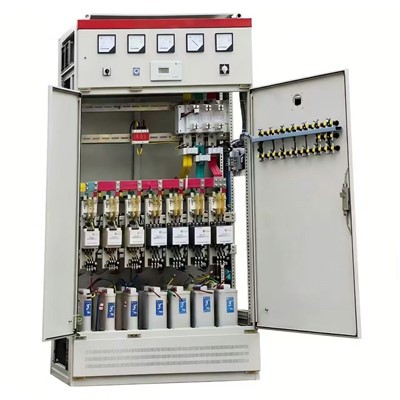
If you’re ready to order surge protectors or want more info on our other transformer accessories, just get in touch with our procurement team—we’ll hook you up with exactly what you need, no hidden fees, and we’ll make sure you get the right parts for your setup. Don’t wait until a surge ruins your gear—act now to protect your investment.
Dry Type Transformer References
- IEEE Std C62.2-2019, Standard for Surge Arresters for Alternating Current Power Systems, 2019.
- National Electrical Code (NEC) Article 280, Surge Protective Devices, 2023 Edition.
- Transformer Accessories Selection Guide, Electrical Construction and Maintenance Magazine, 2022.
Jiangsu Yuantong Electric Co., Ltd.
As one of the most experienced transformer accessories manufacturers and suppliers in China, we also support customized service. Please rest assured to wholesale bulk high quality transformer accessories in stock here from our factory. Contact us for more details.
Address: No. 202, Qiaogang Road, Xicheng Subdistrict, Hai’an City
E-mail: Trey@jsytelectric.com
WebSite: https://www.jsytelectric.com/
