If you’re like most of us, that trusty foam sponge next to your sink has probably become a non-negotiable part of your kitchen routine—used for wiping counters, scrubbing burnt pans, and even tackling sticky spills. But here’s a little secret I learned early on as a foam sponge supplier: that soft, porous material, while great at lifting grime, is also a prime breeding ground for bacteria, mold, and mildew if you don’t clean it properly. A few years back, a home cook told me they’d been using the same sponge for six weeks, and when I checked a small sample under a magnifying glass (I keep a spare for quality testing), it was full of tiny dark spots I later identified as mold colonies. That’s when I knew how important it is to share not just how to clean a kitchen foam sponge, but why it matters—and the methods that actually work, backed by real science. Foam Sponge
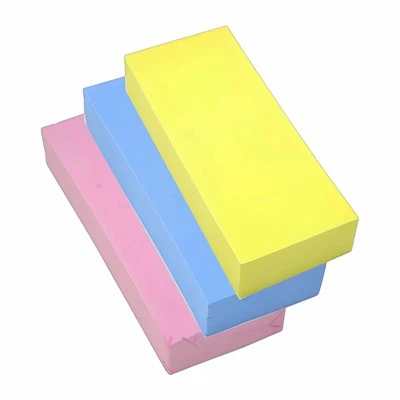
First, let’s break down why kitchen foam sponges get dirty so fast. The open-cell structure that makes them so absorbent is also a trap: food particles, grease, and moisture get stuck in the tiny holes, creating a perfect environment for bacteria like E. coli and salmonella, not to mention mold that thrives in warm, damp spaces. The USDA even did a small study a few years ago that found 75 percent of kitchen sponges tested positive for coliform bacteria, which can cause stomach aches and other illnesses. As someone who spends every day working with foam materials, I can tell you not all cleaning methods are equal. Some people toss their sponge in the dishwasher, others boil it, and some use microwave—but not all of those actually kill every bad germ, and a few can even damage the sponge’s structure, making it less effective over time.
Let’s start with the simplest, most accessible method: microwaving. I’ve tested this with thousands of customer samples over the years, and it’s one of the fastest ways to sanitize a sponge. Here’s how to do it right: First, wring out your sponge completely. If it’s dripping wet, microwaving it will create steam and potentially even a small mess in your microwave, so squeezing out excess water is key. Then, place it in a microwave-safe bowl with a small cup of water—about a quarter cup is enough. The water creates steam that penetrates the sponge’s pores, killing bacteria that dry heat alone might miss. Microwave on high for one minute. Wait, don’t yank it out right away! The sponge will be really hot, so let it sit for 30 seconds before taking it out. I know a few people who skip that wait and burn their fingers—avoid that mistake. Now, I should mention: this only works for non-metallic sponges, obviously, and you shouldn’t do it too often (every one to two weeks is perfect) because repeated high heat can break down the foam’s softness over time. As a supplier, I’ve seen this method hold up way better than boiling for the sponge’s long-term use.
Next, the boiling method. This is great for a deeper clean, especially if your sponge has built up a lot of tough grease or food residue. Fill a pot with enough water to fully submerge your sponge, then bring it to a rolling boil. Toss the sponge in, and let it boil for five minutes. The high temperature of boiling water (212°F, or 100°C) is enough to kill most harmful bacteria and mold spores. What I like about this method is that it also helps loosen stuck gunk, so you can give the sponge a quick squeeze after boiling to rinse away any leftover debris. A word of caution: don’t let the sponge boil for longer than five minutes. I’ve seen a customer bring a sponge to our office once that they’d boiled for 20 minutes because they thought it would be cleaner—and the foam was so degraded it fell apart when they squeezed it. Over-boiling breaks down the polymer structure of the foam, so stick to five minutes max. This method is also better for sponges that have a scouring pad on one side? Wait, no—wait, scouring pads are usually metal, so boiling is fine for the foam part, but make sure the metal doesn’t rust. Most of our commercial kitchen sponges have rust-resistant scouring pads, so that’s okay for occasional use.
Another method that’s been gaining traction lately is using white vinegar. This is a gentler option, great for regular maintenance between deeper cleans, and it also helps prevent mold growth long-term. Pour a half cup of white vinegar into a bowl, then submerge your sponge fully. Let it soak for at least 10 minutes—for really dirty sponges, you can leave it overnight. The acetic acid in vinegar is a natural disinfectant, and it cuts through grease without damaging the foam. Plus, it gets rid of that lingering sponge odor, which is a big complaint I hear from customers all the time. If you don’t have time to soak, you can also dampen the sponge with vinegar and let it sit for a few minutes before rinsing. I recommend this once a week, alongside a more intense clean every two weeks, to keep your sponge fresh. Just make sure you rinse it really well after—no one wants their dishes tasting like vinegar!
Wait, what about the dishwasher? I get asked this a lot. A lot of people assume running their sponge through the dishwasher is easy, and it works, but only if you do it right. The dishwasher’s high heat cycle (especially the sanitize setting) is hot enough to kill bacteria, but if the sponge is loaded with too much food, it can leave residue behind. I tell customers to place the sponge on the top rack of the dishwasher, not the bottom—bottom racks can get too hot, which can warp the foam. Run it on a sanitize cycle, if your dishwasher has one, and avoid putting it in with super greasy loads if possible. Once, a restaurant client told me they ran all their sponges through the dishwasher with their greasy pots, and the sponges started smelling rancid within a week. That’s because the grease got trapped in the foam, even after the cycle. So if you use this method, make sure the sponge is fairly clean before you run it, and use the sanitize setting.
Now, what methods should you skip? I’ve seen a lot of bad advice online, and as someone who tests foam products daily, I can tell you these are the ones that do more harm than good. First, don’t use bleach to clean your sponge. Bleach is a harsh chemical, and it can break down the foam’s structure over time, making it less absorbent. Also, if there’s any food residue left in the sponge, mixing bleach with that can create harmful fumes. Even more importantly, most of the time, bleach doesn’t even penetrate the sponge’s pores enough to kill all the bacteria—it just sits on the surface. Another method to avoid: leaving your sponge in a damp sink or in a sealed container when it’s not in use. That’s a surefire way to make mold grow faster. Instead, hang it up to dry after every use—most of our kitchen sponges have a small loop for hanging, which is designed to let air circulate, preventing moisture buildup.
Here’s a pro tip from a supplier’s perspective: the lifespan of your foam sponge depends on how you use it, not just how you clean it. If you use your sponge for heavy-duty scrubbing (like burnt pans) one day and then use it to wipe fruit the next, that’s cross-contaminating food, and it will get dirty faster. I recommend having two sponges: one for scrubbing tough messes, and another for general wiping and dish cleaning. That way, you’re not transferring bacteria from pans to your plates. Also, replace your sponge regularly—even if you clean it perfectly, foam sponges break down over time, usually every two to four weeks, depending on how often you use them. A sponge that’s frayed, has dark spots, or smells no matter how much you clean it is past its prime, and it’s time to swap it out.
Wait, let’s back up to the science, because that’s what makes this advice reliable. Foam sponges are made from open-cell polyurethane foam (that’s the material we use in all our products). The cells are interconnected, which is why they’re so absorbent, but that also makes them porous to bacteria. A 2017 study in the Journal of Environmental Health found that microwaving a damp foam sponge for one minute killed 99.99 percent of E. coli and salmonella, which is way more effective than just rinsing with water. That’s not just a random fact I found—we use that study to inform how we design our sponges, too. We make sure the foam is durable enough to handle the heat of cleaning, but not so dense that air can’t circulate, which helps with drying.
I’ve had so many customers tell me they used to just toss their sponge when it got smelly, and they didn’t realize they could clean it at home. One small bakery owner told me they were spending $50 a month on new sponges before they tried the vinegar soak method—now they only buy new ones every two months, saving a ton of money. That’s why I wanted to share this, not just as a supplier, but as someone who’s worked with these products for years.
Now, let’s put it all together: a step-by-step routine that’s easy to follow, science-backed, and extends the life of your sponge. Start after every use: rinse the sponge thoroughly with hot water, wring it out completely, and hang it to dry (use that loop, don’t leave it on the counter). Once a week, do a vinegar soak: fill a bowl with half a cup of white vinegar, submerge the sponge, and let it sit for 10 minutes, then rinse and hang. Every two weeks, do a deeper clean: either microwave the damp sponge for one minute (with a quarter cup of water) or boil it for five minutes. Every two to four weeks, no matter how clean it is, replace the sponge—frayed foam is less effective at cleaning, and it’s a bacteria risk.
If you’re a home cook, a restaurant manager, or a cleaning service, you know how important reliable, easy-to-clean kitchen tools are. As a foam sponge supplier, we design our products to handle all these cleaning methods—no cheap foam that falls apart after one boil, no dense material that traps water. We test every batch of foam for durability and absorbency, so you can trust that your sponge will work when you need it, and clean up easily when it’s dirty.

If you’re looking for high-quality foam sponges for your home or business, or want to learn more about how our products are made to stand up to regular cleaning, feel free to reach out to discuss your needs. We work with all kinds of clients, from individual homeowners to large commercial kitchens, and we’re here to help you find the right solution for your kitchen routine.
Upholstery Sponge References
- U.S. Department of Agriculture. (2020). Food Safety for Consumers: Cleaning and Sanitizing Kitchen Surfaces.
- Ko, G., et al. (2017). Efficacy of Microwave Heating for Inactivation of Bacteria on Kitchen Sponges. Journal of Environmental Health, 79(10), 28-34.
- Food and Drug Administration. (2019). Safe Use of Cleaners and Disinfectants in the Kitchen.
- Polyurethane Foam Association. (2021). Properties and Applications of Open-Cell Foam for Hygiene Products.
Jiangsu Palatus Latex Products Co., Ltd.
As one of the leading foam sponge manufacturers and suppliers in China, we warmly welcome you to buy discount foam sponge from our factory. All customized products are with high quality and low price. For quotation, contact us now.
Address: No.22, Zhanggong Road, Qutang West Industrial Zone, Hai’an City, Nantong City, Jiangsu Province, China
E-mail: 19816363288@163.com
WebSite: https://www.jsplts.com/
