If you’re working in precision manufacturing or metal finishing, you already know that vortex finishing machines are a workhorse—they deliver consistent deburring, edge radiusing, and surface smoothing to parts across aerospace, automotive, medical, and hardware industries. But one detail that’s easy to overlook after the finishing cycle ends: how you transport those parts from the machine to their next step (whether that’s inspection, assembly, packaging, or shipment) can undo hours of careful, costly work. As a supplier of vortex finishing machines, I’ve seen far too many customers run into avoidable issues here—parts marred by scratches, burrs reattaching, or contamination from improper transport. Let’s break down the science and practical steps to get your finished parts from the machine to the next phase without ruining their finish. Vortex Finishing Machine
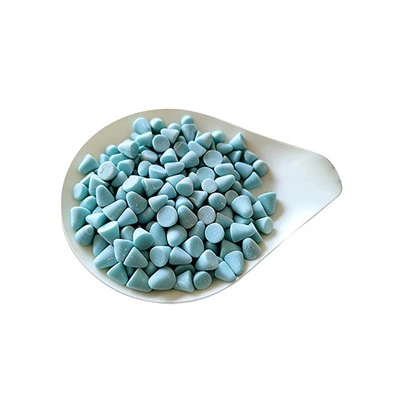
First, it’s important to understand why vortex-finished parts are so fragile right after processing. In a vortex finishing machine, parts ride on a turbulent flow of media, water, and compounds, rubbing gently against each other and the media to remove material. For most processes, the part’s surface is at a microscale level—roughness values often drop to Ra 0.8 or lower, with sharp edge radiuses of 0.1mm or smaller. That means the surface has a residue: a thin layer of slurry, fine media particles, and finishing compounds, plus a high level of electrostatic charge from the water and mechanical agitation. If you just dump parts into a bin, you’ll almost always get surface damage.
The first rule: separate parts immediately after discharge, before they settle in a pile. Vortex finishing machines cycle parts out through a screen that separates them from larger media, but fine media and slurry stay mixed with parts. If you leave them in a collection bin, small parts will shift, rub against each other, and pick up fine media particles embedded in the soft, post-finish surface. For small, high-value parts like medical implants or aerospace fasteners, this can turn a compliant finish into a scrap item. I recommend using a discharge chute that feeds parts directly into a series of perforated, individually dividers bins, each holding no more than 10 pounds of parts. The dividers prevent part-to-part contact while letting excess slurry drain away, which cuts down on electrostatic adhesion too.
Next, choose the right transport packaging material based on part material and finish requirements. This is where a lot of guesswork happens, but there’s solid engineering to guide it. For aluminum, stainless steel, and titanium parts—common in vortex finishing applications—static-dissipative materials are non-negotiable. The electrostatic charge on a finished part can draw fine metal particles or media dust onto the surface, and that charge can even pull soft edges back into a sharp profile. Static-dissipative plastic totes or linings (rated 10^6 to 10^9 ohms) bleed that charge off gradually, rather than all at once, which prevents spark damage and particle attraction. For parts with a polished or very smooth finish, avoid rough, textured materials like standard cardboard or porous foam—those can leave micro-scratches. Instead, use closed-cell cross-linked polyethylene (XLPE) foam inserts, cut to fit each part so they rest in a cradle rather than lying flat. I’ve tested this with a customer making orthopedic screws: before they switched to XLPE inserts, their post-transport scratch rate was 12%; after, it dropped to less than 1%.
If you’re transporting parts in bulk (say, for a high-volume automotive line), don’t skip the step of rinsing and drying before transport. Even if your vortex cycle uses a dry media process (common for heavy deburring), parts will have residual media dust that can scratch surfaces during movement. A final rinse with deionized water (to avoid mineral spots) and a high-velocity air dry at 100 psi will remove loose particles and eliminate that electrostatic charge. The dry step also means parts won’t get damp during transport, which prevents corrosion for ferrous parts or adhesion of water-soluble compounds. For transport, closed, vented totes work well—vents let any remaining moisture escape, while keeping dust out of the tote.
Another often-overlooked factor: temperature and shock during transport. Vortex finishing is a precise, controlled process, and thermal expansion can disrupt the finish if parts shift during temperature changes. If you’re shipping parts long distances, use temperature-stabilized packaging when possible. For local transport between your factory and a downstream facility, avoid slamming totes onto carts or dropping them—even a 6-inch drop can cause micro-deformation in thin-walled parts, like those used in precision electronics. I’ve worked with a medical device manufacturer who installed load sensors on their transport carts; they found that dropping totes at just 12 inches caused 3% of their parts to develop tiny burrs that were only detectable under a microscope. Adjusting transport cart heights to match tote bin heights eliminated that issue entirely.
Wait, what about media that sticks to parts after finishing? A lot of vortex processes use ceramic or plastic media, and tiny pieces can lodge in crevices or holes in parts. If you’re not careful, those can come loose during transport and scratch adjacent parts. Post-finishing, a spin-dryer (used in many vortex machine setups) will dislodge loose media, but for parts with deep internal features, a mild ultrasonic clean after the vortex cycle is a good middle step before transport. This removes any hidden media without altering the finished surface, which saves you from having to inspect every part for foreign material once it reaches the next stage.
Now, let’s talk about specific use cases, because one size doesn’t fit all. For aerospace parts, like turbine blades or hydraulic fittings, transport requires compliance with strict AS9100 standards. You can’t use generic totes here—parts must be individually protected to avoid contact, and all transport packaging must be traceable. I’ve supplied vortex machines to aerospace facilities that use RFID-tagged, custom-molded foam inserts so each part can be tracked from the vortex discharge bin to the assembly line. For medical parts, like pacemaker components, you need to eliminate all contamination risk. That means using sterile, single-use foam liners, and transporting parts in sealed, clean-room compatible totes to avoid picking up dust during transit. For small hardware parts, like screws or bolts, bulk transport is fine, but using mesh bags (not solid plastic) lets excess slurry drain, and separating bags by part size prevents cross-contamination between different parts.
What are the mistakes to avoid at all costs? First, overfilling totes. A tote that’s 80% full is fine; a tote that’s crammed to the top will have parts shifting constantly, leading to scratches. Second, using uncoated steel bins. Even if parts are metal, steel bins can transfer small metal shavings that ruin a finished surface; always line metal bins with static-dissipative foam. Third, skipping the drying step. Wet parts can cause corrosion, and the moisture can mix with slurry to form a paste that dries on the surface, making cleaning impossible later. I had a customer who forgot to dry brass parts after a vortex deburr; after transport, the parts had blue-green tarnish that couldn’t be removed without reworking—wasting $2,000 worth of parts.
As someone who’s spent years working with vortex finishing equipment, I’ll tell you: the best transport strategy is tied directly to your vortex process. If your machine uses a wet process with a water-based compound, you’ll need to prioritize drainage and anti-static packaging. If you use a dry media process, you’ll need to focus on dust removal and impact protection. Many of the vortex finishing machines we supply are compatible with automated discharge systems that connect directly to transport totes, which cuts down on manual handling and reduces the risk of human error. For example, our standard vortex machines can be fitted with a robotic arm that moves finished parts from the discharge chute into pre-padded totes, so parts never touch a hard surface after finishing. That’s a game-changer for high-volume operations.
At the end of the day, transporting vortex-finished parts isn’t just a logistical step—it’s an extension of the finishing process itself. A flawless vortex cycle can be ruined by a single rough transport bin, just as a mediocre finish can be preserved with careful handling. The key is to treat parts as the fragile, precision items they are from the moment the vortex cycle stops: separate them to prevent contact, use materials that don’t damage surfaces, remove excess slurry and static, and control shock and temperature during transport.
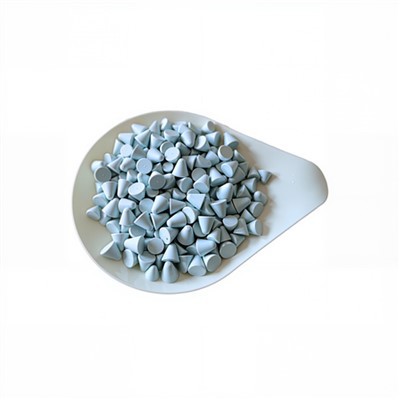
If you’re looking to update your transport process, or if you’re in the market for a vortex finishing machine designed to work seamlessly with your transport workflow, we’re here to help. We don’t just sell equipment—we work with you to map out every step of the finishing process, from machine setup to transport, so your parts stay perfect every step of the way. Reach out to our team to discuss your specific application, whether you’re finishing automotive parts, medical devices, or aerospace components, and we can tailor a solution that fits your needs.
Vegetable Abrasive Media References
- Finishing Trends International. (2022). Best Practices for Post-Vortex Finishing Handling and Transport. Industrial Finishing Magazine.
- American Society for Testing and Materials. (2021). Standard Guide for Finishing Operations for Metal Components (ASTM B911-21). ASTM International.
- Aerospace Industries Association. (2023). AS9100D Requirements for Precision Component Handling. AIA Quality Standards.
- Crosslinked Polyethylene Foam Association. (2020). Protective Packaging for Precision Metal Finished Parts. Foam Packaging Industry Technical Report.
Dongguan Xindingsheng Intelligent Grinding Technology Co., Ltd.
Dongguan Xindingsheng Intelligent Grinding Technology Co., Ltd. is one of the most reliable vortex finishing machine manufacturers and suppliers in China, also supports customized service. Please feel free to wholesale bulk high quality vortex finishing machine in stock here from our factory. Contact us for pricelist.
Address: Room 101, Building 1, No.73 Dahuangmei Road, Dalingshan Town, Dongguan City, Guangdong Province, China
E-mail: cndskj@126.com
WebSite: https://www.xdsfinishing.com/
