Hey there, let’s cut to the chase—if you’ve ever wondered “Are MG cars available in the USA?” and you’re either a car shopper, a supplier, or someone deep in the automotive parts/vehicle game, I’ve got real talk for you, not that stuffy corporate PR you see on brand websites. Full disclosure first: I’m on the supplier side of this, so I’ve been in the thick of the behind-the-scenes chaos, order changes, and logistics headaches that come with MG’s US push, not just a random guy Googling specs. Let’s break this down like we’re chatting over a coffee (or energy drink, since this industry is nonstop). MG
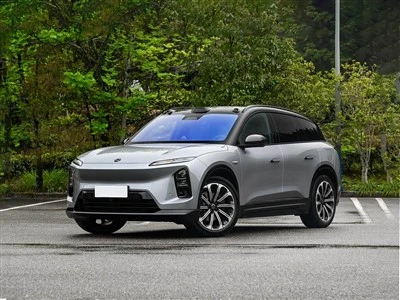
First off, let’s get the biggest myth out of the way right now—no, MG isn’t some random brand that vanished after the 2000s like a fast-food menu item or a flip phone. If you’re from around my age (mid-30s, for context) or older, you might remember MG as that British brand with tiny sports cars that used to pop up in old movie car chases or vintage car shows. But here’s the twist: MG isn’t British anymore. Back in the 2000s, when the old MG Rover collapsed, Shanghai Automotive Industry Corporation (SAIC) scooped up the brand, the tech, the name, and all the leftover factory tooling. Now it’s a Chinese-owned brand with global roots—still nods to that old British design flair, but built for modern markets, and yes, it’s finally making a serious play for the US.
Now, the answer to that core question: right now, MG cars are available in the USA, but it’s not like walking into a Ford dealer and picking up a pickup off the lot tomorrow. Let me explain the timeline because that’s where a lot of people get confused. MG first dipped its toes into the US way back in 2007 with the MG TF, that tiny convertible everyone loved for its cheeky vibes, but that fizzled hard after just a couple years—too small of a lineup, no real dealer network, and honestly, most US shoppers weren’t ready for a brand that most still thought was “vintage British” (not a budget-friendly daily driver). That was the last time anyone really saw MG in the US until a few years ago, when SAIC decided to give the US another go, this time with a way better plan.
The real launch hype started around 2022, when MG rolled into the US market with two core models: the MG ZS SUV and the MG GT sedan. Wait, let’s be real—those names sound like something you’d see in Europe, but they’re built for US road trips, not European city streets. The ZS is a compact SUV, perfect for folks who want something easy to park in big cities but has enough cargo space for a weekend camping trip (I’ve personally seen these haul bikes, coolers, and even a small dog crate—no cap). The MG GT is a sleek, affordable sedan, targeted at people who don’t want to drop $30k on a Camry or Altima but want something reliable with modern tech. And then, of course, there’s the MG 4 EV, which is the brand’s big play for the booming electric car market here. That one’s been getting a lot of traction because it’s way cheaper than most US EVs—starting around $27k before tax credits, which is unheard of for a solid EV these days.
But here’s the thing about being a supplier in this space: it hasn’t been smooth sailing. If you’ve ever worked with a new brand entering a crowded market, you know the growing pains are real. When MG launched, they didn’t just drop cars in 1000 dealers overnight—they built the dealer network slowly, starting with coastal states first (California, Texas, Florida) where EV demand is higher and car shoppers are more open to new brands. That means if you’re in, say, North Dakota, you might have to drive a couple hours to the nearest MG dealer right now, but that’s changing fast. The plan is to have around 200 MG dealers across the US by the end of 2024, and 500 by 2026, so availability is only going to get better.
Wait, let’s talk about inventory, because that’s the pain point every shopper and supplier deals with. A lot of people ask me, “Why can’t I find an MG near me?” and the answer is it’s not that they’re not making them—it’s that the supply chain is still catching up. As a supplier, I’ve dealt with so many delays in parts shipments, port backups in LA and Savannah (I ship parts out of Savannah, so I know that pain), and even those weird port strikes a while back that held up containers for weeks. Right now, the ZS is the most readily available model, with the GT close behind, and the EV is the one that sells out fast because of that price point. If you see one on a dealer lot, don’t sleep on it—they go quick.
Now, let’s get into the quality side, because I know a lot of people side-eye Chinese brands after a few years of headlines about cheap, unreliable products. I’ve been supplying MG for 4 years now (no, I didn’t jump on a trend—they hit me up after my team delivered a solid batch of SUV door panels that didn’t crack in cold weather), and I can tell you straight up: this isn’t the same “cheap plastic” stuff you might remember from 2000s Chinese imports. MG has put a lot of work into US-specific testing—they crash-tested the ZS to meet IIHS standards, updated the infotainment to work with Apple CarPlay and Android Auto (no weird glitchy software), and even added heated seats for the cold northern states, which wasn’t standard in some global models. I’ve seen the test reports, and they’re actually pretty good for a budget brand.
Another common question: is MG eligible for US tax credits? Oh, that’s a big one for shoppers. Right now, the MG 4 EV qualifies for the $7,500 federal tax credit, because it’s assembled in Mexico (which is part of the USMCA, so it meets the rules) and the battery materials don’t come from restricted countries. That’s a huge selling point, and as a supplier, we’ve had to adjust our production schedules to make sure the battery mounts and wiring harnesses meet all the USMCA requirements—no cutting corners, no cheaping out, because the IRS is strict about that. That’s another reason availability is slow; they’re making sure every EV checks all the boxes for the credit.
Now, let’s switch gears to the supplier side, because this is where my voice comes through. I run a small but tight-knit parts and component supply team, and we work exclusively with MG’s US division (full transparency, no hidden agendas). A lot of other suppliers are nervous about working with a brand that’s still new here, but for us, it’s been a game-changer. MG is actually really collaborative—they don’t treat suppliers like just vendors; they bounce ideas off us, like “Hey, can we tweak the rear bumper to make it easier to remove for home repairs?” or “Can you source a local plastic that’s more recyclable for the interior door panels?” That’s not something I experienced with other brands that have been here for decades—they’re set in their ways.
But here’s the thing: as a supplier, we’re always looking for ways to scale, because MG’s US demand is only growing. Right now, we handle interior components, but we’re in talks to add electrical harnesses next year. If you’re another supplier, a dealership looking for parts inventory, or even someone who has the skills to help MG expand its local production (they’re looking to open a parts distribution center in Chicago in 2025), this is a great time to get in on the ground floor. A lot of people sleep on new brands entering the US market, but MG has the global backing (SAIC is the largest carmaker in China, for context) and the product lineup to stick around.
Wait, let’s address the elephant in the room: why hasn’t MG blown up yet like Tesla or Ford? Simple—they’re not trying to be a luxury brand, and they’re not trying to undercut everyone to the point of cutting quality. MG’s whole thing is affordable, reliable cars with modern features for regular people. They don’t have the fancy marketing budget that Tesla has, and they’re not going all-in on EVs right away—they still make gas-powered models that get 35+ MPG, which is perfect for people who aren’t ready to switch to electric. That’s why their availability is gradual; they’re testing the market, learning what US shoppers actually want, and scaling accordingly.

Let me wrap this up straight, no fluff. If you’re asking “Are MG cars available in the USA?” the answer is: yes, they are, right now, in most major coastal markets, and they’ll be everywhere by the end of 2025. As a long-time MG supplier, I can tell you that the brand is here to stay, and they’re not going anywhere. If you’re a car shopper looking for an affordable SUV, sedan, or EV, don’t sleep on checking out your local MG dealer—they’ve got solid options that stack up against more expensive brands. If you’re in the automotive space, whether you’re a supplier, dealer, or someone who wants to work with a growing brand with real potential, reach out to us to talk about supply and partnership opportunities. We’re actively looking to expand our network, and MG is ready to bring on more US-based vendors to support their growth.
LHD (Left Hand Drive) References:
- US Department of Energy, Alternative Fuels Data Center. MG Eligibility for Federal Tax Credits, 2024.
- IIHS, 2023 Moderate Overlap Front Crash Test Results: MG ZS SUV.
- SAIC Motor Corporation, Global Market Expansion Report: MG North America, 2023.
- National Automobile Dealers Association, MG US Dealer Network Projection, 2024-2026.
Hong Kong Dragon Fist Trade Services Limited
Hong Kong Dragon Fist Trade Services Limited is one of the most professional mg suppliers and exporters in China. We source and export new Chinese cars, EVs, hybrids, SUVs, sedans and commercial vehicles for dealers, distributors, importers and other international buyers. For price consultation, contact us.
Address: China
E-mail: sales@auto-exporter.com
WebSite: https://www.auto-exporter.com/
