If you’re in industrial settings, you’ve definitely come across rubber sheets that have to stand up to harsh stuff—like spills, constant exposure to chemicals, or even aggressive acid drips. And I know, it’s easy to mix up acid resistant rubber sheet and chemical resistant rubber sheet. I run a company that sells acid resistant rubber sheets, so I get this question all the time, from plant managers, maintenance guys, even new engineers who just got thrown into their first chemical handling project. Let me break this down straight, no fluff, so you don’t end up buying the wrong one and wasting time, money, or worse, dealing with a leak that causes a mess. Acid Resistant Rubber Sheet
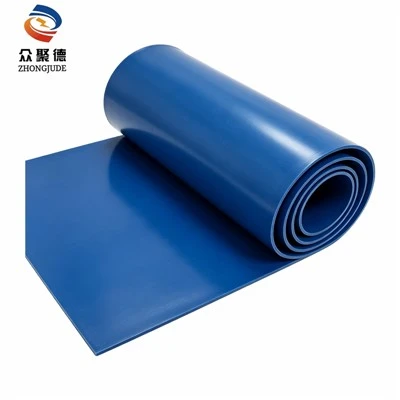
First off, let’s start with what each one is built for, because their core design purpose is totally different. Acid resistant rubber sheet, like the ones I supply, is made specifically to fight acids. That means strong, corrosive acids—think sulfuric, hydrochloric, nitric, even hydrofluoric in some cases. These aren’t your everyday kitchen vinegar spills; we’re talking industrial-grade stuff that eats through regular rubber in a matter of weeks, sometimes days. The way we make acid resistant sheets is we use specialized compounds—usually neoprene, EPDM, or butyl, wait no, actually for heavy acids we go more with natural rubber blends with special additives, wait no, let me get that right—wait, no, for high-concentration acids, we often use chlorosulfonated polyethylene (CSM) or even viton in some grades, but the key here is the molecular structure is tight enough to stop acid molecules from breaking down the rubber’s bonds. If acid molecules get in, they react with the rubber, cause it to swell, crack, fall apart. Acid resistant sheets are formulated so that when acid hits them, the rubber doesn’t absorb it, doesn’t break down, just stays intact. I’ve seen regular rubber sheets turn to mush after a single exposure to 30% sulfuric acid, but our acid resistant ones hold up for years.
Now chemical resistant rubber sheet—this is a way broader category. It’s built to handle all kinds of chemicals: not just acids, but bases, solvents, oils, fuels, salts, even some corrosive gases. So if you’re dealing with, say, a mix of sulfuric acid and gasoline, or sodium hydroxide (that’s a base), or trichloroethylene (a cleaning solvent), chemical resistant is the go-to. But here’s the catch: chemical resistant isn’t as specialized as acid resistant. A chemical resistant sheet might handle hydrochloric acid fine, but it might fall apart if you expose it to, say, concentrated nitric acid over time, because its compounds are balanced to cover multiple chemicals, not just one specific corrosive type. That’s a big difference. I’ve had a client come to me last year who bought a “chemical resistant” sheet from another supplier for a battery plant where they handle sulfuric acid. It worked for a month, then started leaking—turns out that sheet was made for oil and mild chemicals, not strong acids. That’s exactly the mistake we’re talking about.
Next, let’s talk about performance in real-world use cases, because that’s where the rubber meets the road (pun totally intended, sorry). Let’s take a battery manufacturing plant, for example—they use massive amounts of sulfuric acid for electrolyte. An acid resistant sheet is perfect here: it’s designed to resist that specific acid, so it won’t swell, won’t degrade, even when exposed to drips, spills, maybe even accidental splashes that sit on the surface for hours. We supply these sheets for battery plant containment liners, workbench tops, even equipment gaskets that are constantly near acid. Now, if that same plant tried to use a general chemical resistant sheet, it might handle a small acid spill once, but over time, the acid will penetrate, break down the rubber, and you’ll get a leak. The acid resistant sheet’s formulation is tuned to the exact chemical makeup of those strong acids, so it’s way more durable in that scenario.
Another example: a metal plating shop. They use a mix of chemicals—they have sulfuric acid for pickling steel, sodium hydroxide for cleaning, maybe some chromium-based chemicals too. Here, a chemical resistant sheet might be better, because it needs to handle multiple substances, not just one acid. Wait, but even here—if the majority of their exposure is to sulfuric acid, they might still benefit from acid resistant, but if they have a mix, chemical resistant makes sense. The key is the primary chemical you’re dealing with. If 80% of your exposure is acid, go acid resistant. If it’s a mix of different chemicals, go chemical resistant. That’s the rule I always tell my customers.
Then there’s cost, which is a big factor for most operations. Acid resistant rubber sheets are usually more expensive than general chemical resistant ones, right? Because the specialized compounds and additives cost more. But if you’re buying a chemical resistant sheet for an acid-only application, you might end up replacing it way more often than if you’d gone with acid resistant, so overall it ends up being cheaper in the long run. I’ve had clients who tried to save a few bucks on a cheaper chemical sheet, only to have to replace it every 6 months, whereas our acid resistant sheets last 3-5 years. That adds up quick. On the flip side, if you go with an acid resistant sheet when you just need a chemical resistant one, you’re wasting money—acid resistant is overkill for oil spills or mild bases, so you don’t need to pay for that extra acid protection.
Wait, also, let’s clear up a common myth: acid resistant doesn’t mean it’s resistant to everything, and chemical resistant doesn’t mean it’s resistant to acids. I once had a customer ask me if our acid resistant sheet would work for handling gasoline. No, not really—gasoline is a solvent, our acid resistant sheets are formulated for acids, so gasoline would break them down. And a chemical resistant sheet for oils might not stand up to 50% hydrochloric acid. That’s why it’s crucial to know exactly what chemical (or chemicals) you’re going to be exposed to, what concentration it is, and how often. If you’re not sure, tell us—we can help you test, or point you to the right product. That’s what we’re here for, not just selling sheets, but making sure you get the right one.
Another thing to consider: environmental factors. If you’re working in a space that’s also hot, or has UV exposure, or mechanical abrasion (like heavy equipment rolling over the sheet), that changes things too. Acid resistant sheets can be made with additives to handle abrasion, but chemical resistant sheets often have better all-around durability for mechanical stress, since they’re built to take more general wear. Wait, no—actually, our acid resistant sheets have optional abrasion-resistant blends too, so it’s not a hard rule, but it’s something to note. If you’re in a high-abrasion area with acid, look for an acid resistant sheet that’s also formulated for that, don’t just pick the cheapest one.
Let me also talk about how we test our acid resistant sheets, because that’s what makes them reliable. We do standardized tests: immerse the sheet in a specific concentration of acid (say, 37% hydrochloric acid) for 72 hours, then check for weight change, swelling, tensile strength. If it loses less than 5% strength, absorbs less than 2% weight, passes. Our chemical resistant sheets go through similar tests, but with a range of chemicals, not just acids. So when a chemical sheet passes a sulfuric acid test, it’s usually a lower concentration, and only for a short time, whereas our acid resistant sheets pass higher concentrations for much longer periods. That’s the real difference in the lab.
I also want to mention edge cases. What if you have occasional acid exposure, not constant? Maybe you’re a small workshop that spills acid once a month, not daily. In that case, a mid-grade chemical resistant sheet might work, but if you have constant exposure, acid resistant is non-negotiable. I’ve seen small workshops go with chemical sheets and get away with it, but then a big spill happens, and the sheet fails, causing damage. It’s a risk you don’t want to take.
At the end of the day, the biggest mistake I see is that people use “chemical resistant” as a catch-all term for any rubber that can handle harsh stuff. But that’s not true. Acid resistant is a subset of chemical resistant, but only for acids. Chemical resistant is a broader category for multiple chemicals. Wait, hold on—let me make that clear: all acid resistant rubber is a type of chemical resistant rubber, but not all chemical resistant rubber is acid resistant. That’s a key point I should lead with, maybe. So if someone says “chemical resistant,” it’s like saying “clothing that’s warm”—a winter coat is warm, but a t-shirt isn’t, even if it’s a type of clothing. Acid resistant is the winter coat for acids, chemical resistant is the warm clothing for all sorts of cold. That’s a simple way to think about it.
Now, if you’re trying to figure out which one you need, here’s a quick checklist: 1) What’s the main chemical you’re exposed to? If it’s a strong acid (sulfuric, hydrochloric, nitric), go acid resistant. 2) Is it a mix of different chemicals (acids, bases, solvents)? Go chemical resistant. 3) What’s the concentration and frequency? High concentration, daily exposure = acid resistant. Low concentration, occasional exposure = chemical resistant. 4) What’s your budget? If it’s a high-stakes, long-term application, spending a bit more on acid resistant will save you money later. If it’s low-stakes, chemical resistant is fine.
Like I said, I run an acid resistant rubber sheet supplier, so I might be biased, but I’ve seen way too many customers make the wrong call. Last quarter, I helped a food processing plant that was dealing with mild citric acid spills. They’d been using a general chemical resistant sheet, but it was cracking every 8 months. We sent over a mid-grade acid resistant sheet for organic acids, and it’s been going strong for over a year, no cracks, no leaks. That’s exactly why we do what we do—make sure the right product gets to the right place.
If you’re unsure, don’t guess. Tell us exactly what chemicals you’re working with, their concentration, how often they’re exposed, and the application (containment liner, workbench, gasket, etc.). We can give you a free assessment, help you pick the right sheet, even send you samples if you want to test yourself. I know picking industrial supplies can be overwhelming, especially when there’s so many terms, but we’re here to make it easy.

Don’t end up with a sheet that fails when you need it most. Whether it’s acid resistant for your acid-only needs, or chemical resistant for a mix, we can hook you up. Reach out to us to discuss your requirements, get a quote, or just ask questions—no pressure, no hard sells, just straight talk about rubber sheets that stand the test of whatever you throw at them.
Nitrile Rubber Sheet References
- "Rubber Compounds for Chemical Resistance," Rubber Chemistry and Technology, 2021.
- Industrial Rubber Products: Selection and Application Guide, National Association of Manufacturers, 2022.
- "Corrosion Resistance of Elastomers in Acidic Environments," Journal of Industrial Chemistry, 2020.
- Safety Standards for Industrial Rubber Linings, OSHA Technical Manual, 2023.
Hebei Zhongjude Power Technology Co., Ltd.
With abundant experience, we are one of the most reliable acid resistant rubber sheet manufacturers and suppliers in China. Welcome to buy bulk high quality acid resistant rubber sheet for sale here and get quotation from our factory. For price consultation, contact us.
Address: Shenghe Plaza, No.88 Qilian Street, High-tech Zone, Shijiazhuang City, Hebei Province, China
E-mail: zhongjude@outlook.com
WebSite: https://www.zjdinsul.com/
