If you’ve ever stood next to a steel furnace at the end of a production shift, you know that industrial work sites don’t just make products—they make heat. For as long as I’ve been in the waste heat recovery business, I’ve stood next to those furnaces, watched steam billow out of exhaust stacks like wasted potential, and heard the same question from plant managers: Can we actually turn that heat into something useful, or is it just a cost sink to fix? The short answer is yes—but the long answer is about how we stop writing that excess heat off as a byproduct and start seeing it as the underutilized resource it is. Waste Heat Recovery
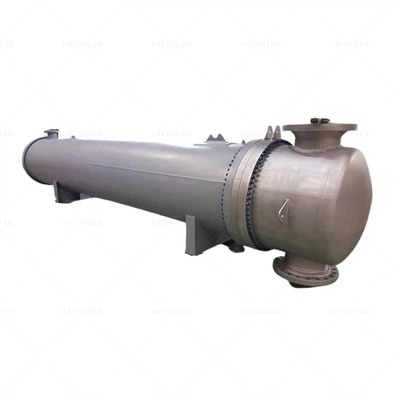
Let’s start with the basics, because this isn’t some futuristic sci-fi idea. Every industrial process has a temperature overhead: steel mills running at 1,500°C radiate half their heat up the stack; food processing plants pasteurize food with hot water only to dump the cooled water into drains; chemical refineries distill chemicals at 800°C and let the remaining exhaust escape without a second thought. According to the U.S. Department of Energy, about 20 to 50 percent of all industrial energy consumed in the U.S. is lost as waste heat—enough to power every home in the country twice over, if we could capture even a portion of it. That’s the scale of the opportunity, and it’s why my team and I have spent 12 years designing systems that turn that wasted heat into usable power, hot water, or even feedstock for other processes.
A few years back, we worked with a small-scale cement plant outside of Cleveland that was dealing with two huge headaches: their monthly natural gas bill running more than $120,000, and a local regulator breathing down their neck over stack emissions. The plant’s kiln burned fuel to heat raw materials to 1,450°C, then sent the exhaust at 350°C straight up a 200-foot stack. We installed a modular waste heat recovery unit that wrapped around the kiln’s exhaust duct—no major plant shutdown, no reconfiguring their core production line. In six weeks, the unit was running: it boiled water into steam that powered the plant’s auxiliary compressors and their onsite office heating, cutting their natural gas use by 28 percent. That translated to a $33,600 monthly savings, and a 22 percent drop in their scope 1 carbon emissions. They’ve since expanded the system to cover the kiln’s clinker cooling phase, and their emissions have fallen another 11 percent in 2023 alone. That’s not a fluke—it’s the payoff of matching the right recovery technology to the right waste heat source.
Not all waste heat is the same, though, and that’s where a lot of half-hearted waste heat projects fail. You can’t use a system built for 1,000°C exhaust on a 100°C process water line, and vice versa. Low-grade waste heat (below 230°C) is the most common—think the cooled exhaust from a food dehydrator, or the water leftover from plating metal. For that, we use organic Rankine cycle (ORC) systems, which work like a traditional steam turbine but use a low-boiling-point fluid that vaporizes at the low temperatures we’re dealing with. We’ve deployed these for a fruit juice processing plant in Michigan that was dumping 60°C process water after concentrating apple juice; the ORC unit turns that 60°C water into 120 kW of power, enough to run their entire packaging line, and cuts their grid electricity use by 18 percent. For medium-grade heat (230 to 650°C) like cement kiln exhaust, we use traditional steam turbines paired with heat exchangers that pull heat from the exhaust to generate high-pressure steam for power. High-grade heat (above 650°C, from things like copper smelters or glass furnaces) can use conventional steam turbines, sometimes paired with additional cascading recovery systems that capture heat from the steam turbine’s exhaust for on-site heating. The key is choosing the technology that fits the temperature, flow rate, and consistency of the waste heat source—one size never fits all, and that’s why we don’t sell off-the-shelf boxes; we do site assessments first, tailored to what each plant actually has.
The biggest myth I hear all the time is that waste heat recovery is too expensive, or only viable for huge plants. Let’s run the numbers straight: a small ORC system for a 500 kW application can cost between $250,000 and $350,000, but if a plant saves $50,000 a year on energy, that’s a payback period of five to seven years—fast, especially when you add in utility rebates. Many states and countries offer tax credits for industrial emissions reductions, too; the Inflation Reduction Act in the U.S., for example, gives a 30 percent tax credit for waste heat recovery projects that meet certain emissions reduction thresholds, which cuts that initial cost even more. That Michigan juice plant I mentioned paid for their entire system in four and a half years, not seven, because of a state clean energy grant covering 15 percent of the cost. For smaller operations, we’ve also designed modular, skid-mounted systems that can be installed in a week, instead of months, so they can start saving money (and cutting emissions) faster.
But let’s get to the core question: does this actually reduce industrial emissions, or is it just a way to save energy? The two are tied—less energy from fossil fuels means fewer greenhouse gases going up the stack. The IPCC’s 2023 report on industrial decarbonization lists waste heat recovery as one of the most cost-effective near-term solutions to cut industrial emissions, with the potential to avoid up to 1.5 gigatons of CO₂ annually by 2030, roughly equal to the emissions of the entire country of Indonesia. It’s not just CO₂, either: many industrial processes emit nitrogen oxides (NOx) and sulfur oxides (SOx) when they burn extra fuel for auxiliary power or heat. By using waste heat to power those needs, plants burn less fuel, so they emit fewer of those air pollutants too. That Cleveland cement plant I referenced reduced their NOx emissions by 19 percent in their first year with our system, and the Michigan juice plant cut their SOx emissions by 14 percent by reducing their grid power use (most of which came from coal at the time of installation).
There are limitations, of course—no technology is perfect. Waste heat recovery systems only work if there’s a consistent, steady flow of waste heat; a plant that shuts down for maintenance weekly won’t get the same return as a plant running 24/7. Some industrial processes have variable heat loads, like a metal stamping plant that only runs at full capacity during shifts, which requires flexible systems that can adjust to changing temperatures and flow rates. We also always factor in water use—steam turbines need water, and in arid regions, we have to install closed-loop systems that reuse water instead of drawing from local sources. We don’t cut corners on that, because waste heat recovery should be a solution that’s good for emissions, costs, and community, not just one.
What’s most exciting to me right now is that we’re not just capturing waste heat for our clients’ own use—we’re starting to connect those systems to nearby facilities in what’s called a district waste heat network. For example, a steel mill in Ohio used to dump 500°C exhaust into a cooling pond; now, our system captures that heat, turns it into steam, and sends it through a buried pipeline to a nearby residential development and a food processing plant, both of which previously burned natural gas for heating. The steel mill’s carbon emissions are down 12 percent, the development doesn’t burn natural gas for heat, and the food plant uses the recovered steam instead of its own natural gas boiler. That’s scaling waste heat recovery beyond single plants, turning individual projects into community-wide emissions reductions.
I’ve been doing this long enough to know that industrial decision-makers are tired of tech that’s overhyped and underdelivers. We don’t promise to eliminate all emissions—no one can do that tomorrow. What we do promise is systems that actually work, that are tailored to your plant’s specific setup, that cut energy bills and emissions within months of installation. We don’t do flashy sales pitches; we bring a thermographer to your plant, we map your exhaust stacks, we run the numbers, and we show you exactly how much you’ll save, how much you’ll cut emissions, and how long it will take to get your money back.
If you’re an industrial plant manager, operations director, or sustainability lead reading this, you don’t have to be a climate expert to know wasted heat is wasted profit. The question isn’t can waste heat recovery reduce emissions—it’s how much more potential is your plant leaving on the table, just from letting heat escape up the stack. We’ve helped plants across the U.S. turn that potential into results, and we can help yours too.

If you’re ready to stop treating waste heat like a byproduct and start treating it like the resource it is, reach out to start a conversation about assessing your site.
Cooper Joy Compressor Cooler References
U.S. Department of Energy, Industrial Efficiency and Decarbonization Office. (2022). Waste Heat Recovery: A Key to Industrial Energy Savings.
Intergovernmental Panel on Climate Change (IPCC). (2023). Climate Change 2023: Synthesis Report. Contribution of Working Groups I, II and III to the Sixth Assessment Report.
American Council for an Energy-Efficient Economy (ACEEE). (2021). Waste Heat Recovery Opportunities in U.S. Manufacturing.
Changzhou Vrcooler Refrigeration Co., Ltd.
Changzhou Vrcooler Refrigeration Co., Ltd. is one of the most professional waste heat recovery manufacturers and suppliers in China, specialized in providing high quality aftermarket service. Please rest assured to buy high-grade waste heat recovery for sale here from our factory. For price consultation, contact us.
Address: No. 18-69,Changwu Zhong Road, Wujin district, Changzhou, Jiangsu
E-mail: info@vrcooler.com
WebSite: https://www.vrcooler.com/
