When I started my career as a synthetic fabric supplier almost fifteen years ago, I heard a lot of questions from clients: “Why would you mix man-made fabric with natural material? Isn’t that just cutting corners?” Back then, I used to give pretty straightforward answers, but as I’ve worked with designers, manufacturers, and small business owners across the globe, I’ve learned this question—can synthetic fabric be blended with natural fabric—isn’t just a yes or no. It’s a conversation about performance, sustainability, and what people actually need from the clothes, linens, and other products they use every day. Today, I want to break that down from the perspective of someone who’s spent years sourcing, testing, and selling both synthetic and natural blends, not just reading textbooks. Synthetic Fabric

First, let’s ground this in what we’re actually talking about here. Natural fabrics are things like cotton, wool, linen, silk—materials that come from plants or animals, processed minimally to get them into fabric form. Synthetics are polyester, nylon, spandex, acrylic, all made from polymers derived from petroleum (though there’s a growing subset of recycled synthetics, which I’ll touch on later). Blending them just means combining two or more of these fibers in a single fabric, not weaving them separately. For example, a 65/35 cotton-polyester blend means 65% cotton, 35% polyester, all mixed together at the fiber stage before being spun into yarn.
When I first got into this business, I’ll admit I only saw blends as a way to make cheaper products. A big-box store would ask for a polo shirt that didn’t wrinkle, so I’d throw in some polyester to pair with cotton and call it a day. But over time, I started noticing that the best blends weren’t just about cost—they were about solving real problems that neither synthetic nor natural fabric could solve on its own. Let’s take a common example: cotton. Everyone loves cotton for its breathability, softness, and hypoallergenic properties, but it has major downsides. It wrinkles like crazy, it shrinks if you don’t wash it just right, it loses its shape after a few wears, and it takes forever to dry. Polyester, on the flip side, is durable, wrinkle-resistant, dries in half the time, and holds its shape—but it’s less breathable, can trap sweat, and some people find it scratchy or uncomfortable against skin.
Blending them fixes both. I had a client a few years back who made work uniforms for hospital staff. Nurses and orderlies needed something that didn’t wrinkle when they ran between rooms, didn’t shrink after being washed and bleached constantly, and was soft enough to wear for 12-hour shifts. Pure polyester would have made them sweat through their scrubs, and pure cotton would have looked like a crumpled mess by lunch. We settled on a 50/50 cotton-polyester blend, and the feedback was incredible. Staff said it was breathable enough to not feel sticky, didn’t require ironing, and lasted twice as long as pure cotton scrubs. That’s when I realized blends aren’t about cutting corners—they’re about meeting specific needs that single fibers can’t.
But it’s not just cotton and polyester. I’ve worked with blends of nylon and wool for outdoor gear. Wool is warm, water-resistant in small amounts, and naturally odor-resistant, but it’s heavy, takes forever to dry when it gets wet, and can be pricey. Nylon is lightweight, durable, quick-drying, and cheap. A 70/30 wool-nylon blend for hiking socks or jackets takes the best of both: it keeps you warm when it’s chilly, dries fast if you step in a stream, and doesn’t get ruined if it gets damp. I had a small outdoor brand reach out to me a couple of years ago—they were making beginner hiking gear, and their pure wool socks were selling so poorly because hikers were complaining about how heavy they were when wet. Swapping 30% of the wool for nylon fixed that, and their sales jumped almost 40% in a year. That’s the power of blending.
Of course, it’s not all perfect. I’ve had clients come to me with horror stories about blends that pilled too much, lost their color, or started to feel scratchy after a few washes. A lot of that comes down to how you blend the fibers, not the fact that you blended them at all. If you just mix short, fine polyester fibers with cotton, those polyester fibers can break loose and pill on the surface of the fabric. But if you use longer, more uniform polyester fibers, and mix them in a way that the fibers are evenly distributed throughout the yarn, you barely get any pilling. That’s where my team and I come in—we test every blend we offer for pilling, shrinkage, color fastness, and breathability before we send it out. We work directly with mills to adjust the blend ratios based on what the client needs. For example, if someone is making activewear, we might go with a higher ratio of spandex and nylon for stretch, but still add a small amount of cotton to keep it from feeling too synthetic. If someone is making bed linens, we might use a lower percentage of polyester—like 10 or 15%—to keep the softness of cotton while adding durability that makes the sheets last for years.
Now, let’s talk about the elephant in the room: sustainability. This is a question I get all the time, especially lately. “Blending synthetic and natural fabric is bad for the environment, right? You can’t recycle them separately.” It’s a fair concern, and I don’t ignore it. Early on, when most synthetics were virgin plastic, that was a real issue. But today, there are so many better options. For one, recycled synthetics—like polyester made from plastic bottles, or nylon made from fishing nets. I source most of my synthetic fabrics from mills that use recycled materials now, and when you blend those with natural fibers, the sustainability impact is way lower than using virgin synthetics. But even beyond that, the durability of blends actually makes them more sustainable overall. A work uniform made of a cotton-poly blend that lasts three times longer than pure cotton means less fabric ends up in landfills, even if it’s harder to recycle. We’re also starting to see new technologies that make it easier to blend and recycle these fabrics—mills are developing ways to separate cotton and polyester fibers from old blends, so they can be reused instead of thrown away. It’s not perfect, but it’s getting better, and for a lot of clients, a durable blend is better than a short-lived natural fabric that needs to be replaced every six months.
I also think a lot of people overlook the comfort factor here. I’ve had customers tell me they hate synthetic fabrics because they feel “plastic-y,” and hate natural fabrics because they’re high-maintenance. Blends meet in the middle. I’m thinking of a client who makes loungewear for people with sensitive skin—they use a 95% cotton, 5% spandex blend. The spandex adds just enough stretch so the leggings don’t slide down, but the cotton keeps it soft and breathable, no scratchy seams or sticky fabric. That’s the kind of product that sells because it solves a problem that neither pure cotton nor pure spandex could.
Of course, blending isn’t for everyone. If you’re making a wedding dress or a high-end silk scarf, pure natural fabric is probably the right call—you don’t want to risk blending silk with something else that would take away from its luxurious feel. But for most everyday products: t-shirts, scrubs, workwear, socks, bed linens, activewear, blends make total sense. The key is knowing what you need the fabric to do, and working with a supplier who can tailor the blend to that.
Over the years, I’ve learned that the myth that synthetic and natural fabrics shouldn’t be blended comes from outdated information—from a time when synthetics were cheap, low-quality, and mills didn’t know how to blend them well. Today, synthetic fabric technology is way advanced, and blending has become a way to create fabrics that are better in every way for consumers. They’re durable, low-maintenance, comfortable, and can be sustainable if sourced the right way.
I’ve seen this first-hand with repeat clients. A small apparel brand I’ve worked with for six years started with just a simple cotton-poly blend t-shirt, now they use different blends for every product: nylon-wool for their winter jackets, spandex-cotton for their activewear, even a blend of recycled polyester and linen for their summer button-downs. They tell me that without blends, they couldn’t make products that are affordable, long-lasting, and comfortable all at the same time. That’s the magic of it.
If you’re a designer, manufacturer, or small business owner wondering if blending synthetic and natural fabric is right for your next line, my advice is to stop thinking of it as a compromise. Think of it as a tool. What do your customers need? Do they need something that won’t wrinkle for trade shows? Something that dries fast for travel? Something that lasts through years of washing? A blend can give you that. The worst thing you can do is limit yourself to only one type of fabric. When I first started, I stuck to pure synthetics because I thought that’s what my clients wanted. Now, I offer dozens of blend options, tailored to each project, and that’s where my business has grown the most.
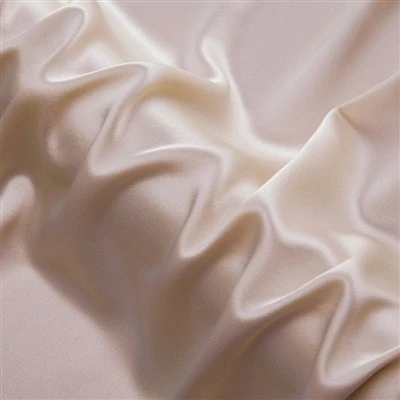
At the end of the day, the question “can synthetic fabric be blended with natural fabric?” isn’t just a technical one. It’s about what works for the people who use the products. For the last 15 years, I’ve seen blends create better products, happier customers, and more sustainable choices, when done right. If you’re working on a project and want to test out a blend, or have questions about what works best for your needs, I’m here to help. We can run tests, adjust ratios, and make sure you get exactly what you need, without guessing.
Silk Fabric References
Textile Institute. (2021). Blended Fabrics: Performance, Processing, and Applications. Woodhead Publishing.
Laursen, B., & Reimers, A. (2019). Sustainable Blends: Balancing Natural and Synthetic Fibers in Apparel. Journal of Cleaner Production.
American Association of Textile Chemists and Colorists. (2020). Test Methods for Pilling, Shrinkage, and Breathability of Blended Fabrics. AATCC Technical Manual.
Huzhou Chongzhao Shunxing Silk Co., Ltd.
As one of the most professional synthetic fabric manufacturers and suppliers in China, we’re featured by quality products and good price. Please rest assured to wholesale customized synthetic fabric made in China here from our factory. Welcome to contact us for quotation.
Address: Huzhou Chongzhao Shunxing Silk Co., Ltd., Chongzhao Wuxingtang Industrial Park, Hefu Town, Nanxun District, Huzhou City, Zhejiang Province
E-mail: sxscsilk@126.com
WebSite: https://www.shunxingsilk.com/
