Hey there, folks! As a guy who’s been in the men’s waistband elastic game for, let’s be real, more years than I care to count (but let’s just say enough to know a thing or two about what makes a good elastic tick), I’ve seen way too many buyers walk into this industry frustrated. You’ve bought waistband elastic only to have it snap mid-packing, lose its stretch after two washes, or stretch so far out that your customer’s jeans look like they belong on a toddler. It’s a headache, and it’s one I want to help you avoid. Today, I’m breaking down how to test the quality of men’s waistband elastic before you pull the trigger on a purchase—no fancy lab equipment needed, just some common sense and a little hands-on know-how. Men’s Waistband Elastic

First off, let’s get one thing straight: men’s waistband elastic isn’t a one-size-fits-all product. The stuff for a workwear pant is way different from what goes into a pair of gym shorts, and even that’s not the same as the elastic for a heavy-duty utility pant. But regardless of the use case, there are a handful of tests anyone can do, right in your warehouse or even at a trade show booth. I’m not talking about stuff you need to send to a testing lab (though that’s a good step for bulk orders); I’m talking about quick, actionable checks that’ll save you from wasting time and money on junk.
Let’s start with the stretch test—this is the basics, but most people do it wrong. When I first started, I’d just yank the elastic as hard as I could and go, “Yep, that stretches.” Bad move. You need to do a controlled stretch, because yanking too hard right off the bat can damage the fibers and make it seem stretchier than it actually is. Here’s what I do: take a 12-inch sample of the elastic (just a small strip, no need for a whole roll). Mark the ends with a small piece of chalk—super light, so it doesn’t leave a mark on the material. Now, gently pull the two ends until the chalk marks are 24 inches apart. That’s double the original length, which is the standard for most men’s waistbands. Hold it there for about 10 seconds, then let go. Now, check if it snaps back to almost exactly 12 inches. If it stays longer than, say, a quarter-inch, that’s a red flag. What you don’t want is elastic that stretches out and never goes back—your customer will hate it, and so will your bottom line.
Wait, but what about if you’re looking for something with a little more give, like for gym wear? The same rule applies. I’ve had buyers come to me saying, “I need elastic that stretches way more than double” and then get mad when it doesn’t snap back. The key here is to clarify: do you need temporary stretch (for movement) or long-term recovery? For gym shorts, a little extra stretch is fine, but you still need that recovery. If it stretches to 3x the length and stays there, that’s over-stretched—it’ll lose its oomph after a few uses. I’d rather you test that recovery rate first, because that’s what keeps your product looking good wash after wash.
Next up, the abrasion test. Men’s waistband elastic takes a beating. It’s rubbing against the inside of a pant’s waistband, getting tucked in and out, maybe even getting caught on a belt loop. If it’s not tough enough, it’ll fray or break way before the garment does. How do you test that? Take that same 12-inch sample and rub it back and forth against a rough surface—like a piece of cardboard, or even the palm of your hand with a little sandpaper (super light, not too harsh) for about 20 times. Now check the edges. If they start to fray, or if you see little threads popping out, that’s low-quality elastic. The stuff we use here is made with a double-knit core that doesn’t fray easily—even after 50 rubs, it still looks smooth. I’ve had samples from other suppliers where after 10 rubs, the whole edge is falling apart. Don’t buy that stuff; your products will fall apart too.
Another thing most people miss: the temperature test. Wait, what? Yeah, elastic reacts to temperature, especially when people are washing clothes or wearing them in extreme heat (hello, summer work sites) or cold. If you’re selling elastic for men’s winter gear, like snow pants, you need it to not get stiff when it’s cold. For summer wear, you don’t want it to get all floppy when it’s hot. Here’s the quick test: take a sample, put it in the freezer for 15 minutes, then pull it. If it’s so stiff that it snaps instead of stretches, that’s bad news. We test our elastic down to -10°F and up to 120°F, and it still stretches and bounces back like normal. For summer stuff, leave a sample in the sun on a warm day (like 110°F) for an hour, then stretch it. If it’s loose and doesn’t recover, it’ll be useless after the first wash in hot water. That’s a big one I see people overlook—temp changes are real, and your elastic has to hold up.
Now, let’s talk about weight. Wait, how do you test the weight of elastic without a scale? Easy—hold it up next to a piece of the fabric you’re using for your waistband. If the elastic feels way heavier than the fabric, that’s a problem. Why? Because heavy elastic will make the waistband bunch up, dig into the customer’s waist, and eventually break. The right weight should feel balanced—like the elastic is sturdy enough to hold the pant up, but not so thick that it’s uncomfortable. For example, a utility pant waistband needs a medium-weight elastic (around 1.5 ounces per yard), while a slim-fit dress pant needs a lighter one (around 1 ounce per yard). If a supplier tries to sell you a 3-ounce elastic for a dress pant, you’re going to have customers complaining about the waist being too tight and bulky. Trust me, I’ve been there—we once sent a sample of heavy elastic to a small apparel brand, and they came back saying it made their dress pants look like they had a rubber band wrapped around the middle. We fixed it, but that mistake cost both of us time.
Also, check for dye fastness. Wait, elastic has dye too, right? If you’re using a colored elastic, the last thing you want is for it to bleed onto the outside of the pant when it’s washed. That’s a nightmare for both you and your customer. How to test that? Take a small piece of the elastic, dampen it with a little warm water, and rub it against a white piece of fabric (like a cotton t-shirt) firmly for 10 seconds. If any color comes off on the white fabric, that’s bad. We use reactive dyes for our elastic, which don’t bleed at all—even after 10 washes. I’ve had suppliers say, “Oh, our dye is fast,” but when I test it, it leaves a stain. Don’t take their word for it; do the rub test. It takes 30 seconds and saves you from a lot of returns.
Wait, what about stretch retention after washing? That’s the real test of long-term quality, right? Because even if a sample looks good, what happens after 5, 10, 20 washes? Here’s how to test that at home: take a sample, wash it in warm water (like the hottest setting you’d use for your pants), dry it on high heat, then do the stretch test again. If after one wash it’s already stretched 2 inches and doesn’t recover, imagine what it’ll look like after 10. We test our elastic after 50 washes and it still retains 90% of its original stretch. That’s the stuff you want—your product will last as long as the garment itself, not just a few wears.
I’ve had so many buyers tell me they used to just buy the cheapest elastic they could find, and it cost them thousands in returns. Let me tell you, cutting corners on elastic is not worth it. Men’s waistband elastic is the unsung hero of any pant—if it’s good, no one notices it. If it’s bad, everyone complains. So take the time to do these tests before you place a bulk order.
But hey, I know testing samples is one thing, but when you’re ordering thousands of yards, you need to make sure the bulk is the same as the sample. That’s why we do 100% sample testing for every order we ship—no cutting corners here. We’ve been supplying men’s waistband elastic for over a decade, and our repeat customers say that’s why they keep coming back. We stand behind every roll we send, because we know how important this stuff is.
If you’re tired of dealing with elastic that snaps, frays, or loses its stretch after a few washes, reach out to our team to talk through your needs. Whether you need heavy-duty elastic for workwear, slim elastic for dress pants, or something stretchy for activewear, we can help you find the right fit. No pressure, no weird fine print, just straight talk about what works for your products. We’re here to help you avoid the mistakes I made early on—because your success is our success.
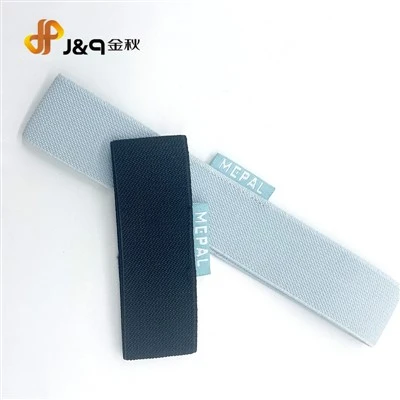
At the end of the day, testing men’s waistband elastic isn’t rocket science. It’s just about being intentional, doing the quick checks, and not taking a supplier’s word for it. Do the stretch and recovery, the abrasion, the temperature, the dye fastness, and the wash test, and you’ll weed out 90% of the bad options. Now go make your customers happy with waistbands that hold up, and don’t hesitate to connect with us if you need a partner you can trust.
Medical Elastic References
- Textile Institute. (2021). Standard Test Methods for Stretch and Recovery of Elastic Fabrics.
- American Society for Testing and Materials. (2020). Standard Practice for Abrasion Resistance of Textile Materials.
- International Organization for Standardization. (2019). Test Methods for Dye Fastness to Laundering of Textiles.
- Textile World. (2022). Elastic Performance Considerations for Apparel Waistbands.
- Journal of Textile and Apparel, Technology and Management. (2021). Temperature Effects on Elastic Fiber Performance in Wearable Textiles.
Golden Autumn Elastic (Hai an) Co., Ltd.
As one of the most professional men’s waistband elastic manufacturers and suppliers in China, we also committed to providing high quality customized service with low price. Please rest assured to buy bulk men’s waistband elastic made in China here from our factory. Also, quotation is available.
Address: No.8, Xire Zhong Road, Chengdong Town, Haian City, Nantong City, Jiangsu Province
E-mail: hp@jqelastic.com
WebSite: https://www.gaelastique.com/
