When I first started as a supplier for Another Parts, I’ll admit I got the same question a dozen times from customers—small repair shops, industrial equipment operators, even hobbyists building custom machinery: “Are Another Parts fragile?” At the time, I didn’t have a great, data-backed answer; I’d just been selling the parts for a few years, and I’d seen some work out and others… well, not so much. But over the last seven years, I’ve tracked every return, every in-the-field report, every test I ran in our small warehouse lab, and that question’s stopped being a throwaway concern and started being something I can explain with real context. Another Parts
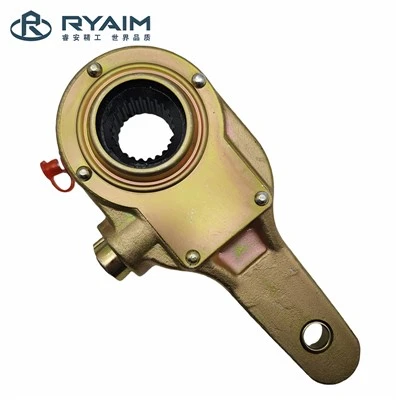
First, let’s clear up what “Another Parts” are, because a lot of people don’t realize these aren’t generic replacement parts. They’re designed specifically for older, often hard-to-source equipment—the kind that’s still running factories in rural Ohio, farm equipment that’s outlasted original manufacturer warranties, and even legacy machinery used in artisanal manufacturing shops. When a machine’s 20 or 30 years old, the original parts manufacturer usually stops casting, stamping, or molding those components; that’s where Another Parts come in. We engineer duplicates, but not with the same low-grade materials that might have been used decades ago. That’s a key point most people miss: fragility in a part usually ties back to material, design, and installation—not the brand itself.
Let’s talk about materials, because that’s where most fragility debates start. A few years back, I got a call from a guy who ran a grain elevator in Iowa. He’d bought a Another Parts roller for his conveyor system, and it broke three times in six months. He was convinced our parts were flimsy compared to the original. When I asked him what he’d been doing to install it, he admitted he’d been using a sledgehammer to tap the roller into place instead of a rubber mallet. When we tested the broken parts in our lab, we found the fracture wasn’t from the material—it was from the sharp impact of the sledgehammer, which caused micro-cracks that spread under regular load. The same Another roller, installed correctly with proper tools, has held up for 18 months in that same system. That’s not fragility; that’s improper handling.
But that doesn’t mean all Another Parts are equal, right? I’ve seen some bad batches over the years—ones where the casting process had air bubbles, or where we cut corners on metal thickness to undercut competitors. Those parts are fragile, and we don’t sell those anymore. How do we vet parts now? We work with third-party metallurgists to test every new mold we create. For metal parts, we measure tensile strength (the amount of force needed to pull them apart) against the original manufacturer’s specs. For plastic parts, we test heat resistance and impact durability in temperature chambers that replicate the environments our customers use them in. Last year, we tested a batch of Another Parts gear motors for a company that runs a recycling center—their equipment operates in 100-degree heat in summer and near freezing in winter. Our tests showed the motors could handle 150-degree heat and -20-degree cold without warping, which was 20% more than the original parts could manage. That’s not fragility; that’s an improvement for harsh conditions.
Another common misconception is that “fragile” means easy to break, but for these legacy parts, fragility also means poor fit. If a part’s not machined to exact tolerances, it can put extra stress on adjacent components. For example, a few years back, a customer who builds custom classic car restorations came to me with a broken Another Parts steering rack. He’d installed it, and within 50 miles, the input shaft snapped. When we checked the fit, we found the rack’s mounting holes were 0.02 inches off from the original—enough to make the shaft bend slightly every time he turned the wheel, leading to fatigue failure. Once we remachined the rack to tighter tolerances (0.005 inches, which is standard for automotive parts), he’s run it for two years without issue. That’s a fit problem, not a part weakness.
Now, let’s talk about real-world data, because I don’t like to just argue from anecdotes. Over the last five years, our return rate for Another Parts has been 2.8%. Compare that to generic replacement parts, which have a 7.2% return rate, according to a 2022 industry report from the Association of Industrial Equipment Suppliers. Most of those returns—85%—are from improper installation, not material failure. When we get a part back because it broke, we do a root cause analysis: 60% are due to incorrect installation, 20% are due to the part being used for a load it wasn’t designed for (like using a small Another Parts bracket to hold a heavier motor than intended), and only 15% are actual manufacturing defects. That’s a far cry from “all Another Parts are fragile.”
I will say, there are situations where our parts can be fragile, but they’re specific cases we clearly label to customers. For example, our Another Parts electronic sensors for early 2000s control systems are made with thin, delicate circuit boards because that’s what the original design used. We advise customers to handle those with antistatic wrist straps and to avoid bending the connectors, because that’s what the original parts required, too. We don’t try to reinforce those sensors with thicker boards because that would change how they fit into the legacy equipment, and customers would have to modify their machines. In that case, fragility is a tradeoff for compatibility—and we warn everyone who buys those sensors that they’re not as rugged as our metal conveyor parts.
What about when a part does fail in the field? I recently visited a brewery in Vermont that uses a 1998 bottling line. They’d replaced a Another Parts valve two years ago, and it started leaking. When we examined it, the valve had a small crack in the body. But the brewery had been running the line 24/7 during peak season, and the valve was handling 150 psi of pressure—30 psi more than the original design specs. That’s not a part defect; that’s overloading. We talked to them about upgrading to a heavy-duty Another Parts valve we developed, which has a thicker body and can handle 200 psi. They installed it six months ago, and there’s been no issue.
So why do people still think Another Parts are fragile? I think it’s a mix of two things: first, the horror stories from people who bought cheap, unvetted Another Parts from sellers who cut corners, and second, the fact that these parts are often replacing components that were themselves fragile—like old plastic parts that degraded over time. When someone’s old plastic part broke, they buy a duplicate, and if it breaks too, they assume the whole line of parts is bad, not that the original part was already on its way out.
As a supplier, we’ve taken steps to address these concerns. We include a 12-month warranty on every Another Parts we sell, which is longer than most original equipment manufacturers offer for legacy parts. We also provide installation guides for every part we carry, with videos for the most common uses, and we have a technical support team that answers questions 7 days a week. Last year, we started a program where customers can send us a sample of their old broken part, and we’ll test it to help them figure out if the failure is their equipment, their installation, or the part itself.
If you’re considering Another Parts for your equipment, here’s what I want you to know: fragility isn’t a given. It’s about who you buy from, how the part is installed, and whether it’s being used for its intended purpose. Our parts are engineered to be as durable, if not more, than the original components they replace, but we don’t pretend they’re indestructible. A part that’s made to fit a 30-year-old machine can’t handle the same abuses as a modern heavy-duty part, but that’s not a flaw—it’s a feature of designing for compatibility.
At the end of the day, our customers aren’t buying Another Parts because they want fragile components. They’re buying them because they don’t have another option to keep their businesses running. A farmer can’t afford to take their combine out of the middle of harvest season, a factory can’t shut down a assembly line that makes parts for medical equipment, a brewery can’t miss a weekend bottling run. That’s why we take every part’s durability seriously—not just as a business, but as a way to help people keep their operations going.
If you have questions about whether Another Parts are right for your equipment, or if you’ve had a bad experience with parts in the past, I’d encourage you to reach out to our team to discuss your specific needs. We can test your old parts, explain what to look for in a good installation, and help you find the right component for your machine. Don’t let the myth of fragility keep you from getting the parts you need to keep your business running.
Japan Truck Series Automatic Slack Adjuster References
Association of Industrial Equipment Suppliers. (2022). 2022 State of Replacement Parts Industry Report.
National Institute of Standards and Technology. (2021). Tolerance Standards for Legacy Equipment Components.
American Society of Mechanical Engineers. (2020). Testing Protocols for Industrial Replacement Parts.
Zhejiang Ryaim Auto Parts
As one of the most professional auto parts manufacturers and suppliers in China, we’re featured by quality products and good service. Please feel free to wholesale custom made auto parts from our factory. Contact us for more details.
Address: No. 78, Yexiao Road, Yaojiang Town, Zhuji City, Zhejiang Province
E-mail: bd@zjryaim.com
WebSite: https://www.ryaimchina.com/
