If you’re in the market for a steel workshop building, you probably know they’re a game-changer for durability, cost, and speed to set up. But here’s the thing I’ve learned working as a steel workshop supplier for years: a lot of clients fixate on the size, design, and price tag, and sleep on the environmental protection requirements that come with it. It’s not just about checking boxes for regulations—getting these right saves you money down the line, keeps your facility compliant, and even boosts your brand’s credibility. Today, I’m breaking down exactly what you need to know, from the stuff I see clients skip all the time to why it matters more than you think. Steel Workshop Buildings
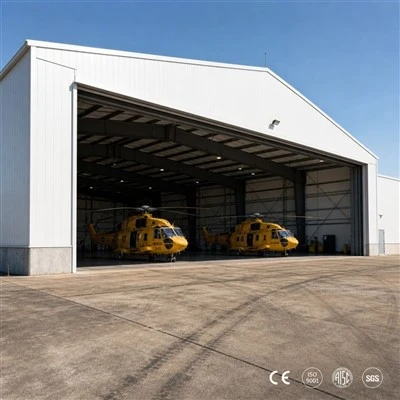
First up, let’s talk about material choices—this is the foundation of any eco-friendly steel workshop, and it’s where I start every project with my clients. Steel itself is one of the most recyclable materials on the planet, right? I mean, 90% of steel used in construction today has recycled content, and at the end of a building’s life, almost all of it can be melted down and repurposed, no quality loss. But not all steel is created equal. Some mills produce steel with way higher embedded carbon than others, especially if they use coal-based blast furnaces. I always push clients to go for electric arc furnace (EAF) steel, which uses scrap steel as raw material and cuts carbon emissions by up to 75% compared to traditional steel. That’s a big win for reducing your workshop’s carbon footprint before you even build a single wall.
Then there’s the stuff we add to steel to make it last—coatings, insulations, sealants. A lot of cheap workshops use solvent-based coatings, which release volatile organic compounds (VOCs) into the air during application and even years later. Not only is that bad for the workers inside the workshop (hello, respiratory issues), but many local air quality regulations ban these coatings for industrial facilities now. I only use water-based or powder-coated steel for my buildings. Powder coating, for example, is 100% dry—no solvents evaporating, and any overspray can be collected and reused, so less waste and lower emissions. Plus, it lasts longer than regular paint, so you don’t have to re-coat every 5 years, which means fewer chemicals entering the environment over time.
Next, energy efficiency—this is where you see real long-term savings, and it’s non-negotiable for most modern environmental standards. Let’s be real: steel sheds and workshops are notorious for being drafty, hot in summer, cold in winter, because steel conducts heat really well. But there are easy fixes here. First, insulation. I recommend closed-cell spray foam insulation for the roof and walls—wait, no, wait, not just any insulation. It’s got a higher R-value (that’s the measure of thermal resistance) per inch than fiberglass, and it seals gaps completely, so no air leaks. That means your HVAC system doesn’t have to work overtime to keep the space at a consistent temperature, cutting your energy bills by 30-40% easy. And for the roof, we can add cool roof coatings—those are reflective materials that bounce sunlight away, so the inside stays 10-15 degrees cooler in summer, again reducing AC use. Some places even offer tax incentives for installing cool roofs, so that’s a bonus.
Then there’s lighting. Traditional metal halide or incandescent lights in workshops are energy hogs. I always push LED lighting, which uses 75% less energy than old bulbs and lasts 25 times longer. Not only does that lower your energy consumption, but less waste from burned-out bulbs means fewer toxic materials (like mercury) ending up in landfills. We also incorporate natural lighting where possible—skylights or translucent roof panels. For small to medium workshops, that can cut daytime lighting needs by 50% or more. I had a client last year who switched to LED and skylights, and his energy bill dropped by $1,200 a month. He thought I was overhyping it until he saw the first bill.
Water management is another big one that a lot of people overlook, especially for workshops that handle chemicals, or are in areas with strict stormwater rules. Industrial sites used to just dump rainwater runoff into sewers, but that’s a no-go now because runoff picks up oil, dirt, and other debris from the workshop floor, polluting waterways. So what can we do? First, we design workshop floors with sloped surfaces that direct runoff to a collection system, not straight to drains. Then, we install oil-water separators—these trap any chemicals or oils before the water is either treated and reused for non-potable needs like watering landscaping, or safely discharged. For clients in drought-prone areas, we can even add rainwater harvesting systems that collect roof runoff, filter it, and use it for flushing toilets or cleaning equipment. That cuts down on municipal water use, which is a huge win for both the environment and your utility bills.
Waste reduction during construction and operation is part of this too, right? Environmental protection isn’t just about the building itself—it’s about how it’s built and how it works day-to-day. When I fabricate my steel workshop buildings, I pre-cut all the parts in my factory, not on-site. That means almost no construction waste—no leftover steel beams, panels, or fasteners getting dumped at the job site. Any small offcuts from fabrication are either reused for small parts of the building or recycled back into the steel mill. Compare that to traditional construction, where you might have tons of waste per project. And for operation, we design the workshop with modular parts—so if you need to expand, or replace a section, you don’t have to tear down the whole building. That reduces waste from renovations and keeps the structure functional for longer.
Wait, let’s not forget about air quality standards for the workshop itself. If your business handles fumes, dust, or particulate matter (like metalworking, woodworking, or chemical processing), you need ventilation systems that meet local environmental regulations. I work with my clients to design ventilation systems that capture and filter those pollutants before they’re released into the air. That’s not just for compliance— it keeps your workers safe, which is good for morale and less downtime from sick days. For example, if you run a metal stamping shop, we’ll install exhaust hoods at the workstations with HEPA filters that trap tiny metal particles, so they don’t get blown out into the neighborhood or contaminate the air.
Also, there are a lot of global and regional certifications that can make this easier. LEED (Leadership in Energy and Environmental Design) is the big one in the US, BREEAM in the UK, but even if you don’t need certification, following their guidelines is a smart move. A lot of my clients don’t realize that getting a LEED certification for their steel workshop can actually make their building more valuable, and help them win clients who prioritize sustainable partners. I know a small manufacturing company that used my EAF steel, insulation, LED lighting, and rainwater system to get LEED Silver, and they landed a big contract with a major retailer that required all their suppliers to be sustainable. That’s a huge side benefit that I don’t think people talk about enough.
Now, let’s be real—there are some myths out there that hold people back. I hear all the time: “Eco-friendly steel workshops are way more expensive.” Yeah, maybe upfront a little, but the savings over time are massive. Let’s do the math: if you spend an extra $5,000 on insulation and cool roof, you’ll save $1,200 a month on energy, that’s back in 4 months. The recycled steel might cost a tiny bit more, but the long-term durability and lower carbon footprint make it worth it. Another myth: “It’s too complicated to meet all these regulations.” I make it my job to stay on top of local, state, and federal environmental rules. I don’t just sell you a building and leave you to figure it out— I help you every step of the way, from designing to compliance checks. That’s part of why my clients come back to me, and refer their friends.
I also want to mention something that’s personal to me—my dad started this steel workshop business 25 years ago, and he always said that “doing right by the planet is good for business.” Back then, people thought he was crazy for pushing for recycled steel and energy efficiency, but now every client asks for that stuff. Climate change isn’t some distant problem, it’s affecting every industry, including construction. Building an eco-friendly steel workshop isn’t just checking a box—it’s future-proofing your business. If you build a workshop now that meets today’s standards, you won’t have to do costly retrofits in 5 years when regulations get stricter.
Here’s the thing I see most often: a client comes to me wanting a cheap steel workshop, and after we talk about the environmental requirements, they realize that the “cheap” option ends up costing them more in the long run—higher energy bills, fines for non-compliance, more maintenance. The eco-friendly option is actually a better investment. For example, a client last year went with a super cheap workshop from a big box supplier that used solvent-based paint, no insulation, and thin steel. Within a year, he was getting hit with fines from the state air quality board for the VOCs leaking from the paint, and his energy bill was $1,500 a month. He ended up ripping it out and buying one from me, and now he saves $1,000 a month on energy, no fines, and he hasn’t had to repaint it in 2 years because of the powder coating. That’s the real stuff that matters.
So, what do you need to actually put this all together? If you’re ordering a steel workshop, start by talking to your supplier about their material sources—ask if they use EAF steel, powder coatings, low-VOC sealants. Then, talk energy: insulation, lighting, cool roofs. Ask about their ventilation and stormwater management designs. If your supplier doesn’t know these answers, that’s a red flag. A good supplier (like me, I might add) will walk you through every step, explain the trade-offs, and make sure the building meets all local environmental regulations.
At the end of the day, environmental protection for steel workshop buildings isn’t just about being “green”—it’s about saving money, keeping your business compliant, keeping your workers safe, and doing your part for the planet. I’ve been in this game long enough to know that the clients who take these requirements seriously are the ones who succeed long-term. They don’t cut corners on the stuff that matters, and that’s how they build a business that lasts.

If you’re ready to build a steel workshop that’s durable, compliant, and eco-friendly, let’s chat. I can walk you through different options tailored to your needs, answer all your questions, and make sure you get a building that works for both your business and the planet. Don’t hesitate to reach out—we can work together to make something that checks all the boxes, without the hassle.
Steel Warehouse References:
- American Iron and Steel Institute. (2023). Recycling in the Steel Industry.
- U.S. Environmental Protection Agency. (2022). Energy Efficiency for Industrial Facilities.
- International Code Council. (2021). Environmental Standards for Industrial Buildings.
- Sustainable Steel Council. (2023). Eco-Friendly Steel Construction Guidelines.
- U.S. Green Building Council. (2022). LEED for Industrial Facilities Rating System.
Liaoning Zhongbei Steel Structure Engineering Co., Ltd.
Liaoning Zhongbei Steel Structure Engineering Co., Ltd. is one of the most professional steel workshop buildings manufacturers and suppliers in China, also supports customized service. We warmly welcome you to buy advanced steel workshop buildings made in China here from our factory. Also, quotation is available.
Address: No. 239 – 1, Shenbei West Road, Yuhong District, Shenyang, Liaoning.
E-mail: Info@cnssgroup.cn
WebSite: https://www.cnssprefabbuildings.com/
