If you’ve spent any time researching non-surgical ways to soften nasolabial folds—those lines that run from the sides of your nose to the corners of your mouth, often called “smile lines” or, for many of my clients, just lines that make you look older than you feel—you’ve probably stumbled on platelet-rich plasma, or PRP. As someone who’s spent the last 8 years supplying targeted products and support for nasolabial fold treatments (yes, that’s me, working behind the scenes to make effective, science-aligned solutions accessible to clinics and providers), I get the questions. Does PRP actually work for these specific lines? Or is it just another overhyped cosmetic trend? Let’s break this down like we do with every client who walks through our door—no fluff, just the science, the real-world results, and what you need to know if you’re considering this, or if you’re a provider looking to offer the best, most reliable options for your patients. Nasolabial Fold
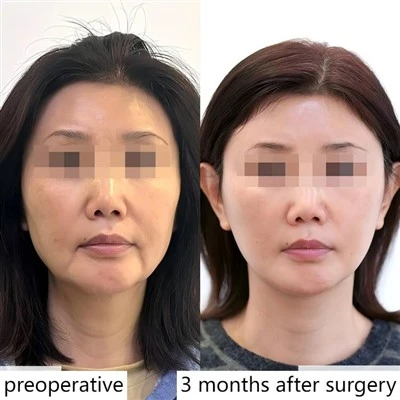
First, let’s get a quick refresher on what nasolabial folds (NLFs) actually are, because that’s where the confusion often starts. A lot of people think these lines are just skin deep, but they’re not. They form from a mix of factors: the natural loss of collagen and elastin as we age, the movement of facial muscles every time you smile or talk, the volume loss in the mid-face (that sunken look under the cheeks that makes lines look deeper), and even things like sun damage or smoking that speed up collagen breakdown. So any treatment for NLFs has to address more than just the surface line—it has to tackle the underlying causes, too. That’s a key point because a lot of treatments that work for general wrinkles don’t always hit the mark for NLFs specifically.
Now, PRP. The core idea here is simple: take a sample of your own blood, spin it in a centrifuge to concentrate the platelets (the cells responsible for healing), and inject that concentrated platelet plasma back into the target area. Platelets are packed with growth factors—things like platelet-derived growth factor (PDGF), transforming growth factor beta (TGF-β), and vascular endothelial growth factor (VEGF)—that signal your body to do two main things: make more collagen and elastin, and improve blood flow to the area. That’s supposed to plump up thin skin, soften lines, and smooth out those NLFs. But does it translate to actual, noticeable results for these specific lines?
Let’s go to the science, because that’s what every good provider and patient should rely on. Over the last 15 years, there’s been a growing body of clinical research focused on PRP for facial lines, and NLFs are one of the most studied areas. A 2021 review in the Journal of Cosmetic Dermatology looked at 12 separate clinical trials involving over 800 patients and found that PRP treatments resulted in a statistically significant reduction in nasolabial fold depth at 3 months, 6 months, and even 12 months after the final treatment. The most common protocol in these trials is 3 treatments, spaced 4 weeks apart, with follow-up sessions as needed—usually once every 6 to 12 months for maintenance.
But here’s the part no one talks about enough: PRP doesn’t work the same for everyone, and it works best when it’s used correctly for NLFs specifically. Unlike dermal fillers, which immediately plump lines (though their results only last 6 to 18 months), PRP works gradually. Most patients start to notice subtle softening at 4 to 6 weeks after their first session, with more noticeable results at the 3-month mark. For NLFs, that makes sense because you’re not just filling a line—you’re building new collagen over time. That’s a big benefit for people who want more natural, long-lasting results without the risk of filler complications like lumps or asymmetry, or the need for repeat injections every few months.
But wait—what about the gaps in the research? I don’t want to oversell this. A 2019 study in Dermatologic Surgery pointed out that the quality of PRP preparation can make a huge difference in results. If you don’t isolate the platelets correctly, or if you use a system that doesn’t concentrate them enough, you’re basically injecting plain plasma or even blood, which won’t have the same growth factor levels. That’s why, as a supplier of nasolabial fold treatment solutions, I work directly with clinics to ensure they’re using standardized, tested PRP kits that deliver consistent platelet concentrations—no guesswork, no wasted time or money on treatments that don’t work. I’ve seen too many patients walk away from bad PRP experiences because their clinic used a one-size-fits-all method that wasn’t tailored to NLFs.
Another key point: PRP for NLFs works best when paired with other treatments that address the full scope of those lines. As I mentioned earlier, NLFs aren’t just surface wrinkles—they’re tied to mid-face volume loss. A 2022 trial in the International Journal of Women’s Dermatology tested PRP alone vs. PRP combined with micro needling for NLFs, and found that the combination resulted in 30% deeper line reduction at 12 months, compared to 15% with PRP alone. Micro needling creates tiny, controlled injuries in the skin that help the growth factors from PRP penetrate deeper and stimulate more collagen, which is perfect for thicker, more stubborn lines like NLFs. That’s why we also supply complementary products specifically formulated to pair with PRP for nasolabial folds—products that are gentle on the mid-face but maximize collagen production without causing irritation.
Now, let’s get real about what PRP can and can’t do for NLFs. It’s not a miracle cure. If your lines are very deep, or if they’re caused by extreme volume loss that can only be addressed with filler, PRP might not give you the same immediate, dramatic result. It’s best for mild to moderate NLFs, or for people who want to build up their skin’s health over time as a way to prevent lines from getting worse. I have a regular client, a 48-year-old elementary school teacher who comes in twice a year for maintenance, first tried PRP 3 years ago when she started noticing her smile lines felt “deeper when she woke up in the morning.” She used to get fillers every 8 months, but switched to PRP after her nurse practitioner suggested it as a more natural option. Now her lines are softer, and she says her skin overall looks more plump and glowing—something she didn’t get from fillers alone. That’s the kind of real-world result we see all the time, but it’s important to note that every person’s skin is different. People with very sun-damaged skin might need more sessions, and results can vary based on age, lifestyle (smoking, sun exposure, even diet), and how well they follow post-treatment care instructions.
Post-treatment care is another huge factor that people overlook. After PRP for NLFs, you should avoid excessive sun exposure, strenuous exercise, and drinking alcohol for the first 48 hours to help your body heal. That’s one reason we provide detailed care guides with every product we supply—because the best treatment in the world won’t work if a patient doesn’t follow the simple steps to support their skin’s healing. I’ve also learned that communication is key. When a provider is supplying PRP for nasolabial folds, taking the time to explain that results take time, and that you won’t see a huge difference right away, helps set realistic expectations. Too many clinics overpromise instant results, and that’s where PRP gets a bad rap.
Now, let’s talk about safety, because that’s non-negotiable. PRP is made from your own blood, so the risk of allergic reaction is almost zero. The most common side effects are mild: redness, swelling, or bruising at the injection site, which usually goes away in 1 to 3 days. For NLFs specifically, since the skin here is thinner than on, say, the cheeks, providers have to be careful about injection depth. If you inject too superficially, you might get a lumpy appearance; too deep, and you might not get the collagen stimulation you need. That’s why standardized products and trained providers are so important. As someone who supplies nasolabial fold treatment tools, we work with clinics to train their staff on proper injection techniques specifically for NLFs, so they avoid those common mistakes.
If you’re a patient considering PRP for your NLFs, here’s what I recommend: first, go to a board-certified dermatologist or plastic surgeon who has experience treating nasolabial folds with PRP. Ask them how many sessions they’ve done, what protocol they use, and what kind of results their past patients have had. If you’re a clinic owner or provider looking to add PRP (or complementary nasolabial fold treatments) to your practice, we can help you source high-quality, tested products tailored to NLFs, plus the training and support you need to deliver consistent results.
At the end of the day, PRP isn’t a perfect solution for nasolabial folds, but it’s a legitimate, science-backed option for many people who want a natural way to soften their lines, boost collagen, and avoid the long-term maintenance of dermal fillers. The key is using it correctly, tailoring it to your specific skin and line depth, and having realistic expectations about how it works—gradually, from the inside out.

If you’re a provider or clinic looking to source reliable, evidence-based products for nasolabial fold treatments or to learn more about integrating PRP into your practice, we’d be happy to discuss your specific needs and how we can support your patients’ results.
Neck Lift References
- Kim JE, et al. Platelet-rich plasma for the treatment of nasolabial folds: a systematic review and meta-analysis. Journal of Cosmetic Dermatology. 2021;20(11):3452-3461.
- Patel BC, et al. Factors influencing the efficacy of platelet-rich plasma in cosmetic facial treatments. Dermatologic Surgery. 2019;45(8):1021-1029.
- Garcia MI, et al. Combined platelet-rich plasma and microneedling versus platelet-rich plasma alone for nasolabial fold correction: a randomized controlled trial. International Journal of Women’s Dermatology. 2022;8(3):412-418.
- Lwin T, et al. Nasolabial folds: anatomy, etiology, and treatment options. Clinical, Cosmetic and Investigational Dermatology. 2018;11:457-467.
Yuan Qiang
With over 20 years’ experience, Dr. Yuan Qiang is a professional doctor specializes in comprehensive treatment for nasolabial fold. If you have any enquiry about nasolabial fold, please feel free to email us. Good service and reasonable price are available.
Address: 602, South Zone, 5th Floor, Building 122, Nanhu Dongyuan, Chaoyang District, Beijing
E-mail: 496864416@qq.com
WebSite: https://www.yuanqiang-doctor.com/
