When I started my glass makeup jars business five years ago, I’ll admit I took a casual approach to jar design—figuring a jar was just a jar, right? I assumed all that mattered was that it held cream or lotion, didn’t leak, and looked “nice enough” on a vanity. But after years of answering hundreds of emails from small beauty founders, big skincare lines, and even indie lip balm makers, I quickly learned how wrong that assumption was. If you’ve ever stood in a beauty store, scrolling through a brand’s website, or even just rearranged your makeup at home, you’ve probably noticed how many different glass makeup jars exist. The truth is, there’s a whole world of shapes out there, each designed for a very specific purpose—whether that’s making a product stand out on a shelf, being easy to hold for nightly skincare routines, or even cutting down on plastic use (something I’ve grown to care deeply about as a supplier). Today, I want to break down the most common glass makeup jar shapes, why each matters, and how I’ve watched brands use these shapes to connect with their customers over the years. Glass Makeup Jars
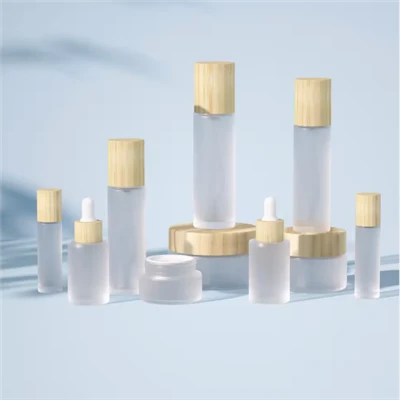
First, let’s start with the most basic shape people picture when they think of a makeup jar: the round cylinder. When I first launched my business, this is what I stocked 90% of at first. It’s simple, it’s predictable, and most importantly, it’s super affordable to manufacture and package. A round glass jar fits perfectly into standard shipping boxes, stacks neatly in a warehouse, and takes up just the right amount of vanity space—no awkward edges sticking out to knock over your lip gloss. I’ve worked with dozens of small startup brands that use cylinders for their first launch, especially for face creams, eye serums in cream form, or basic body butters. But here’s what I’ve noticed: round cylinders aren’t just basic. They have a timeless feel. Think of a luxury serum or a high-end face moisturizer—many use subtle cylinder shapes to signal reliability and classic elegance, which is exactly what a new brand wants when it’s trying to build trust with customers. That said, cylinders aren’t perfect for every use. The curved sides make it hard for brands to print custom labels that don’t warp or peel, which is why many brands that want bold, graphic logos will pick a different shape. Also, for people with arthritis or shaky hands, that smooth curved surface can be tricky to grip when the jar is wet or has a slippery moisturizer inside.
Which brings me to the second most popular shape in my inventory: the square or rectangular glass jar. I can’t tell you how many times a brand has told me they switched to square jars because “they don’t roll off the counter.” That’s the biggest win for this shape. Flat sides mean it stays put if you set it down on a marble vanity or a wet bathroom sink—no more knocking over your $50 night cream because it slipped off a round jar. Squares and rectangles also have way more surface area for labels, which is a huge draw for brands that want clear ingredient lists, bold branding, or even QR codes linking to skincare tutorials. I worked with a clean beauty brand last year that used a square 2oz glass jar for their collagen face mask; the flat front fit their minimalist, black-and-white label perfectly, and they told me customers specifically commented on how stable it felt on their shower shelf. One downside I’ve seen with square jars, though, is that they take up more space than round jars when stacked. If a brand is shipping 10,000 jars at a time, that extra space means more boxes, higher shipping costs, which is why many will balance that with round jars for lower-cost lines. There’s also a semi-square shape, by the way—sometimes called a rounded square—that softens the sharp edges of a full square, so it still stays put but feels a little more approachable than a hard corner. That’s been a big seller for baby skincare lines, since brands want something stable but not intimidating for new parents.
Next, let’s talk about a shape that’s blown up in the last three years: the hexagonal or octagonal glass jar. I first got a request for a hexagonal jar from a niche essential oil brand that wanted a unique look for their solid lotion bars, and now it’s one of my top-selling specialty shapes. These multi-sided jars stand out so much on a store shelf or a website product grid—when everything is either round or square, a six-sided jar immediately catches your eye. For small brands that don’t have huge marketing budgets, that visual difference is gold. I’ve also heard from customers that these multi-sided jars are easier to grip than plain cylinders; the flat, angled sides give your fingers something to hold onto, even when the jar is wet. Hexagonal jars have another fun use case: some brands use them to signal sustainability, because the shape uses less glass than a square jar of the same volume. Wait, that’s a point I should clarify—if you have a 1oz jar of volume, a hexagonal jar uses slightly less glass to make than a square or even a round jar, because the angles minimize the amount of extra material in the corners. That’s a big win for eco-focused brands that want to reduce their carbon footprint without sacrificing shape. I’ve also seen octagonal jars used for face scrubs, because the wider base of an octagon keeps the jar stable while you’re scooping out a grainy product without spilling.
Now for a shape that’s super popular for travel-sized or sample-sized jars: the compact or disc-shaped glass jar. These are thin, flat, almost like a small CD in shape, and they’re perfect for things like lip balm tins (though I make them in glass, not tin), solid perfume balms, or under-eye patches. I used to think these were just for small products, but last year a big beauty brand approached me about a 1oz disc-shaped jar for their tinted face moisturizer, because it fit perfectly in a small clutch. The flat, slim profile is great for people who want to carry their makeup or skincare in a tiny bag without taking up space. One thing I love about disc jars is how easy they are to label—you can print a full label around the entire edge, or a small label on the flat top, which makes them great for brands that want minimal, sleek packaging. The only thing to watch with disc jars is that they don’t hold a lot of product, so they’re mostly for leave-on balms, perfumes, or small treatments, not full-sized moisturizers.
I’d be remiss if I didn’t mention two more specialized shapes that I see more and more of: the dome-shaped jar and the apothecary-style jar. Dome-shaped jars are rounded on top, with a narrower base than the body—they look a little like a tiny glass bowl. I’ve worked with a few luxury skincare brands that use domes for their night creams, because the rounded top feels like a little treat when you open it, like you’re getting a special product rather than just another jar. It’s a small detail, but customers notice when a product feels special. Then there are apothecary-style jars, which are wider, shorter, often with a slightly flared rim, and sometimes labeled with handwritten-style text. These are perfect for bath salts, body scrubs, or even small candles (though I mostly make them for beauty, obviously). Apothecary jars have that nostalgic, old-world feel that’s huge in the clean beauty space, and many brands love how they look on open shelving in a bathroom rather than just inside a drawer.
Over the years, I’ve also learned that the shape of a glass makeup jar is tied so closely to the type of product inside, and the brand’s target customer. For example, a brand selling affordable, everyday face lotion is probably going to go with a round cylinder, because it’s cost-effective and easy to use. A brand selling a high-end solid perfume is likely to pick a disc or a hexagonal jar, because it feels luxurious and unique. A brand selling a baby face balm is going to lean toward a rounded square, because it’s stable and not sharp. What’s interesting is that even as glass jars get more specialized, the core job never changes: they have to keep the product safe, easy to use, and appealing enough that customers want to pick it up and buy it. I’ve had brands come to me thinking they just need “a jar that holds our product,” and after talking through their goals—are they selling online or in stores? Are they eco-focused? Do they want a label that stands out?—they end up picking a shape they never even considered at first.
I’ll be honest, there was a time when I thought the glass makeup jar industry was pretty limited, but being a supplier for five years has opened my eyes to how much variety there is. Each shape solves a different problem, whether it’s stability on a vanity, shelf visibility, ease of grip, or even material use. And as more brands prioritize both sustainability and unique packaging, I’ve noticed we’re even seeing hybrid shapes—round jars with a flat base so they don’t roll, square jars with rounded edges for a softer feel, hexagonal jars with a slim profile for travel. It’s exciting to be part of an industry that’s always evolving, and to help brands find the perfect jar shape that tells their product’s story.

If you’re a beauty brand, indie maker, or even a retailer looking for glass makeup jars and want to talk through what shape would work best for your product, I’m here to help. Every brand is different, and I take the time to walk through your needs, budget, and customer goals to find the right fit, no matter how big or small your order is. Just reach out to discuss your requirements.
Eco Friendly Skincare Packaging References:
- Personal industry observations from 5 years as a glass makeup jars supplier
- Cosmetic Packaging Association, 2023, Global Beauty Packaging Trend Report
- Sustainable Packaging Coalition, 2022, Glass Packaging Best Practices for Beauty Brands
- Consumer Packaging and Labeling Association, 2021, Customer Preferences for Vanity-Friendly Packaging
Shanghai Medellin Technology Co., Ltd.
As one of the most professional glass makeup jars manufacturers and suppliers in China, we serve over 200 renowned cosmetic companies in Italy and France. Please rest assured to wholesale bulk high quality glass makeup jars from our factory. Also, custom service is available.
Address: No. 298, Lianrong Building, Linping District, Hangzhou, Zhejiang, China
E-mail: sales@toppackaging.cn
WebSite: https://www.medellin-cn.com/
