Hey everyone, if you’ve ever driven over a long bridge at night, you’ve probably noticed two things that keep you safe and grounded: the concrete or metal rails along the edges and those soft, glowing lights lining the road. As someone who runs a bridge guardrail supply business, I get asked all the time if these two things work together, or if they’re just separate safety features that happen to show up in the same place. Today, I want to break down how bridge guardrails and lighting systems actually interact—no fancy engineering jargon, just real-world stuff I’ve learned from working on dozens of projects across the country. Bridge Guardrails
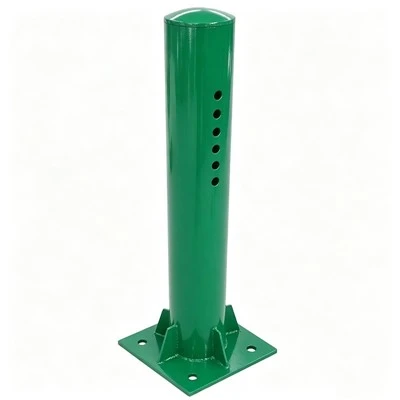
First off, let’s stop acting like bridge lighting is just for making the pretty. Sure, it helps drivers see the road, but it does way more when it’s paired with guardrails. Let’s start with the basics: guardrails’ main job is to stop a car from going over the edge if someone drifts or loses control, right? But if you’ve ever been on a poorly lit bridge at night, you’ll notice how hard it is to tell exactly where the guardrail starts and ends. Like, that dark line at the edge—Is that the rail? Is it just the drop-off? That’s where lighting comes in as the guardrail’s sidekick, not just a separate system.
Wait, let’s talk about glare first, because that’s a big one. I’ve seen too many projects where the lighting was installed way too bright, and it would reflect off the guardrail’s metal surface straight back into the driver’s eyes. Suddenly, instead of helping, the light was blinding them—making it way easier to drift toward the edge. And here’s the thing: not all guardrails are the same. Some are steel beam rails that have a super shiny finish, some are concrete rails that are matte, and some are the newer W-beam ones that are shaped a certain way. If you match the lighting to the wrong guardrail, that glare problem gets way worse. Like, on a steel guardrail, you don’t want high-intensity LED lights pointed directly at the rail—they’ll bounce right back. But on a matte concrete rail, a little more light on the rail works because it doesn’t glare as much, and it actually makes the rail visible without being annoying.
I remember a job a couple years ago in a small city where they put up new steel W-beam guardrails and then the city hired another company to put up LED bridge lighting. The first week, there were three fender benders where drivers said they couldn’t see the rail because the lights were reflecting off it. I got a call to come in and tweak how the rails were set up—we tilted the top beam of the guardrail just 15 degrees, and angled the light fixtures a little higher. Suddenly, no more glare, and every driver could see the edge of the bridge clearly. That’s the kind of small interaction most people don’t think about, but it makes a huge difference.
Next up, visibility of the guardrail itself, especially in bad weather. Bridges get hit with wind, rain, snow, and even fog way more than regular roads, right? So if your guardrail is just there, dull and covered in mist, it’s basically invisible. Lighting doesn’t just light the road—it illuminates the guardrail, so drivers can make out that solid barrier even when it’s raining so hard you can barely see 10 feet ahead. I worked on a mountain bridge last winter where we paired our galvanized steel guardrails with low-profile solar lights mounted on top of each rail post. The snow that fell on the rail was lit up by the solar lights, so drivers could see the white line of the rail against the gray fog even at 2 a.m. when visibility was down to 50 feet. Without that light, half the drivers would’ve sailed right past the rail and into the drop.
Wait, there’s also the safety for other people on the bridge, not just drivers. Like pedestrians and bikers—most modern bridges have sidepaths or sidewalks, right? Guardrails there have to keep bikes and walkers from going over, and lighting that’s matched to the rail makes the whole sidewalk safe too. A lot of old bridges had guardrails that were just tall enough for cars, but not for pedestrians. When we do retrofits, we sometimes adjust the guardrail height a little and add small, warm-toned lights on the inside of the rail—so it lights up the sidewalk without blinding anyone, and you can clearly see where the rail is, so a kid on a bike doesn’t run into it at night. That’s another interaction: the light isn’t just for the road, it’s for making the guardrail’s presence known to everyone using the bridge.
Let’s talk about durability too, because this is something my team cares about a lot, since we supply guardrails that have to last 50 years or more. Lighting systems, especially the ones that are mounted to the bridge structure, can cause wear and tear on the guardrail if they’re installed wrong, and vice versa. Wait, no—actually, it’s more about how they work together to extend each other’s lifespan? Wait, no, let me get that right. I’ve seen cases where a bad lighting installation leads to the guardrail corroding faster. How? If light fixtures are mounted too close to steel guardrails, the wiring can leak a little water over time, or the fixture’s base can trap moisture against the steel, causing rust spots. We had a project a while ago where a lighting company mounted their fixtures directly to the guardrail’s beam, no rubber gasket between the fixture and the steel. Within two years, we started seeing rust along the rail where the fixture was attached, and we had to replace those sections. Now, when we work on projects, we make sure to coordinate with the lighting team—we tell them where our guardrail posts are, how much space is between the rail and the light, and we supply custom gaskets so they can mount the fixtures without damaging the rail’s finish. That’s a huge part of the interaction: not just performance, but long-term maintenance.
Also, there’s regulatory stuff, right? I’m not a civil engineer, but I’ve worked with enough DOT projects to know that there are guidelines for both guardrails and lighting, and they’re starting to cross over more. The Federal Highway Administration (FHWA) has rules that say bridge lighting has to not only improve road visibility but also enhance the visibility of roadside safety features like guardrails. A lot of states now require that when you install new guardrails, you have to adjust or add lighting to match, because if the rail isn’t visible, it’s not a safety feature—it’s just a piece of metal (or concrete) sticking out. I’ve had cities come to us wanting to replace old concrete guardrails, and their first question after “how much does this cost?” is “what lighting changes do we need to make?” That’s a sign that the industry is finally seeing these two systems as a team, not separate.
Wait, let’s get into some real-world examples that aren’t just big highway bridges. A couple months back, we worked on a small pedestrian bridge in a park near a city. The original guardrail was a boring chain-link fence that was rusted, and the lighting was just a couple of old floodlights at either end. At night, people walking their dogs would trip over the uneven edge of the bridge, and bikers would run into the rail because you couldn’t see it. We replaced the chain link with our custom decorative steel guardrails (they look nice, not just industrial) and installed low, warm LED lights along the top of the rail, recessed so they don’t glare. Now, at night, the rail glows softly, so you can see the entire edge of the bridge, the lights light up the path perfectly, and no one has tripped or run into the rail since we finished. That’s a small, everyday example of how these two systems work together to make a space safer, not just highways.
I think a lot of people overlook how lighting can affect the performance of the guardrail in a crash. Wait, is that a thing? Let’s think: if a guardrail is visible, a driver is less likely to hit it in the first place, right? That’s obvious, but when a crash does happen, does the lighting change how the guardrail works? I talked to an engineer last year at a safety conference, and he said that drivers who can see the guardrail ahead tend to slow down a little, even if they’re distracted. So crashes at the rail are less common, and when they do happen, drivers are going slower, so the guardrail does its job better. Also, if lighting is properly aligned, it illuminates the entire rail, so a driver doesn’t have to swerve suddenly to avoid it—they can slow down gradually, which means the impact is softer. That’s a big interaction I never thought about until I started going to these industry events: lighting doesn’t just prevent crashes, it makes the guardrail more effective when a crash does occur.
Now, let’s talk about common mistakes I see, because as someone who’s in the guardrail business, I’ve seen a lot of them. First, installing lighting that’s too bright or the wrong color temperature. Warm light (like 2700K or 3000K) is way better for bridges than cold, blueish light. Cold light tends to glare more on guardrails, and it’s harder on drivers’ eyes at night. I’ve had clients come to us after a bad lighting install, asking us to coat their guardrails in a matte finish to cut down on glare—something we offer now, actually, because it’s a common request. Second, not coordinating installation between the guardrail and lighting teams. Too often, the guardrail goes up first, then the lighting team comes in and drills holes in the wrong spots, or mounts fixtures where they’ll damage the rail’s galvanized (rust-resistant) coating. That leads to premature corrosion, which is a huge problem for long-term safety. Third, forgetting about maintenance. Lighting fixtures get dirty, bulbs burn out, and over time, the light gets dimmer, so the guardrail becomes invisible again. We now include a free maintenance guide with every guardrail we supply, that tells property owners how often to check the lighting paired with the rail—cleaning the rail’s surface, checking light fixtures for damage, making sure the angle is still right. That’s part of the interaction too; it’s not just installing them, it’s keeping them working together.
Wait, let’s wrap this up with why this matters to you, the driver or pedestrian, even if you don’t think about it. Next time you cross a bridge at night, take a second to look at the rail and the lights. If you can easily see where the rail starts and ends, if there’s no glare in your eyes, that’s a team of guardrails and lighting working together, not just two separate things. As someone who’s been in this business for 10 years, I’ve seen how small tweaks—tilting a rail, adjusting a light’s angle, coordinating installation—can save lives. That’s what drives me every day: knowing that the guardrails I supply, paired with good lighting, make bridges way safer for everyone.
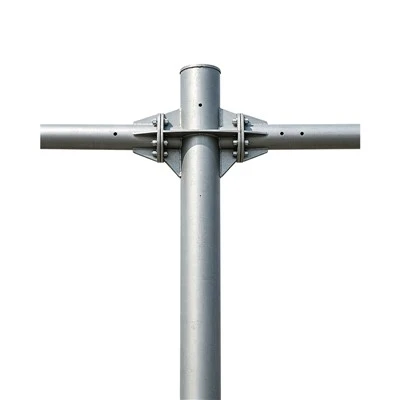
If you’re a city planner, DOT rep, or project manager working on a bridge retrofit or new build, and you want to talk about how guardrails and lighting work together for your specific project—whether it’s a highway bridge, a pedestrian bridge, or something in between—hit me up. I’ve worked on projects of all sizes, and I can help you figure out the right guardrail and lighting combo for your needs, without all the confusing jargon. Don’t hesitate to reach out to start the conversation.
Bridge Guardrails References
- Federal Highway Administration. (2020). Manual on Uniform Traffic Control Devices (MUTCD): Bridge Safety Features. U.S. Department of Transportation.
- American Association of State Highway and Transportation Officials. (2019). Roadside Design Guide, 5th Edition. AASHTO.
- National Cooperative Highway Research Program. (2021). Effects of Lighting on Roadside Safety Feature Visibility and Crash Risk. NCHRP Report 928.
- International Association of Bridge, Structural, Ornamental, and Reinforcing Iron Workers. (2022). Guide to Coordinating Guardrail and Lighting System Installations. IABSOIW.
- Transportation Research Board. (2020). Weather-Related Visibility Challenges for Bridge Safety Systems. TRB Special Report 328.
Guanxian Hongrong Traffic Facilities Co., Ltd.
As one of the most professional bridge guardrails manufacturers and suppliers in China, we also support customized service. Please feel free to wholesale bulk durable bridge guardrails in stock here from our factory. Welcome to contact us for quotation.
Address: South side of the road, 100 meters west of the intersection of Baiyang Road and Donghuan Road, Chongwen Subdistrict, Guan County, Liaocheng City, Shandong Province
E-mail: hongrongli568@163.com
WebSite: https://www.hongrongguardrail.com/
