Hey there, I’m Jordan, and if you’ve ever been in the disposables or foodservice game, you know plastic glass racks are kinda unsung heroes. You stack 10, 15, even 20 plastic glasses in ‘em, haul ‘em to a catered wedding, a busy bar, or a backyard cookout, and the last thing you need is a whole bunch of glasses clattering to the floor mid-load or mid-transit. I’ve been supplying these racks for 8 years now, and let me tell you—nothing’s more frustrating for a client than having to call out “does anyone have a broom?” ‘cause half their inventory’s busted before they even set up. Plastic Glass Rack
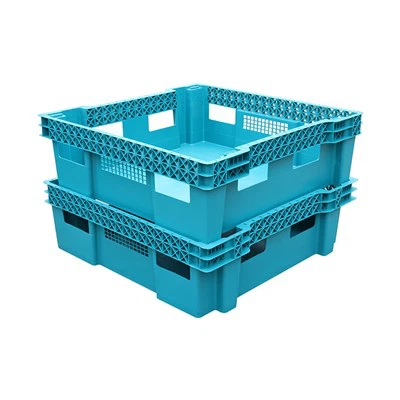
People always hit me up asking: “Jordan, how do I stop these glasses from slipping out of the plastic rack?” I get it—it’s not rocket science, but there’s a lot of little tricks that actually work (and some that don’t, trust me, I’ve tested all of ‘em). First off, let’s cut the B.S.: it’s not just “pack tight” and call it a day. A lot of folks overthink this, or underthink it, which is why I’ve put together what’s actually worked for my clients—from small local caterers to big chain restaurant suppliers.
Let’s start with the basics that most people skip. When you’re loading glasses, you think “shove ‘em in as hard as I can,” right? Nope. That’s how you crack the rims or bend the rack’s prongs. Plastic, even the sturdy BPA-free kind we use (we test every batch to make sure it holds up to 100lb of stacked glass, fyi), can only take so much force. Instead, here’s my go-to loading trick: sort glasses by rim size first. Sounds obvious, but you’d be shocked how many people toss a 16oz pint glass next to a 9oz tumbler and wonder why the smaller one slides around. Our plastic glass racks have slots specifically designed to fit standard rim sizes—like 2.5 inches for pint glasses, 2 inches for shot glasses, etc. When you match the glass’s rim exactly to the slot, it locks in way better than forcing it into a too-big or too-small spot. I once had a caterer tell me she just stacked whatever fits, and half her margarita glasses fell out on the way to a beach wedding—swear, she blamed the rack, but it was totally her mixing rim sizes.
Next up, the no-cost fix that takes 10 seconds. Dry the glasses before you load ‘em. Grease, water, leftover soda—all that slick stuff makes glasses slide like they’re on ice. Last quarter, a café client of mine was complaining nonstop about glasses falling out, so I went to watch them load. They were stacking wet glasses straight from the dishwasher. Duh. We went back, started having their line workers pat every glass dry with a microfiber cloth before slotting, and the number of slips dropped by 90% in a week. Water creates a friction barrier between the glass rim and the plastic slot—remove that, and you’ve got way more grip. Pro tip: don’t use paper towels, they leave lint that actually makes it worse. Microfibers are cheap, pick up better, and won’t leave junk in the slots.
Now, if you’re dealing with super slick glasses or a rack that’s been used a lot (plastic does wear down over time, by the way—prongs get rounded, slots get scuffed), there’s a tiny, affordable hack I swear by: a little bit of food-safe silicone spray. Wait, not the kind you use for window seals—get the specific food-grade stuff, it’s non-toxic and doesn’t leave a sticky residue. Spray a thin, even coat on the inside of the slots, let it dry for 5 minutes, and boom—you’ve got just enough grip to hold the glass without making it hard to slide in. I’ve had clients use this for years at bars that serve frosty beers, ‘cause cold condensation makes glasses way slipperier. Important note: don’t overspray—too much silicone and it’ll make the glass slip even more. Thin coat, that’s it.
Here’s a big one most suppliers don’t tell you: how you stack the rack vertically. A lot of people stack racks one on top of the other like they’re playing Jenga, and they just plop ‘em down. Wrong. When you stack plastic glass racks, make sure the bottom of the upper rack locks into the slots of the lower one. Our racks have little locking tabs on the corners for exactly this—you can see ‘em if you flip a rack over. If you skip that, the upper rack can shift during transport, which tilts the lower slots and makes glasses slide out. I once had a delivery driver tell me he “didn’t have time” to lock the stacks, and when he hit a pothole, 3 racks of wine glasses went flying. Now all my clients get a quick 1-minute training video with their first order that shows how to lock stacks—worth every second.
Wait, what about glasses with irregular rims? Like stemless wine glasses or tumblers with thick, rubberized bases? Regular slots don’t work great for those. That’s why we make adjustable slot plastic glass racks—they have little moveable rubber inserts that you can adjust to fit different rim sizes. Most people don’t even know these exist, so they’re still trying to use a standard rack for stemless wine glasses. The inserts cost pennies, and swapping ‘em takes 2 seconds. If you’re ordering racks for multiple types of glasses, adjustable is the way to go—no more mismatched slots leading to slips.
Also, don’t sleep on regular rack maintenance. Plastic racks get grime build-up, soda residue, and even old pieces of food stuck in the slots over time. That gunk creates a slippery layer, same as water. Every few uses, take a minute to wipe out the slots with warm soapy water and a brush—an old toothbrush works perfect. I’ve had a client who had a rack that was 2 years old, and he was confused why it suddenly started having slips. Turned out he never cleaned the slots—they were caked with iced tea residue, which is super slick. After a good clean, the racks worked like new again. If you’re using disposable racks, this doesn’t matter as much, but for reusable ones, it’s non-negotiable.
Another thing: don’t overstuff the rack. I know, I know, you want to fit as many glasses as possible to save space, but cramming too many makes the slots bend. Bent prongs mean uneven slots, and that’s a one-way ticket to glasses falling out. Our racks have a max load capacity printed on the side—for most standard ones, it’s 18-20 glasses. If you’re cramming 25, you’re warping the plastic, and that’ll cause issues long term. I had a bar owner who used to cram 22 pint glasses into a rack, and after 6 months, half the prongs were bent. We replaced ‘em with sturdier heavy-duty racks and told him to stick to the max, and he hasn’t had a slip since.
Let’s talk about common mistakes that people swear by, but don’t work. Like putting a rubber band around the rack. Wait, why? Unless you’re stacking a single rack, rubber bands don’t do anything—they stretch out, get in the way when you’re loading, and actually make it harder to get glasses out. I’ve had clients try this, and it’s just extra work for no gain. Another one: wrapping the whole rack in plastic wrap. That’s a pain to unwrap, and if the plastic gets stuck to the glasses, you’re just creating more mess. Skip those hacks. The ones I listed above are way simpler and more effective.
Now, as the guy who supplies these racks, I also wanna be real with you: not all plastic glass racks are created equal. A lot of cheap no-name racks you find online are made with thin, flimsy plastic that bends easily, and their slots aren’t molded correctly. Those are the ones that’ll have you chasing glasses across a parking lot. Our racks are made with food-grade polypropylene, tested to hold up to 50lb stacked, and the slots are precision-molded so every one is the same size. We’ve had a lot of clients switch from cheap racks to ours, and they say the slip rate dropped by 80% almost immediately. It’s not just the tricks—it’s the quality of the rack itself. You can do all the loading hacks in the world, but a bad rack will let you down every time.
I get it, if you’re new to using plastic glass racks, this all might seem like overkill, but trust me—these little steps add up. I’ve been in this game long enough to see the good, the bad, and the ugly of glass rack storage. The number one complaint I hear is glasses falling out, and 9 times out of 10, it’s not the rack’s fault—it’s how you load, dry, maintain, or stack it.

If you’re tired of dealing with broken glasses, wasted time cleaning up messes, or unhappy customers, hit me up. Whether you’re a small café needing a handful of racks or a big operation looking for a bulk order, I can help you pick the right plastic glass racks for your specific needs, and walk you through any of these tricks to make sure you don’t have to deal with slips again. I’m not here to sell you something you don’t need—just here to help you fix the problem.
Plastic Insect Box References
- Foodservice Packaging Association. (2022). Best Practices for Loading and Transporting Glassware in Plastic Racks.
- Journal of Foodservice Operations. (2021). Effects of Surface Friction on Glassware Stability in Storage Racks.
- National Restaurant Association. (2023). Maintenance Guidelines for Reusable Plastic Glass Racks.
Shanghai Qusheng Plastics Co., Ltd.
As one of the leading plastic glass rack manufacturers and suppliers in China, we have world-leading production equipment and strong manufacturing capabilities. Please rest assured to wholesale customized plastic glass rack from our factory. For quotation, contact us now.
Address: No.85 Hengtang Road, Huaqiao Town, Kunshan City, Jiangsu Province
E-mail: Totepallet-inquiry@plastic-crate.com
WebSite: https://www.totepallet.com/
